





For busy professionals, the goal of staying fit can feel like another demanding project. Long hours and mental fatigue make gym trips seem impossible. But what if building strength didn't require a commute, a membership, or a huge time commitment?
More Than Just Muscle
When
you spend your day navigating deadlines and meetings, physical activity often falls to the bottom of the list. Yet, the benefits of strength training are perfectly suited for the challenges of a demanding career. Regular sessions, even short ones, can significantly reduce stress and improve mental clarity. Think of it as a reset button; the physical exertion helps release endorphins, the body's natural mood-lifters, leaving you more focused and resilient. Furthermore, building strength combats the negative effects of sitting all day, like poor posture and back stiffness. It boosts your metabolism and improves energy levels, helping you fight off that afternoon slump and stay productive.
Your No-Equipment Starting Lineup
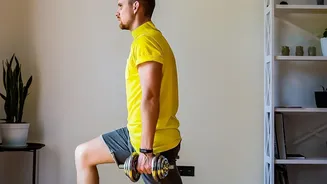
The beauty of a home strength routine is its simplicity. You don't need expensive equipment, just your own body weight and a small amount of space. These foundational movements target major muscle groups for a highly efficient workout. Squats: This fundamental exercise strengthens your entire lower body—quads, hamstrings, and glutes. It mimics everyday movements like sitting and standing, making it incredibly functional. Push-Ups: The ultimate upper-body exercise, push-ups work your chest, shoulders, and triceps. If a full push-up is too challenging, start with your knees on the floor or by pushing off a wall or elevated surface. Plank: A powerful move for building core stability, the plank engages the muscles in your abdomen and lower back, which are crucial for good posture. Lunges: Lunges are excellent for targeting your legs and glutes individually, which helps improve balance and stability. * Glute Bridges: This is a fantastic exercise for activating your glutes and hamstrings, helping to counteract the effects of prolonged sitting.
The 20-Minute Power Circuit
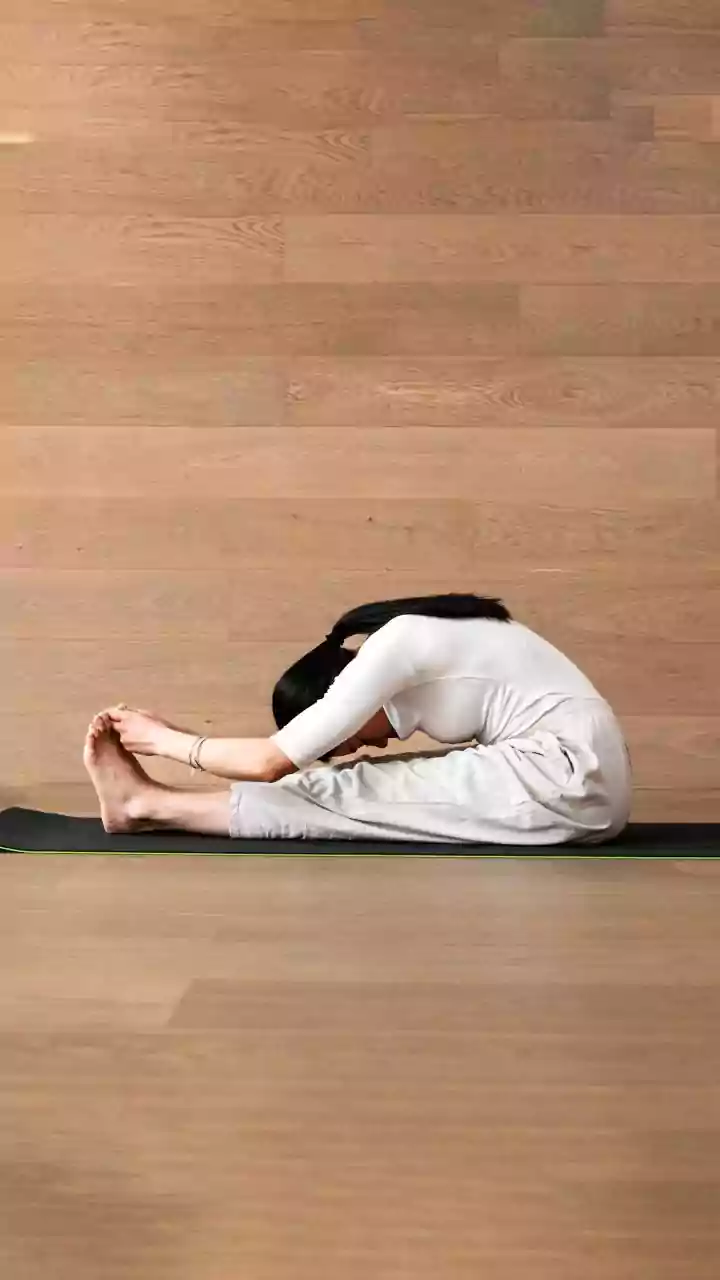
Forget the idea that a workout needs to last an hour to be effective. A 20-minute circuit can deliver significant benefits, especially when you're starting out. The goal is to move from one exercise to the next with minimal rest, keeping your heart rate up while working your muscles. Here's a simple and effective structure to begin with: 1. Warm-Up (2 minutes): Start with some light movement like marching in place, arm circles, and leg swings to prepare your body. 2. The Circuit (15 minutes): Perform each of the five exercises (Squats, Push-Ups, Plank, Lunges, Glute Bridges) for 45 seconds, followed by 15 seconds of rest. Complete three full rounds of this circuit. 3. Cool-Down (3 minutes): Finish with some gentle stretching, holding each stretch for 20–30 seconds. Focus on your chest, hamstrings, quads, and back. This entire routine takes just 20 minutes and can be done anywhere, making it a perfect fit for a busy schedule.
Making Consistency Your Superpower
The most effective workout plan is the one you actually stick with. For busy professionals, consistency trumps intensity every time. The key is to remove as much friction as possible. Schedule your workouts like you would a meeting—block out 20–30 minutes in your calendar and treat it as a non–negotiable appointment. Don't wait for motivation to strike; rely on the discipline of your schedule. It also helps to 'habit stack'—tack your workout onto an existing habit, like right after your morning coffee or as soon as you change out of your work clothes. Starting small with just two or three sessions a week can build the momentum you need to establish a lasting routine. Remember, the goal isn't perfection; it's about showing up consistently.