
A Sweet Steeped in Mythology
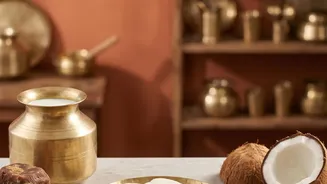
The story of Mathura Peda is deeply intertwined with the city's identity as the birthplace of Lord Krishna. The Braj region, encompassing Mathura and its surroundings, has always been cattle country, rich in milk and dairy products. This abundance naturally
found its way into local cuisine and religious practices. Krishna himself, often called 'Makhan Chor' or the butter thief, is central to countless stories involving milk and butter. This strong dairy tradition created the perfect environment for a milk-based sweet to become a culinary icon. While its exact origins are lost to time, folklore suggests sweets resembling peda have been part of the region for centuries, offered in temples and enjoyed by locals long before written records were kept.
From Sacred Offering to City Symbol
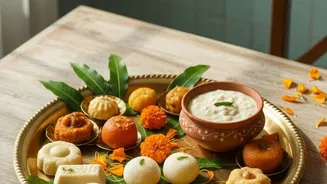
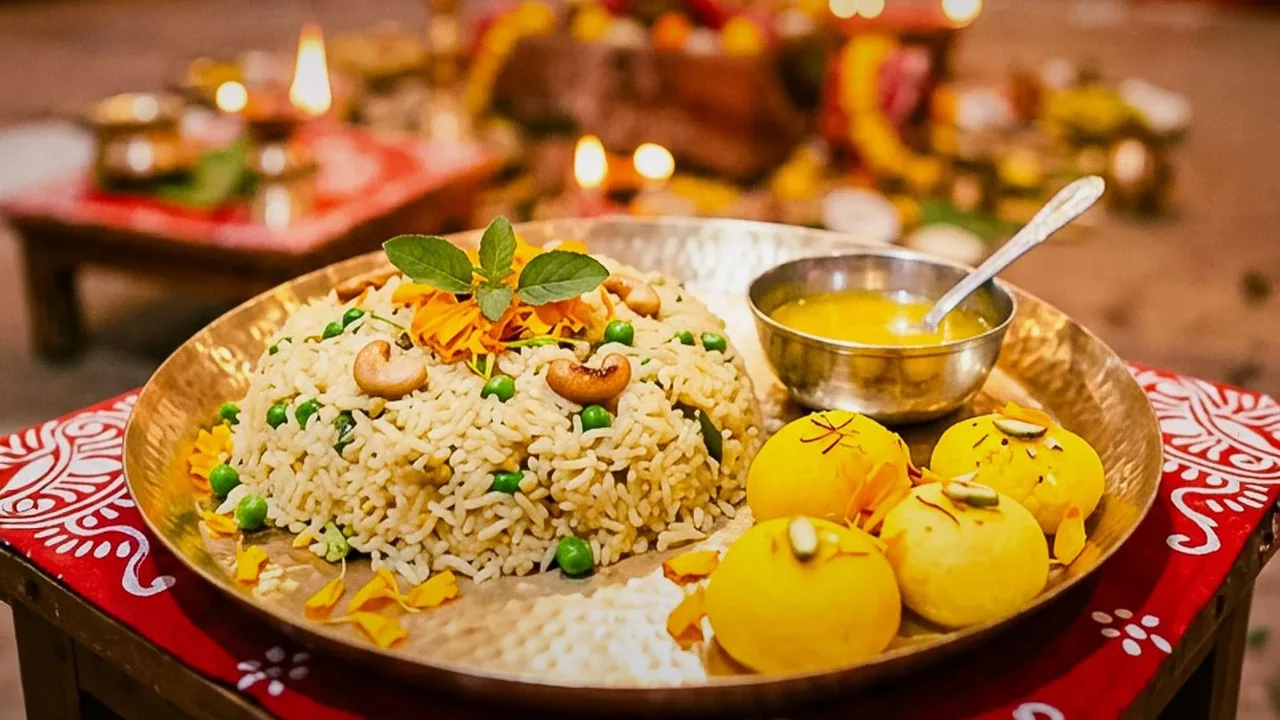
The peda’s most crucial role began as 'prasad'—a blessed offering to the deities in the temples of Mathura and Vrindavan. Devotees visiting the Krishna Janmabhoomi and other sacred sites would purchase these sweets as an offering, which would then be distributed among the faithful. This practice elevated the peda from a simple confection to an object of religious significance. Pilgrims would carry boxes of this blessed sweet back home, introducing it to family and friends across the country. This ritual helped transform the peda from a local specialty into a recognizable symbol of the entire Braj region, a sacred souvenir from the land of Krishna.
The Art of the Peda: More Than Just Milk and Sugar
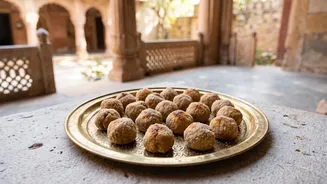
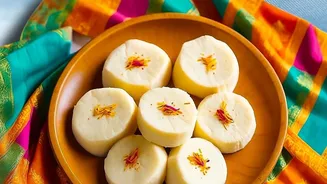
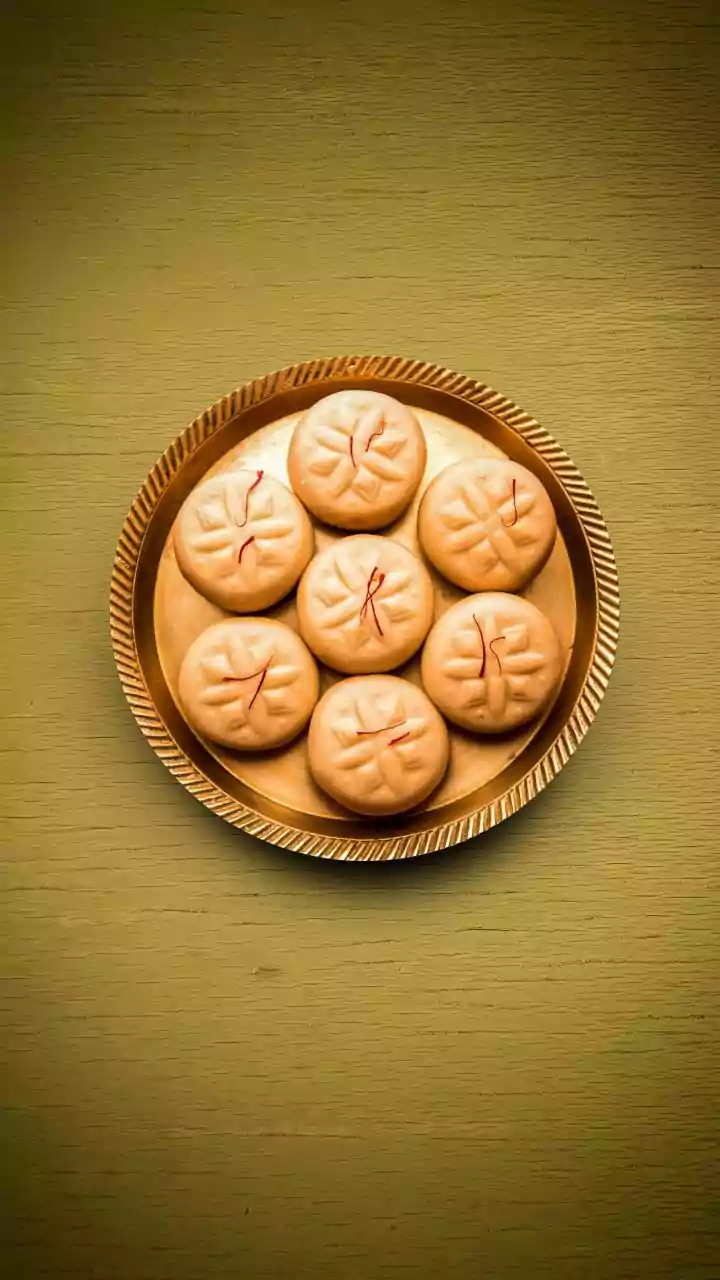
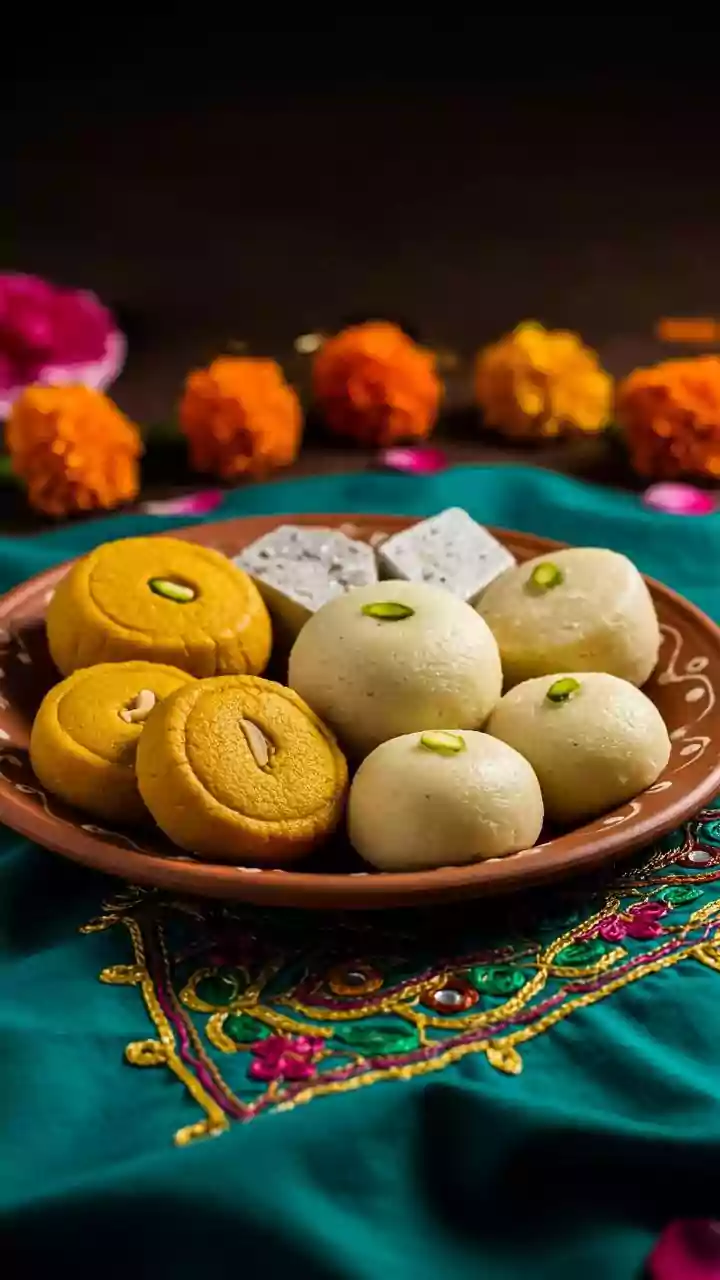
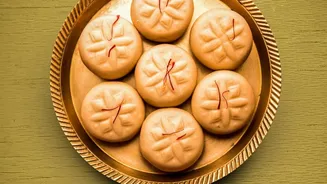
What distinguishes Mathura Peda from its many counterparts across India is not a secret list of ingredients, but the patient, traditional technique. The process begins with khoya, or mawa, which is milk that has been slowly simmered until the moisture evaporates and only the milk solids remain. For Mathura Peda, this khoya is then roasted over a low flame until the milk sugars caramelize, giving the sweet its signature tan or light brown colour and a rich, nutty aroma. This roasting process, known as 'bhuna', is key. The caramelized khoya is then mixed with a special type of powdered sugar called 'tagar' or 'boora', and often flavoured with a hint of cardamom. The result is a sweet with a unique, slightly grainy texture that melts in the mouth.
Preserving a Culinary Legacy
Today, the streets around Mathura's temples are lined with sweet shops, many run by families who have been making peda for generations. For these artisans, it is more than a business; it is a spiritual service and a continuation of a proud heritage. The term 'Mathura ka Peda' has become a brand in itself, a phrase that appears in folk songs and proverbs, signifying its deep cultural roots. To protect this legacy from adulteration and imitation, efforts have been underway to secure a Geographical Indication (GI) tag for the Mathura Peda. An application was filed in early 2024 by the Mithai Association Mathura. While the certification is still in process as of late 2026, its approval would provide legal protection and formally recognize the sweet's unique link to its place of origin, ensuring that the authentic taste of Mathura's heritage is preserved for generations to come.