

The Two Types of Dietary Iron
Iron is a vital mineral that our bodies use to create hemoglobin, a protein in red blood cells that carries oxygen from our lungs to the rest of our body. Without enough iron, you can feel tired and weak. Dietary iron comes in two forms: heme and non-heme.
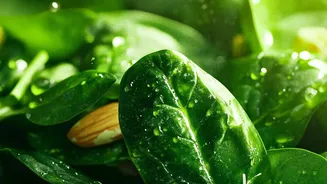
Heme iron is found in animal products like meat, poultry, and seafood. It is readily absorbed by the body, with absorption rates of about 15% to 35%. Non-heme iron, on the other hand, is found in plant-based foods like leafy greens, beans, lentils, and nuts. This type is less bioavailable, meaning our bodies find it harder to absorb, with absorption rates falling between 2% and 20%. For those following a vegetarian or vegan diet, getting enough usable iron requires a bit more planning.
Vitamin C: The Key to Unlocking Plant Iron
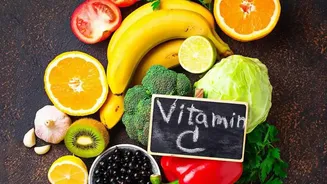
This is where vitamin C, also known as ascorbic acid, comes in as a nutritional hero. It is a powerful enhancer of non-heme iron absorption. The science is straightforward: most plant-based iron exists in a form called ferric iron (Fe3+). For our bodies to absorb it efficiently through the intestines, it needs to be converted into ferrous iron (Fe2+). Vitamin C is a potent agent in making this conversion happen. When you eat a vitamin C-rich food with an iron-rich plant food, the vitamin C forms a soluble compound with the iron, keeping it in a more absorbable state as it moves through your digestive system. Studies show this simple pairing can significantly increase the absorption of non-heme iron.
Perfect Pairings for Your Plate
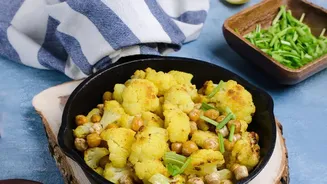
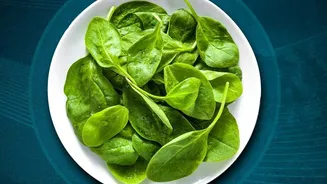
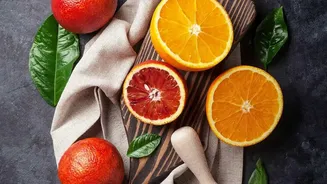
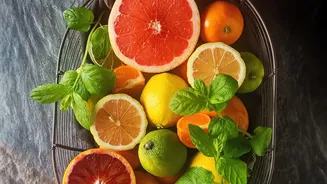
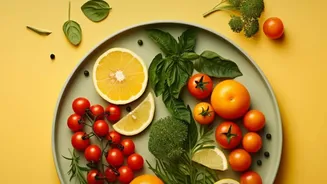
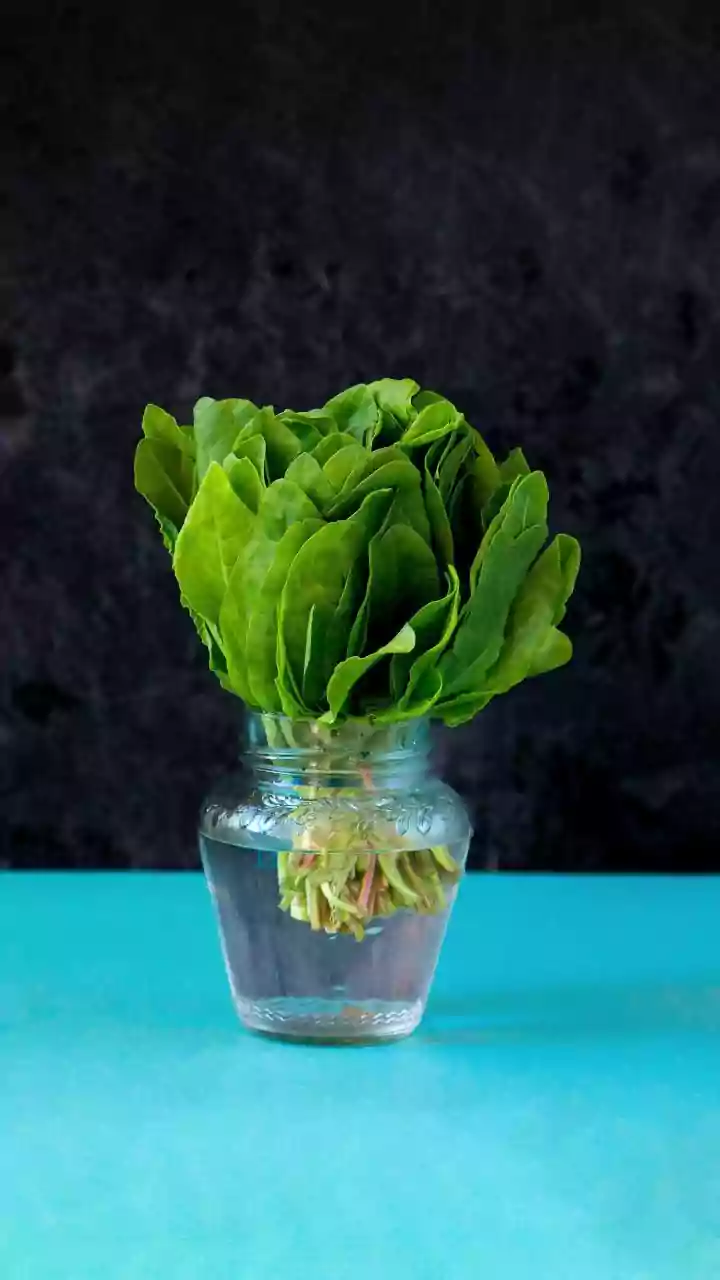
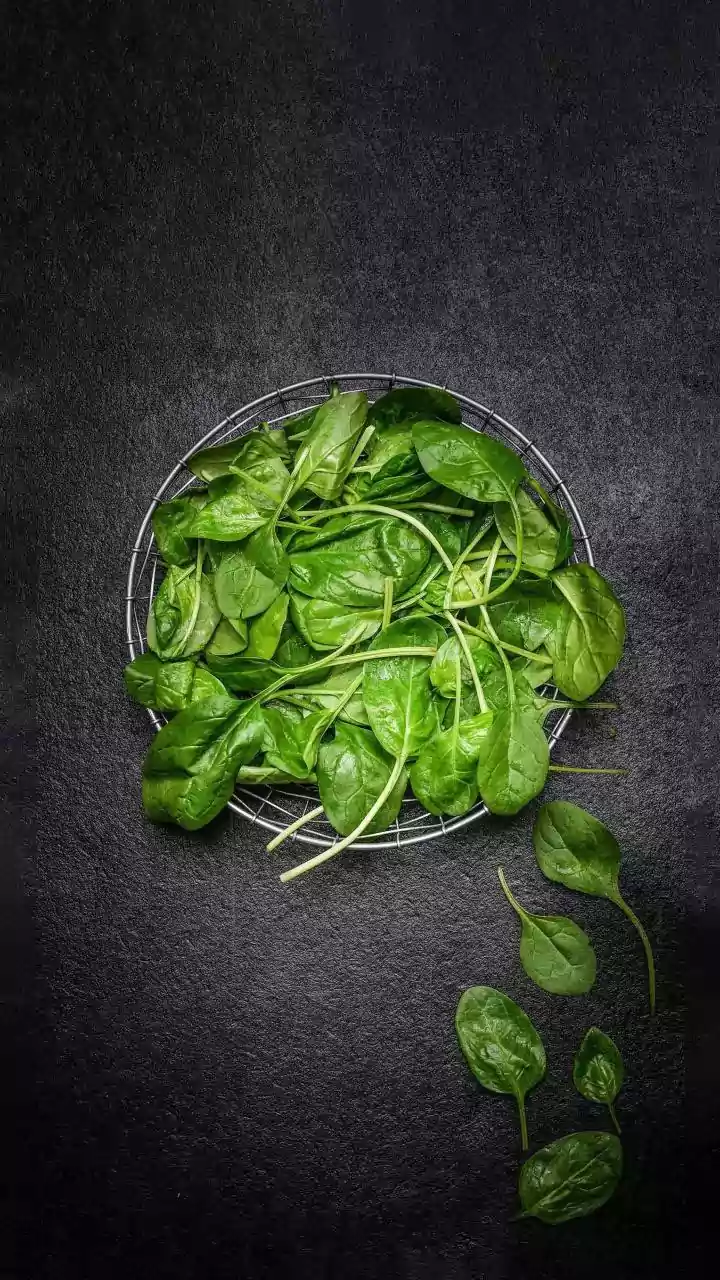
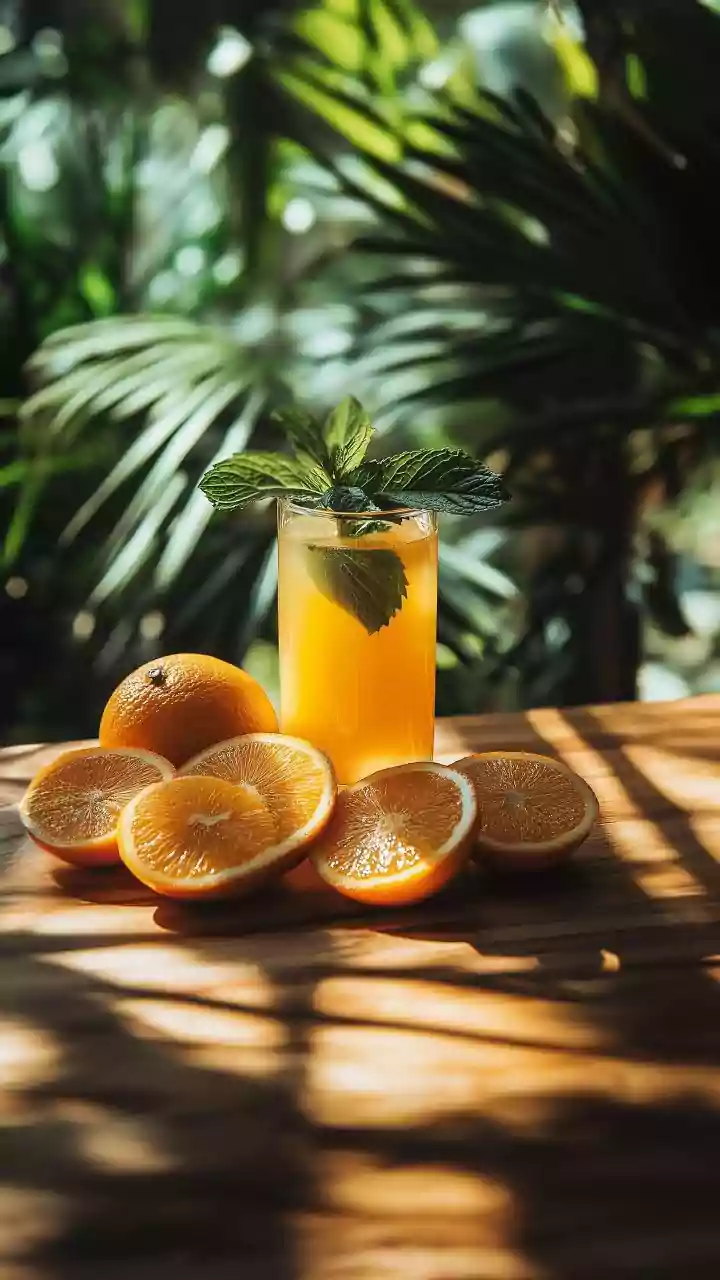
The headline highlights the classic combination of citrus fruits and leafy greens, and for good reason. A spinach salad with a lemon-based vinaigrette or orange segments is a perfect example. But the possibilities are endless. The goal is to combine a food high in non-heme iron with one high in vitamin C in the same meal. Think beyond the obvious: have a glass of orange juice with a bowl of fortified cereal. Bell peppers, which are packed with vitamin C, are excellent in a stir-fry with tofu or in a dal with lentils. Other great combinations include adding tomatoes to a bean curry, tossing strawberries into a bowl of oatmeal, or serving broccoli and Brussels sprouts alongside a serving of quinoa.
Watch Out for Iron Inhibitors
Just as vitamin C boosts iron absorption, other compounds can block it. These are known as inhibitors. Phytates, which are found in whole grains, beans, nuts, and soy, can significantly reduce the absorption of non-heme iron. Another major group of inhibitors are polyphenols and tannins, found in tea and coffee. Consuming a cup of tea or coffee with your meal can decrease iron absorption by as much as 60-90%. Calcium also competes with iron for absorption. This doesn't mean you should avoid these foods, but rather be strategic. Try to drink your coffee or tea at least an hour or two before or after your iron-rich meals. Soaking beans and legumes before cooking can also help reduce their phytate content.