








The Ayurvedic View: A Dampened Digestive Fire
According to Ayurveda, the ancient Indian system of wellness, the monsoon season, or 'Varsha Ritu', is a time when our digestive fire, known as 'Agni', naturally weakens. The cool, damp, and heavy qualities of the atmosphere are believed to suppress this
internal fire, leading to slower digestion, bloating, and a feeling of sluggishness. This state is called 'Manda Agni', or dull fire. In this view, consuming cold, raw foods like salads can further dampen this already weak digestive fire, making it harder for the body to process food and potentially leading to the accumulation of undigested toxins, or 'ama'. The focus during this season is to consume foods that are easy to digest and help rekindle Agni.
The Modern Science: Humidity and Contamination
Modern science offers complementary explanations. High humidity forces the body to work harder to regulate its temperature, which can divert energy and blood flow away from the digestive organs. This can lead to a slower metabolism and feelings of fatigue and bloating. Furthermore, the monsoon's high moisture levels create an ideal breeding ground for bacteria, viruses, and fungi. Raw vegetables and salads, especially leafy greens, carry a much higher risk of contamination from pathogens like E. coli and Salmonella, which thrive in these conditions. Cooking food effectively kills these harmful microorganisms, making it a safer option from a food safety standpoint. Cases of food poisoning and waterborne diseases like gastroenteritis and typhoid invariably spike during the rainy season.
Why Warm Food Feels Right
There is a physiological and psychological basis for our craving for warmth. Warm, cooked food is easier for the body to digest because the cooking process has already started to break down complex molecules, making nutrients more available for absorption. This means your digestive system doesn't have to work as hard, which is a significant advantage when it's already feeling sluggish due to humidity. Warm soups and broths are particularly beneficial; they are hydrating, easy to digest, and the steam can help clear nasal passages. Moreover, warm food has a comforting effect, potentially boosting mood by releasing feel-good chemicals in the brain, a welcome effect during gloomy, overcast days.
So, What’s on the Monsoon Menu?
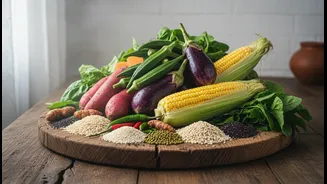
This doesn't mean you need to abandon vegetables entirely. The key is to choose wisely and cook them. Opt for light, easily digestible meals. Think warm soups, steamed vegetables, and well-cooked dals and grains. Khichdi, a one-pot dish of rice and lentils, is considered an ideal monsoon food in both Ayurveda and modern nutrition because it's gentle on the stomach and provides balanced nourishment. Incorporating digestive spices like ginger, turmeric, cumin, and black pepper can also be beneficial, as they are believed to support Agni and have antimicrobial properties. Vegetables that grow above ground, such as bottle gourd (lauki) and ridge gourd (turai), are often recommended as they are less likely to be contaminated by soil-borne pathogens.