
The Magic of the Post-Monsoon Season
For years, Sohra was famous for being one of the wettest places on Earth. While the monsoon (June to September) brings dramatic, thundering waterfalls, it can also mean dense fog and challenging travel. The post-monsoon period, from October to November,
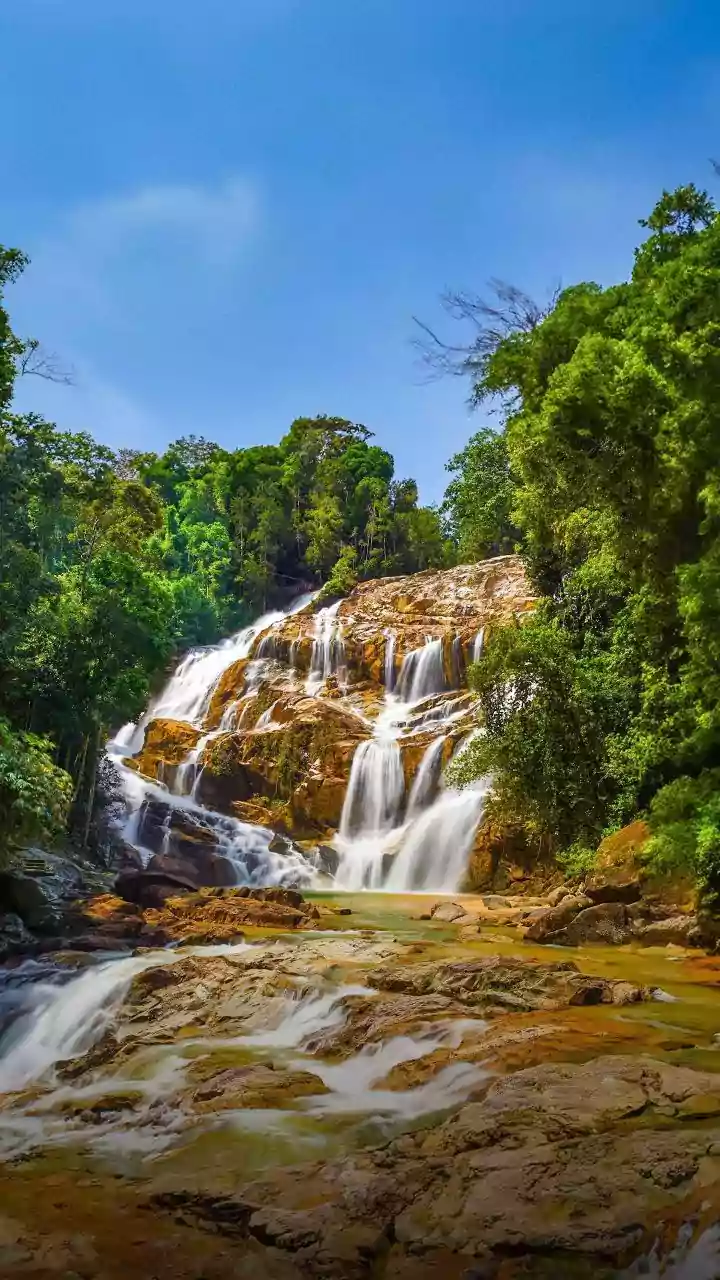
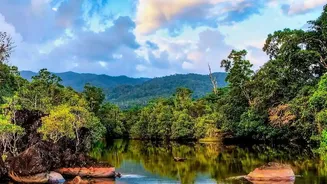
offers the best of both worlds. The landscape is intensely green and rejuvenated, the waterfalls are still full and spectacular, and the weather is pleasant with clearer skies. This makes it the ideal season for sightseeing and trekking, allowing you to experience the region's natural beauty comfortably and safely before the colder, drier winter months set in.
Chasing Sohra's Magnificent Waterfalls
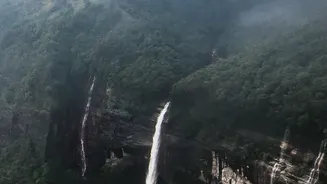
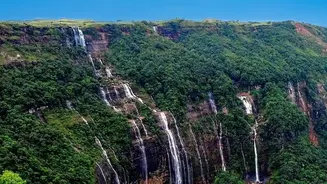
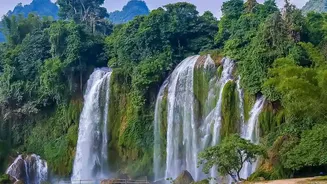
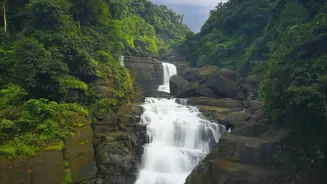
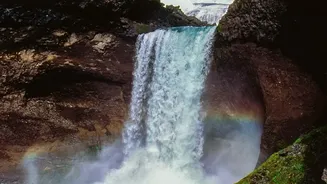
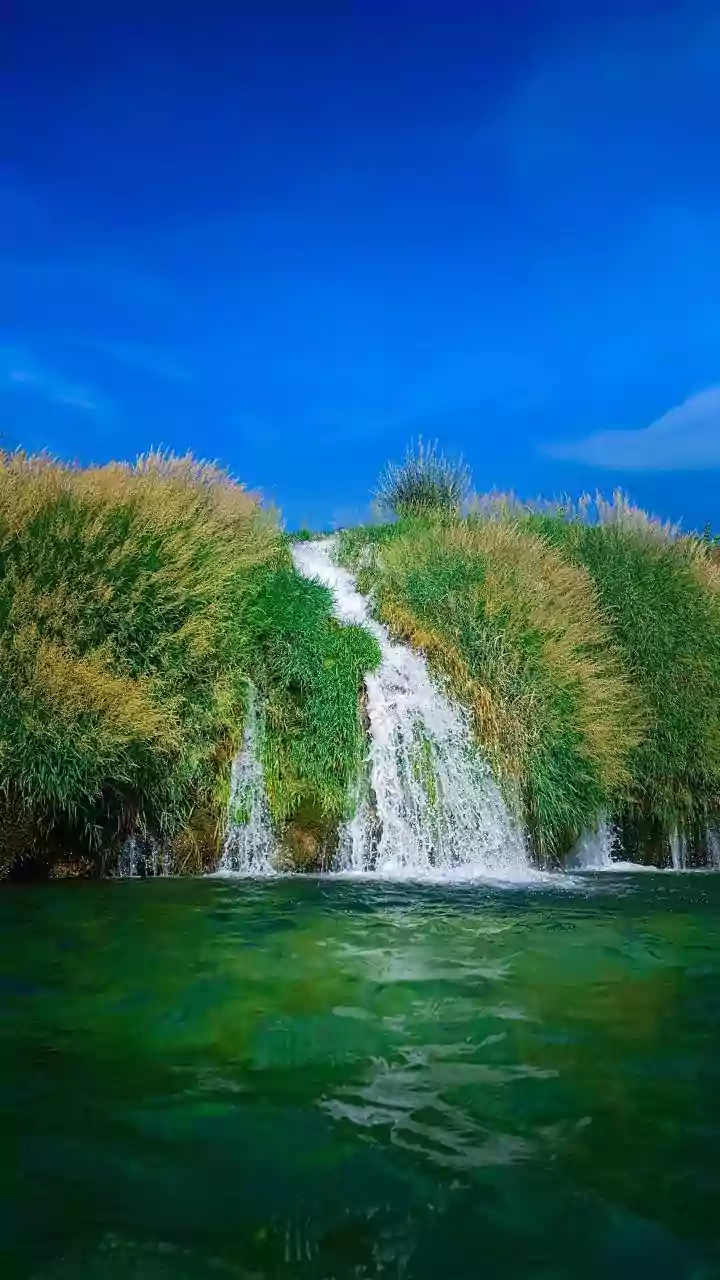
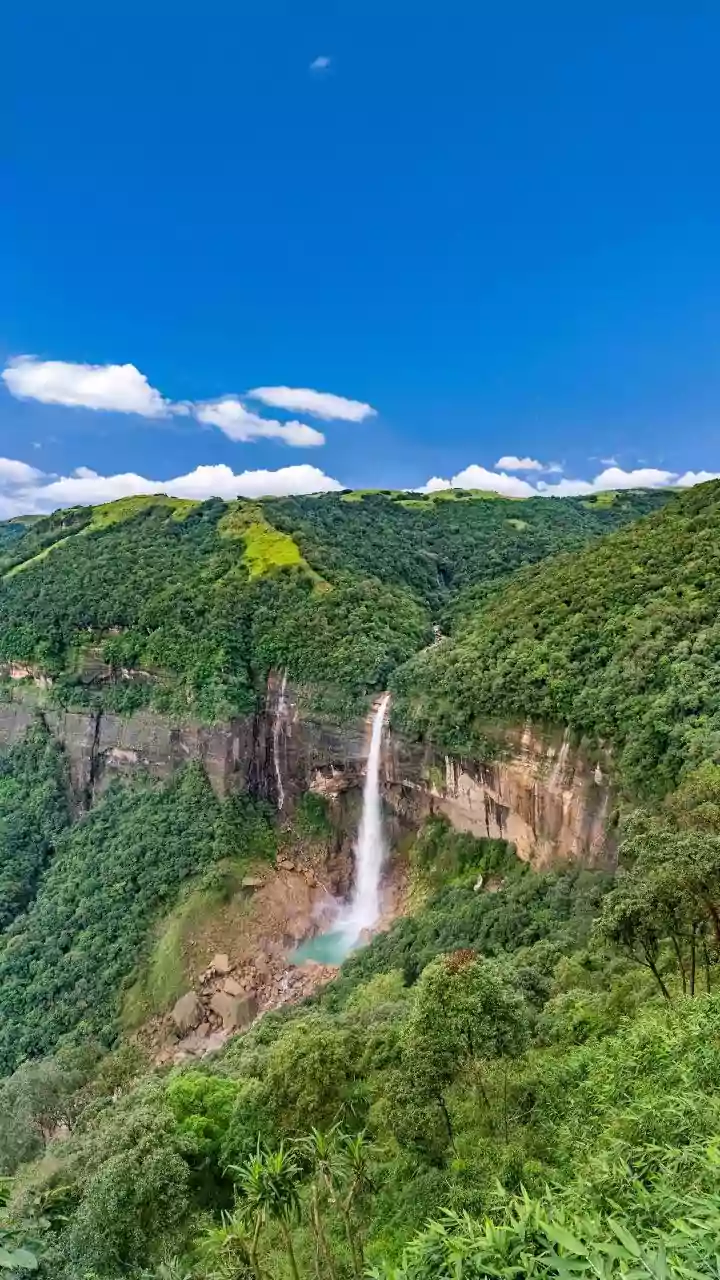
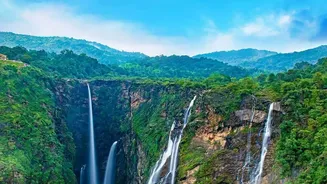
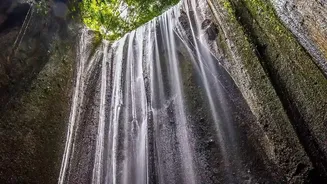
The hills around Sohra are dotted with some of India’s most breathtaking waterfalls, and they are at their most impressive just after the rains. A trip here is incomplete without visiting Nohkalikai Falls, India's tallest plunge waterfall, which drops dramatically for over 1,100 feet into a stunning turquoise pool. The name itself is tied to a tragic Khasi legend of a woman named Likai, adding a layer of poignant history to its natural grandeur. Another essential stop is the Seven Sisters Falls, or Nohsngithiang Falls, where seven streams cascade side-by-side down limestone cliffs—a truly majestic sight, especially when viewed in the soft afternoon light. For those seeking more, Dainthlen Falls offers not just beauty but also another local legend, set amidst a rugged, scenic landscape perfect for a short hike.
The Journey to the Living Root Bridges
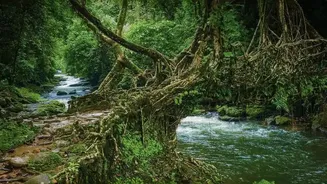
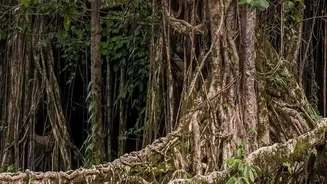
Perhaps Meghalaya's most iconic marvel is the network of living root bridges, a testament to ingenious bio-engineering by the Khasi people. These are not built but grown over decades by guiding the aerial roots of rubber fig trees across streams and rivers. The most famous of these is the Jingkieng Nongriat, better known as the Double Decker Living Root Bridge, located in the village of Nongriat. Reaching it requires a significant trek, involving a descent of approximately 3,500 steps from the starting point in Tyrna village. The trek itself is a rewarding journey through lush forests, past smaller villages, and across swaying suspension bridges. While challenging, the sight of the two-tiered bridge, a structure that can be over 500 years old and only grows stronger with time, is an unforgettable reward.
Beyond the Main Attractions
While waterfalls and root bridges are the main draws, Sohra offers more to explore. Delve into the subterranean world at Mawsmai Cave, a well-lit and accessible limestone cave system that showcases stunning stalactite and stalagmite formations. For panoramic views, head to the Eco Park, from where you can see the vast plains of Bangladesh on a clear day. Another popular viewpoint is the Mawkdok Dympep Valley, located on the scenic road from Shillong, which offers breathtaking gorge views and even a ziplining experience for thrill-seekers.
Your Sohra Travel Planner
Planning your trip to Sohra is straightforward. The nearest major airport and railway station are in Guwahati, Assam (around 150 km away), from where you can hire a taxi for the 4-5 hour drive. The closest airport is in Shillong (Umroi), about 80 km away. From Shillong, a beautiful 2-hour drive via National Highway 106 takes you to Sohra. You can hire a private taxi from Shillong's Police Bazar or take a shared Sumo from the Bara Bazar area. Accommodation in and around Sohra ranges from comfortable resorts and guesthouses to intimate homestays that offer a glimpse into local life. For the trek to the Double Decker bridge, it's best to start early in the morning and carry water and wear sturdy shoes.