



More Than Just Math
Anyone who has tried to shrink a recipe has faced the disappointment of a dish gone wrong. The core issue is that cooking dynamics don't scale down perfectly. Smaller quantities of food heat up and cook much faster because there is less mass to absorb
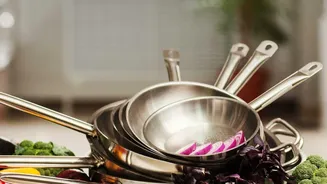
the heat. Simultaneously, a smaller volume often means a greater surface-area-to-volume ratio in the pan. This causes moisture to evaporate more quickly, which can lead to dry results in everything from stews to cakes. Simply put, a half-batch of stew in a large pot might reduce too quickly, leaving you with a thick, over-concentrated sauce. Understanding these physical changes is the first step to adapting a recipe successfully.
Rethinking Your Cooking Time
Since smaller dishes cook faster, you can't rely on the original recipe's timing. There is no single magic formula, but a good rule of thumb is to start checking for doneness much earlier. Some experts suggest setting your first timer for about half the original recommended time, while others recommend checking at the 75% mark. For a cake that normally bakes for 40 minutes, you should start checking it around the 25 or 30-minute mark. You can always add more time, but you can never un-bake something that's overdone. For dishes like cookies, which cook quickly anyway, check a minute or two earlier than usual. Your senses—sight, smell, and touch—are more reliable guides than the clock.
The Delicate Art of Seasoning
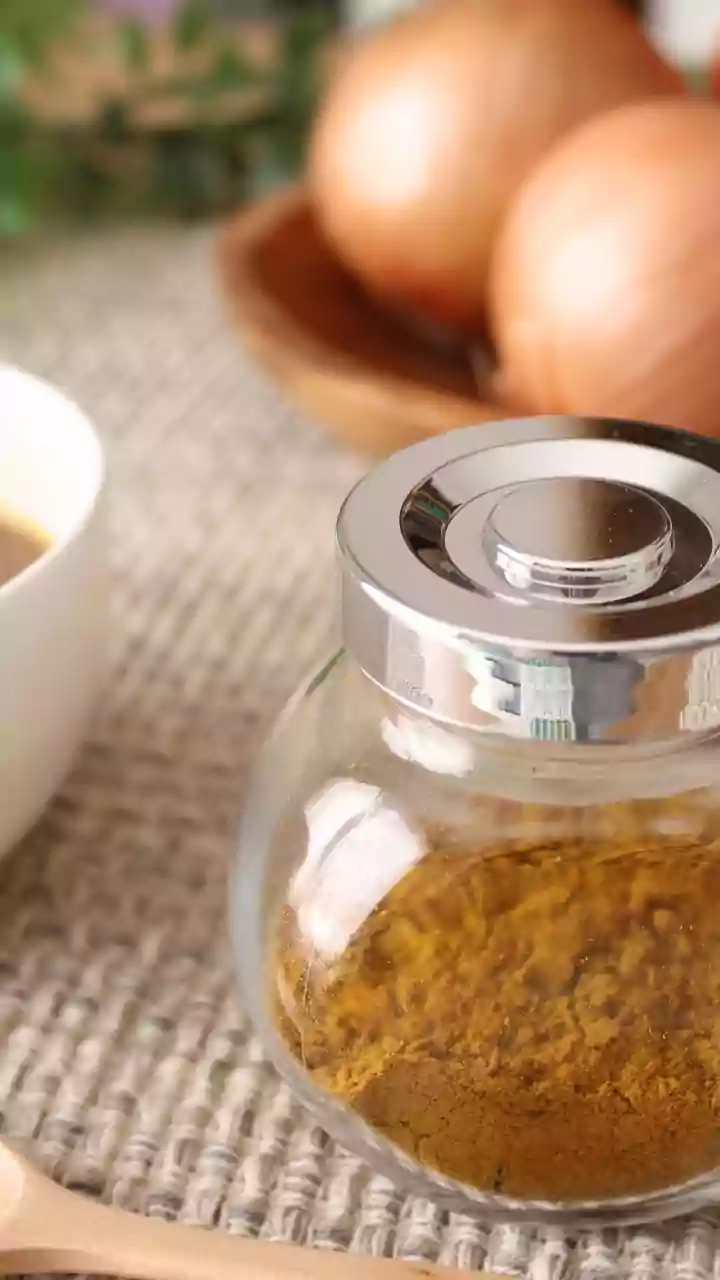
Spices and seasonings do not scale down in a linear fashion. This is the most common reason a scaled-down dish tastes 'off.' A halved recipe rarely needs exactly half the salt, chilli, or potent herbs. The flavour compounds in spices can become more concentrated in smaller volumes. The best approach is to start with less than half the specified amount of any seasoning, especially salt and strong spices like cayenne. You can—and should—taste the dish as it cooks and adjust incrementally. It’s always easier to add more salt or spice, but almost impossible to remove it once it's in the dish. For recipes you make often, consider making a full batch of a spice rub and using only what you need, saving the rest for next time.
Special Considerations for Baking
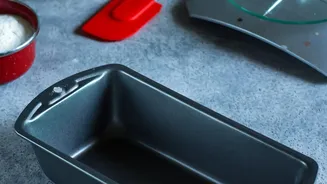
Baking is where scaling becomes particularly tricky because it relies on precise chemical reactions. Besides timing, pan size is a critical factor. Halving a cake recipe and baking it in the original pan will result in a thin, flat, and likely over-baked cake because the batter spreads out too much. You need to calculate the volume of your original pan and find a smaller one that holds about half that amount. For example, a recipe for a 9x9 inch pan (81 square inches) could be halved and baked in an 8.5x4.5 inch loaf pan (about 38 square inches). Leavening agents like baking powder and yeast also don't always scale perfectly, so it's wise to be precise with your measurements, ideally using a kitchen scale.
Trust Your Instincts
Ultimately, scaling down recipes successfully is about moving from simply following instructions to actively cooking. Using a kitchen scale for dry ingredients offers more accuracy than volume measures, which can be inconsistent. Write down your new measurements and timings so you can replicate your success next time. Most importantly, engage your senses. Pay attention to how the food looks and smells. Is the sauce thickening too fast? Add a splash of broth. Does the cake seem to be browning too quickly on top? Tent it with foil. Becoming a confident cook means learning to trust your judgment and adapt to what's happening in the pan, no matter the batch size.