







The New Non-Negotiable
For years, the golden rule of flight booking was simple: find the cheapest fare. Today, that logic is being rewritten. Experienced travellers are learning that a cheap ticket on an unreliable airline can become incredibly expensive. A single significant
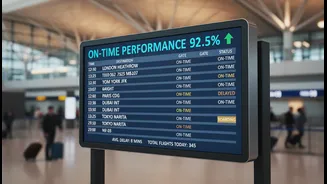
delay can trigger a cascade of costly consequences, from missed hotel check-ins and non-refundable tour bookings to lost business opportunities. This shift in mindset reflects a new travel reality where time is just as valuable as money. As travellers become more strategic, On-Time Performance (OTP) — the percentage of flights that depart or arrive within 15 minutes of their schedule — is evolving from a background statistic into a key decision-making tool.
Decoding the Delays
The frustration at the boarding gate is often the result of complex issues happening behind the scenes. In India, a combination of factors contributes to flight disruptions. Major airports in Delhi and Mumbai frequently face congestion and air traffic control restrictions, which can have a domino effect across the entire network. Seasonal challenges like monsoon rains can reduce an airline's OTP by 5-10 percentage points, while winter fog in North India can slash it even further. Beyond these external factors, airlines grapple with internal operational issues, including crew rostering, maintenance schedules, and the efficiency of their turnaround processes between flights.
How Indian Airlines Compare
Data from the Directorate General of Civil Aviation (DGCA) and other analytics firms provides a clear picture of who is leading the punctuality race. According to 2025-2026 data, IndiGo has consistently been a top performer, with an OTP often ranging between 80-85%. This is often attributed to its single-fleet strategy and point-to-point network, which simplifies operations and contains delays. Newcomer Akasa Air has also shown strong performance, with OTP figures in the 78-82% range. Meanwhile, Air India has shown significant improvement as part of its transformation, even ranking fourth globally for on-time arrivals in June 2026 with an 86.85% rate, according to analytics firm Cirium. This demonstrates a concerted effort to improve reliability, though its overall domestic performance can still vary.
Become a Smarter Traveller
While you can't control air traffic, you can make smarter choices to minimise your risk of delays. Before booking, use the publicly available DGCA reports or airline-ranking websites to check the historical OTP of different carriers, especially on your specific route. Early morning flights are generally a safer bet, as they are less likely to be affected by cascading delays from earlier in the day. Whenever possible, build a buffer into your schedule, particularly if you have a connecting flight or an important event to attend. Finally, know your rights. In case of significant delays or cancellations, airlines are obligated to provide facilitation, which may include meals, accommodation, or an alternative flight.