


The Plastic Problem in Every Sip
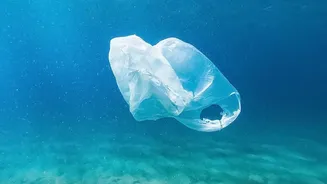
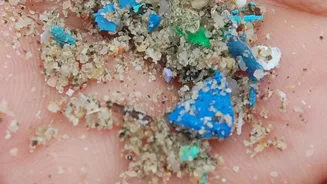
Microplastics are tiny plastic fragments, less than five millimetres in diameter, that have infiltrated virtually every ecosystem on Earth, including our bodies of water. They come from the breakdown of larger plastic items, microbeads in cosmetics, and
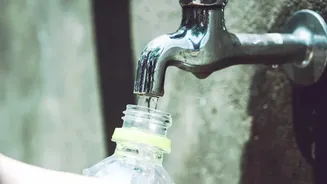
synthetic fibres from clothing. Standard water treatment plants are not always equipped to remove these minuscule particles effectively, meaning they can end up in the water that flows into our homes. The long-term health effects of ingesting microplastics are still being studied, but their presence in our drinking water is a contamination issue that demands innovative and accessible solutions.
From Agricultural Waste to a Water-Purifying Wonder
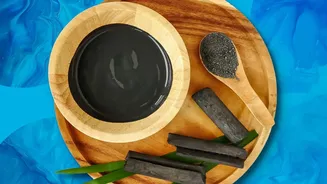
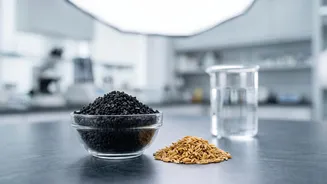
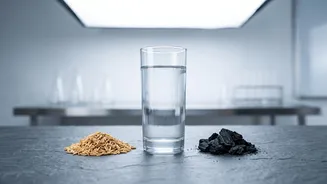
Enter bio-char, a special type of charcoal that is gaining attention for its remarkable filtering properties. It's created by heating organic materials like wood, manure, or agricultural waste in a low-oxygen environment through a process called pyrolysis. What makes this particularly exciting for India is the choice of raw material: rice husks. As one of a leading rice producer, India generates millions of tons of rice husks, which are often discarded or burned. By transforming this abundant, low-cost byproduct into bio-char, we can turn a waste management challenge into a powerful tool for public health.
The Science of Trapping Tiny Plastics
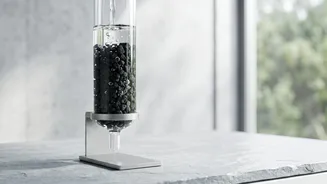
So, how does a filter made from burnt rice husks actually catch something as small as a microplastic? The magic lies in the bio-char's structure. The pyrolysis process creates a material that is incredibly porous, with a vast internal surface area full of microscopic nooks and crannies. When water passes through the bio-char, microplastic particles are captured through several mechanisms. They can be physically trapped and entangled in the porous network, a process called pore-filling or straining. Additionally, a force called adsorption causes the particles to stick to the bio-char's surface, driven by electrostatic and hydrophobic interactions. Studies have shown that bio-char filters can remove over 95% of microplastics from water, proving to be even more effective than sand filters of a similar size.
An Affordable and Accessible Solution
Perhaps the most compelling aspect of rice husk bio-char is its cost-effectiveness. Using an agricultural byproduct that is readily and cheaply available eliminates the need for expensive raw materials. The production process itself can be scaled to different needs, from large industrial facilities to smaller, community-level kilns. This opens the door to creating simple, affordable household water filtration units that people can use directly in their kitchens. The concept is not just about high-tech labs; it's about empowering communities with a low-cost, low-tech, and sustainable method to ensure the water they drink is safer.
What's Next: From the Lab to Your Tap
While research is incredibly promising, rice husk bio-char filters are still in the relatively early stages of widespread adoption. Most studies have been conducted in laboratory settings, and the next step is to scale up and test these filters in real-world conditions. Researchers are working to optimize the pyrolysis process to create bio-char with the best possible filtration properties and to design practical, user-friendly filter systems for homes and communities. Challenges remain, such as ensuring consistent quality and determining how often filters need to be replaced, but the path forward is clear. This innovation represents a powerful fusion of traditional knowledge and modern science.