





Why Your Fabric Choice Matters
Before you even step out the door, the clothes you wear have already made an impact on the environment. Conventional fabric production is one of the world's biggest polluters. For instance, a single conventional cotton T-shirt can require thousands of litres
of water to produce, and often involves harmful pesticides that damage soil and water systems. Synthetic fabrics like polyester, while durable, are derived from fossil fuels and shed tiny plastic particles called microplastics with every wash, which end up in our oceans. Making a conscious choice about the material of your clothing can significantly reduce this footprint, ensuring our favourite natural spots stay beautiful for years to come.
The Classic Choice: Organic Cotton
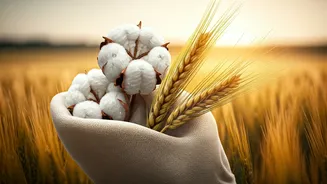
A timeless favourite, cotton is known for its softness and breathability. However, opting for organic makes a world of difference. Organic cotton is grown without synthetic pesticides or fertilisers, promoting healthier soil and safer conditions for farmers. It uses significantly less water than its conventional counterpart, especially when rain-fed. For outings in the Indian heat, its breathable nature is a huge plus. While it can absorb moisture and take time to dry, it's perfect for casual, low-intensity activities like picnics or city strolls. To be sure you're getting the real deal, look for certifications like the Global Organic Textile Standard (GOTS), which ensures strict environmental and social criteria from farm to finished garment.
The Hardy Duo: Hemp and Linen
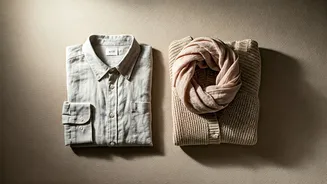
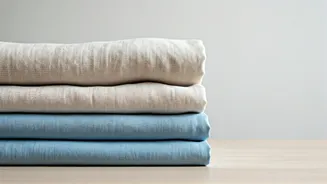
Hemp and linen are two of the most sustainable natural fibres available. Both are derived from plants (hemp from Cannabis sativa, linen from flax) that require very little water and typically no pesticides to grow. They are exceptionally strong, breathable, and have moisture-wicking properties, making them ideal for hot and humid climates. Both fabrics also have natural antibacterial properties and offer UV protection, which is a bonus for long days spent outdoors. While they can feel a bit stiff initially, both hemp and linen become wonderfully soft with each wash. Their durability means your garment will last for many seasons, reducing the need for replacements.
The Modern Innovator: TENCEL™ Lyocell
If you're looking for a fabric that combines a silky-smooth feel with high performance and sustainability, meet TENCEL™ Lyocell. This fabric is made from the wood pulp of sustainably managed trees, often eucalyptus. What makes it truly special is its award-winning closed-loop production process, where over 99% of the water and non-toxic solvents used are recycled. The result is a fabric that is biodegradable, exceptionally breathable, and fantastic at wicking moisture away from the skin—even more so than cotton. This makes it perfect for active outings, from hiking to yoga, as it feels gentle on the skin and is less likely to harbour odour-causing bacteria.
The Performance Pick: Recycled Polyester (rPET)
For high-intensity activities where you need durability, stretch, and quick-drying capabilities, recycled polyester is a smart choice. Often abbreviated as rPET, this fabric is made by melting down post-consumer plastics like PET water bottles and spinning them into new yarn. This process diverts plastic from landfills and oceans and uses significantly less energy than producing virgin polyester. It’s the go-to material for activewear, swimwear, and rain jackets. The main drawback is that it still sheds microplastics during washing. To mitigate this, you can wash these garments less frequently or use a special washing bag designed to capture the fibres.