



The Hidden Waste of a Beloved Tradition
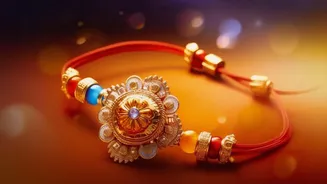
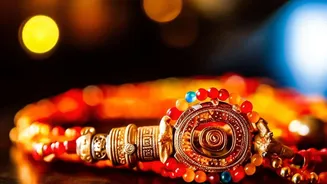
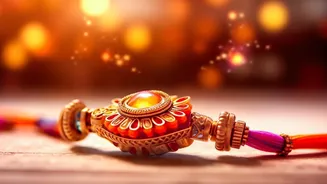
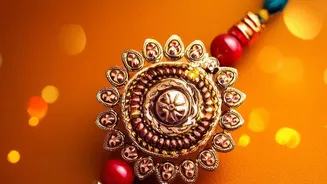
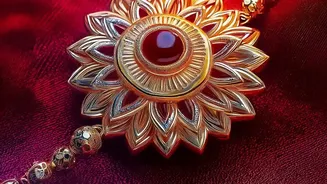
Every year, after the heartfelt ceremonies of Raksha Bandhan conclude, hundreds of millions of rakhis are discarded. Most of these are mass-produced using non-biodegradable materials. The threads are often made of nylon or polyester, and the embellishments
consist of plastic beads, acrylic stones, and synthetic glitter that take hundreds of years to decompose. This festive waste contributes to landfill overflow and plastic pollution, an unseen environmental consequence of a day meant to celebrate protection and care. The convenient, inexpensive rakhis that fill market stalls are part of a larger problem of single-use products that harm the planet long after their brief purpose is served.
A Return to Nature's Threads
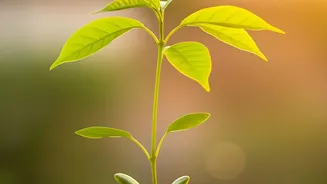
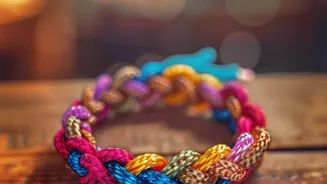
In response to this growing awareness, a new trend has taken root: the eco-friendly rakhi. At the forefront are seed rakhis, an innovative and beautiful solution. These rakhis are handmade using natural, biodegradable materials like organic cotton or jute threads, natural dyes, and a centrepiece made of clay or recycled paper embedded with seeds. After the festival, instead of being thrown away, the rakhi can be planted in soil. With a little water and sun, the seeds germinate, and the rakhi transforms into a living plant—often herbs like basil, or flowers like marigolds. This turns a symbol of a bond into a lasting, living memory that gives back to the earth.
The Hands and Hearts Behind the Craft
This green shift is being powered by artisans, women's self-help groups, and social enterprises across India. In places like Madhya Pradesh and Bihar, tribal women and rural artisans are using their traditional craft skills, such as crochet and hand-spinning yarn, to create these unique rakhis. Organisations like the Bakul Foundation in Bhubaneswar and TRIFED, under the Ministry of Tribal Affairs, have been instrumental in promoting seed rakhis, providing artisans with materials and market access. These initiatives not only create beautiful, sustainable products but also provide vital employment and empower local communities, connecting their craftsmanship to a conscious consumer base.
Shifting Tides in Festive Markets
What started as a niche product is now a noticeable trend in festive markets, both online and offline. Platforms like iTokri and Okhai now feature extensive collections of handmade and eco-friendly rakhis, highlighting the craft and the artisans behind them. Even in local markets, entrepreneurs report a surprising and encouraging demand, particularly from younger, climate-conscious consumers who specifically ask for plantable options. While they can be slightly more expensive than their plastic counterparts, the price reflects the value of handmade production and natural materials. This growing demand signifies a larger shift in consumer behaviour, where the story and impact of a product are becoming as important as its appearance.
More Than a Rakhi, It's a Renewed Promise
The seed rakhi reframes the very essence of Raksha Bandhan. The promise of protection, traditionally between siblings, is extended to include the environment. It transforms the gesture into a lesson on sustainability, making it a powerful educational tool for children and adults alike. By choosing a rakhi that grows, families are opting for a celebration that is mindful and regenerative. It proves that traditions do not need to be static; they can evolve to reflect contemporary values and concerns without losing their core meaning. This small thread becomes a symbol of a relationship that, like the seed it carries, is meant to grow and flourish.