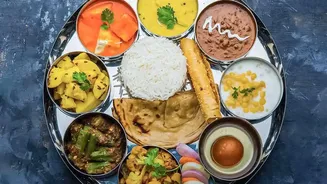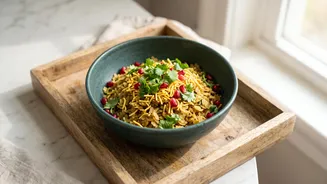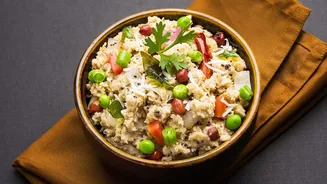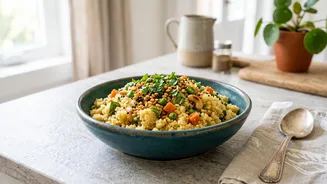


Tired of the same toast and cereal? India's diverse culinary landscape offers a treasure trove of breakfast options that are not only delicious but also incredibly nutritious. It’s time to reboot your morning routine with these wholesome regional meals.
Poha: The Light and Flavourful Choice
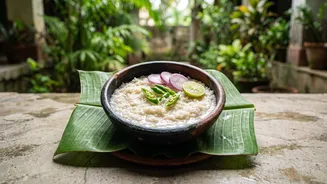
Hailing from Western India, particularly Maharashtra and Madhya Pradesh, poha is a beloved breakfast made from flattened rice. This simple dish is incredibly light on the stomach yet provides sustained energy. To prepare it, the rice flakes are lightly soaked and then sautéed with onions, mustard seeds, turmeric, and curry leaves. Often garnished with fresh coriander, lemon juice, and sometimes peanuts, poha offers a delightful mix of savoury and tangy flavours. Nutritionally, it's a winner because it's easily digestible, low in calories, and a good source of healthy carbohydrates. The traditional process of making flattened rice involves passing it through iron rollers, which fortifies it with iron, making it an excellent meal for preventing anaemia. Its gluten-free nature makes it suitable for those with dietary sensitivities.
Idli Sambar: The South Indian Powerhouse
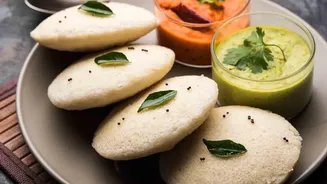
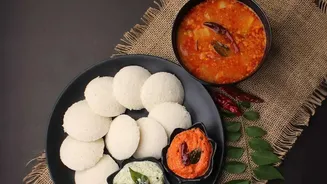
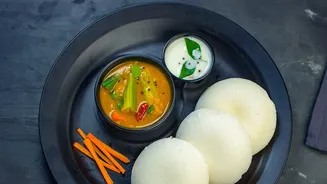
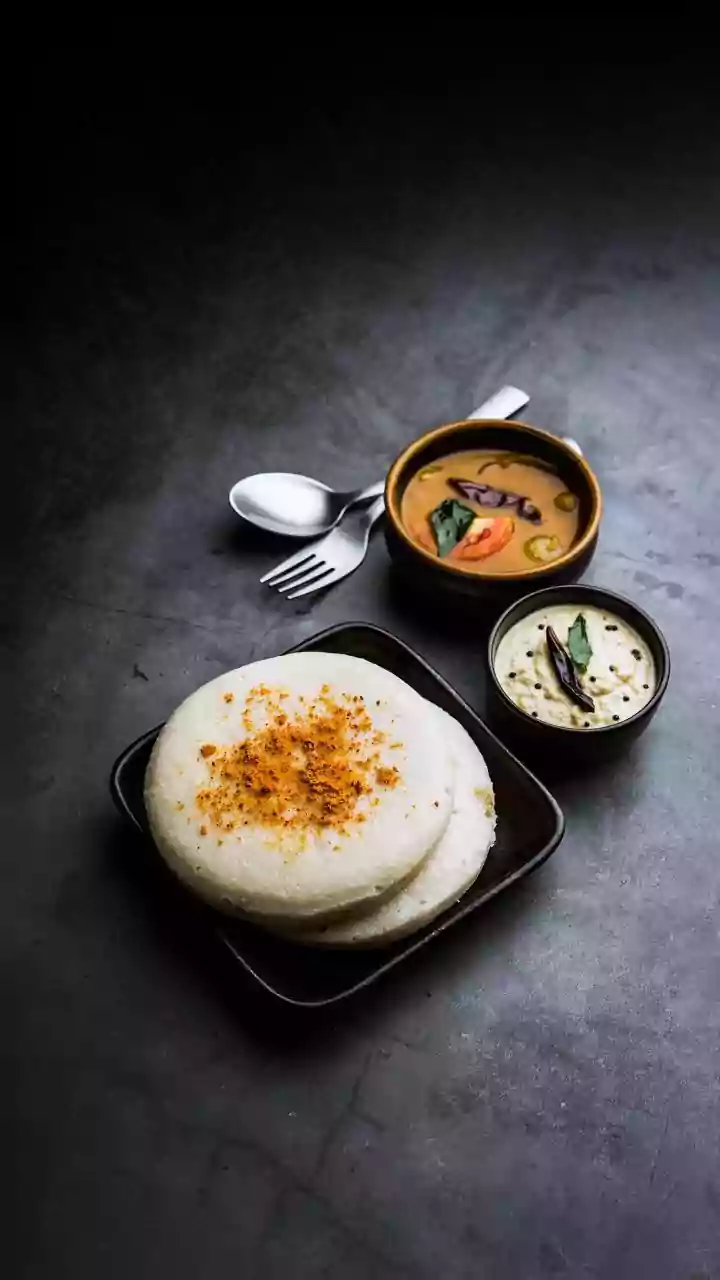
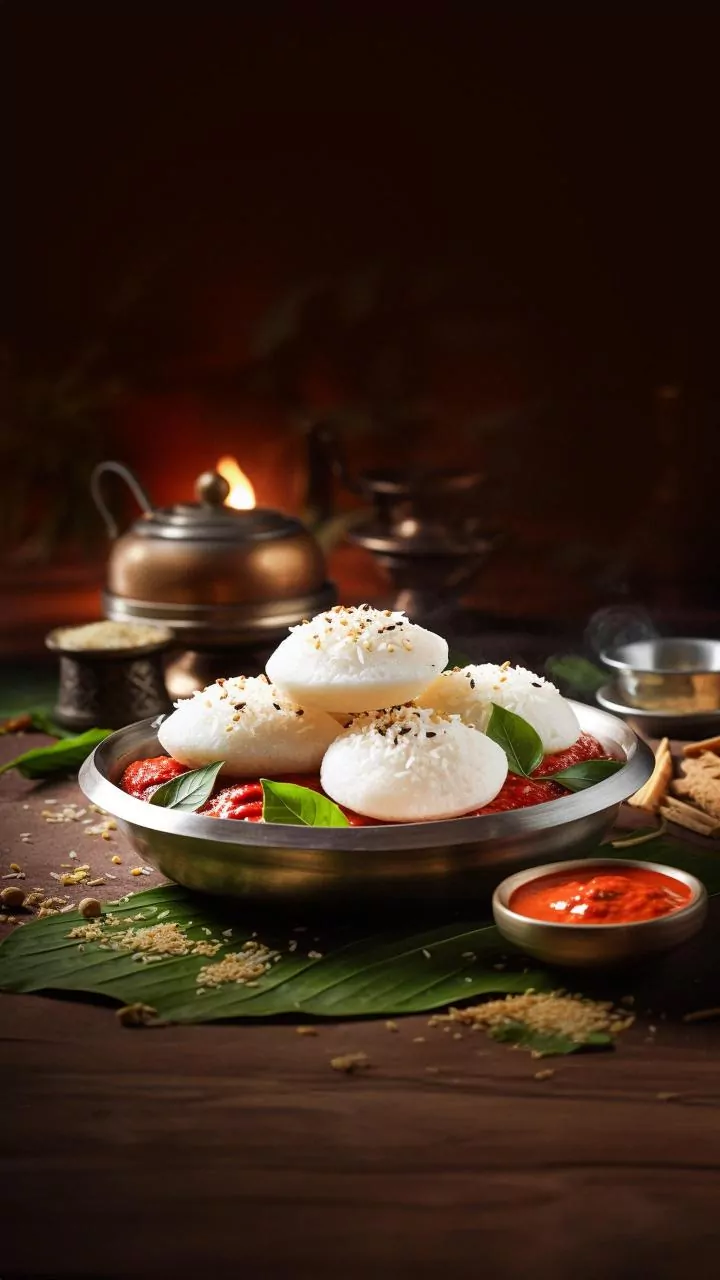
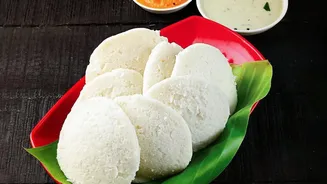
A quintessential South Indian breakfast, idli served with sambar is celebrated across the country for being both healthy and comforting. Idlis are soft, pillowy, steamed cakes made from a fermented batter of rice and urad dal (black lentils). The fermentation process is key to its health benefits; it breaks down the starches, making the idlis easy to digest, and introduces probiotics that promote excellent gut health. Being steamed, they are naturally low in fat. The accompanying sambar, a flavourful stew made from lentils and a variety of vegetables like carrots, drumsticks, and pumpkin, adds a significant dose of protein, fibre, vitamins, and minerals. This combination provides a balanced meal with complex carbohydrates for energy and plant-based protein for muscle maintenance, making it a perfect start to any day.
Moong Dal Chilla: The Protein-Packed Pancake
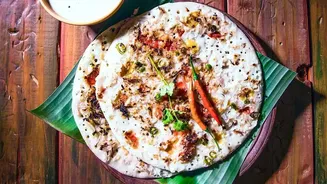
Originating from North India, the moong dal chilla is a savoury pancake that serves as a fantastic high-protein, low-carb breakfast. It is made from a simple batter of soaked and ground yellow moong dal (split yellow lentils), mixed with ginger, green chillies, and spices. You can also add finely chopped vegetables like onions, tomatoes, and spinach to the batter for extra nutrients. Cooked on a griddle with minimal oil, chillas are light yet incredibly filling. Moong dal is a powerhouse of plant-based protein and dietary fibre, which helps in muscle repair and keeps you feeling full for longer, aiding in weight management. This dish is also rich in essential nutrients like iron, potassium, and B vitamins, which support overall wellness and energy production. It's an excellent gluten-free option that is both diabetic-friendly and heart-healthy.
Thepla: The Versatile Gujarati Flatbread
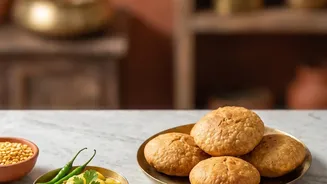
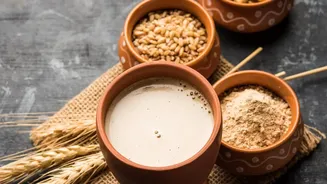
A staple in Gujarati households, thepla is a soft, spiced flatbread that is both nutritious and convenient. It is typically made from whole wheat flour, gram flour (besan), and fresh fenugreek (methi) leaves, along with spices like turmeric and chilli powder. The dough is often prepared with yoghurt, which makes the theplas soft and adds a probiotic element. Methi leaves are packed with fibre, which aids digestion, and they also help in regulating blood sugar levels. Whole wheat flour provides complex carbohydrates for sustained energy release. Theplas are a good source of iron, calcium, and other micronutrients. While they are traditionally cooked with a bit of oil, using a non-stick pan can keep the fat content low, making them a healthy choice for a daily breakfast. They are also great for travel as they stay fresh for a couple of days.
Upma: The Quick and Comforting Classic
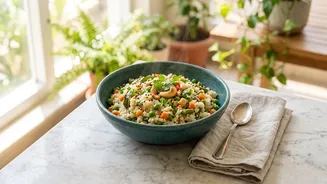
Upma is a thick, porridge-like dish popular throughout South India and beyond, known for being quick to prepare and deeply satisfying. The most common version is made from dry-roasted semolina (suji or rava), which is then cooked with water and tempered with mustard seeds, curry leaves, onions, and ginger. Vegetables like peas, carrots, and beans are often added to enhance its nutritional profile. Semolina is a good source of iron and healthy carbohydrates that provide a steady supply of energy. The dish is low in calories and cholesterol, and the inclusion of vegetables boosts its fibre content. This high-fibre content helps you feel full for longer, preventing overeating and making it an excellent choice for weight management. For an even healthier twist than upma can be made with whole grains like broken wheat (dalia) or oats.