



Understanding Dietary Fibre
Dietary fibre is a type of carbohydrate that our bodies cannot digest. It passes through our system largely intact, playing a crucial role in maintaining gut health. There are two types: soluble fibre, which dissolves in water to form a gel-like substance,
helping to lower cholesterol and blood sugar levels, and insoluble fibre, which adds bulk to stool and prevents constipation. The Indian Council of Medical Research (ICMR) suggests a daily intake of around 25-30 grams of fibre, but studies show many urban Indians consume only about half of that. This gap is linked to a rising incidence of lifestyle diseases.
The Power of Pulses (Dal and Chana)
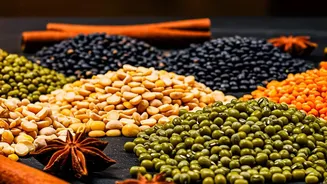
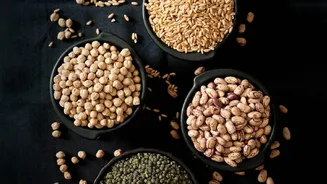
Dals are the backbone of Indian cuisine and a fibre powerhouse. A single 100g serving of raw chana dal can contain up to 12g of fibre, while masoor and moong dal offer around 7-8g. Rajma, or kidney beans, are another star, providing roughly 13-15g of fibre per 100g. This combination of protein and fibre keeps you feeling full for longer, aids in weight management, and helps stabilise blood sugar levels. Including a bowl of dal, chana, or rajma in at least one of your main meals is a simple and effective way to significantly boost your daily fibre intake.
Embrace Mighty Millets
Once considered humble grains, millets like jowar (sorghum), bajra (pearl millet), and ragi (finger millet) are making a well-deserved comeback. These nutri-cereals are not only gluten-free but are also exceptionally high in fibre. For instance, 100g of bajra or ragi contains about 11g of fibre. This high fibre content slows down carbohydrate absorption, which helps prevent sudden spikes in blood sugar, making millets an excellent choice for everyone, especially those managing diabetes. Swapping refined rice with millets or using their flour for rotis can make a huge difference.
Go with Whole Grains
The choice of flour for our daily rotis and breads is a critical factor in our fibre intake. Whole wheat atta is a staple in most Indian homes and a good source of fibre. When we opt for highly refined maida or polished white rice, we strip away the bran and germ, which contain the bulk of the fibre and nutrients. Reading the label is key; ensure "whole wheat flour" is the primary ingredient. Similarly, choosing brown rice over white rice is a simple switch that preserves the grain's natural fibre content, contributing to better digestive health and satiety.
Don’t Forget Your Vegetables and Fruits
Many common Indian vegetables are packed with fibre. Bhindi (okra), guar (cluster beans), and leafy greens like spinach and fenugreek (methi) are excellent sources. Even everyday fruits like guavas, apples (with the skin), and bananas contribute significantly to our fibre goals. Guava is a particular standout, with some varieties containing up to 8g of fibre per 100g. Aim to fill half your plate with vegetables at lunch and dinner, and snack on whole fruits instead of drinking juices to ensure you get all the fibrous goodness.
Simple Ways to Increase Fibre
Incorporating more fibre doesn't require a complete diet overhaul. Start with small, sustainable changes. Add a tablespoon of flax seeds (alsi) or chia seeds to your yogurt, smoothies, or oatmeal. Choose roasted chana or a handful of nuts for a snack instead of processed options. When making dosa or chilla, try using batters made from millets or moong dal. The key is to increase your intake gradually and drink plenty of water to allow your digestive system to adapt.