




A Landmark Reimagined
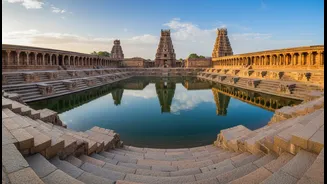
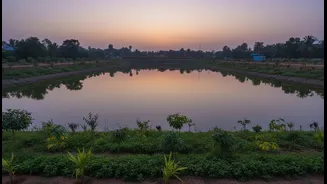
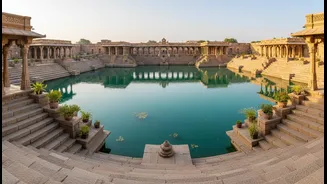
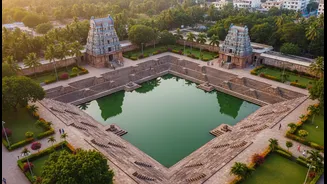
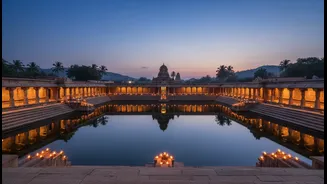
The Vandiyur Mariamman Teppakulam, a massive 16-acre temple tank built in the 17th century by King Thirumalai Nayak, has long been a cornerstone of Madurai's cultural and religious life. Known for its spectacular annual Float Festival, the tank and its central
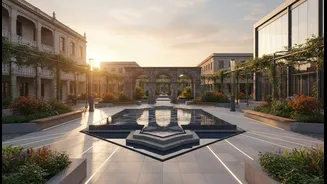
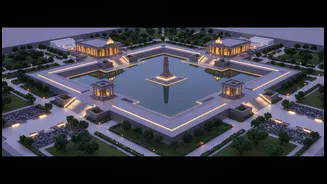
mandapam are steeped in history. However, over the years, the area surrounding this architectural marvel faced challenges common to many urban heritage sites: unregulated commercial activity, cleanliness issues, and inadequate facilities for the thousands of locals and tourists who gather there daily. Recognizing its potential, Madurai authorities have embarked on an ambitious redevelopment project. The goal is not just to restore its historical grandeur but to transform it into a vibrant, modern public space that serves everyone, from evening walkers and families to international tourists and devout pilgrims.
A New Deal for Local Vendors
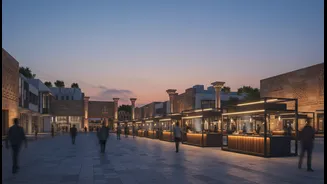
A key challenge in any urban renewal project is balancing development with the livelihoods of local people. For years, the periphery of the Teppakulam was lined with food stalls and small shops. While providing convenient snacks and goods, this unregulated activity often led to congestion and waste disposal problems, impacting pedestrian movement and overall cleanliness. Instead of simply displacing the vendors, the new plan addresses their needs head-on. The proposal includes the creation of a dedicated food street near the tank. This organized space is planned to have proper sanitation systems, designated parking, and hygienic facilities for traders. The move aims to provide vendors with formal, improved business environments while freeing up the tank's immediate surroundings for visitors to enjoy, creating a win-win situation that respects both commerce and culture.
Enhancing the Visitor and Resident Experience
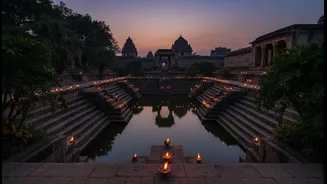
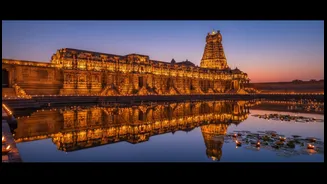
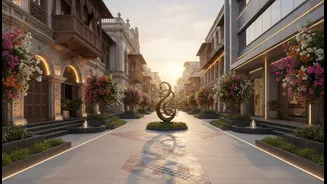
The vision for the revamped Teppakulam focuses heavily on user experience. Madurai (South) MLA M M Gopison has outlined plans to turn the area into a premier tourist destination. A major component of this is the installation of new, attractive coloured lighting around the entire tank, designed to highlight its architectural beauty and create a stunning ambience after dark. Beyond aesthetics, the project prioritizes functionality. For residents who use the space for daily walks and recreation, this means a cleaner, safer, and more accessible environment. For tourists, it means better infrastructure to support cultural events and sightseeing. The plan includes creating dedicated viewing spaces where visitors can watch cultural programs, transforming the Teppakulam from a passive landmark into a dynamic event venue. Residents have expressed support, noting that organized facilities would make family visits more pleasant and keep the sacred area clean.
A Blueprint for Inclusive Growth
This project is about more than just one temple tank; it's a test case for a more thoughtful approach to urban development in India. The Teppakulam revamp is part of a broader vision for Madurai that also includes renewing focus on other heritage sites like the Thirumalai Nayakkar Mahal. The strategy hinges on a collaborative process involving local leaders and ministers to ensure that decisions are holistic. For instance, the suggestion for a dedicated food street came from the health minister, ensuring public health standards were part of the commercial solution. By directly addressing the needs of vendors, ensuring the space remains welcoming for residents, and boosting its appeal for tourists, Madurai is attempting to prove that heritage preservation and economic development can go hand in hand. This integrated approach, which considers everything from waste management to cultural programming, offers valuable lessons for other cities grappling with similar challenges.