





Old Rule: Heavy, Matte Foundation
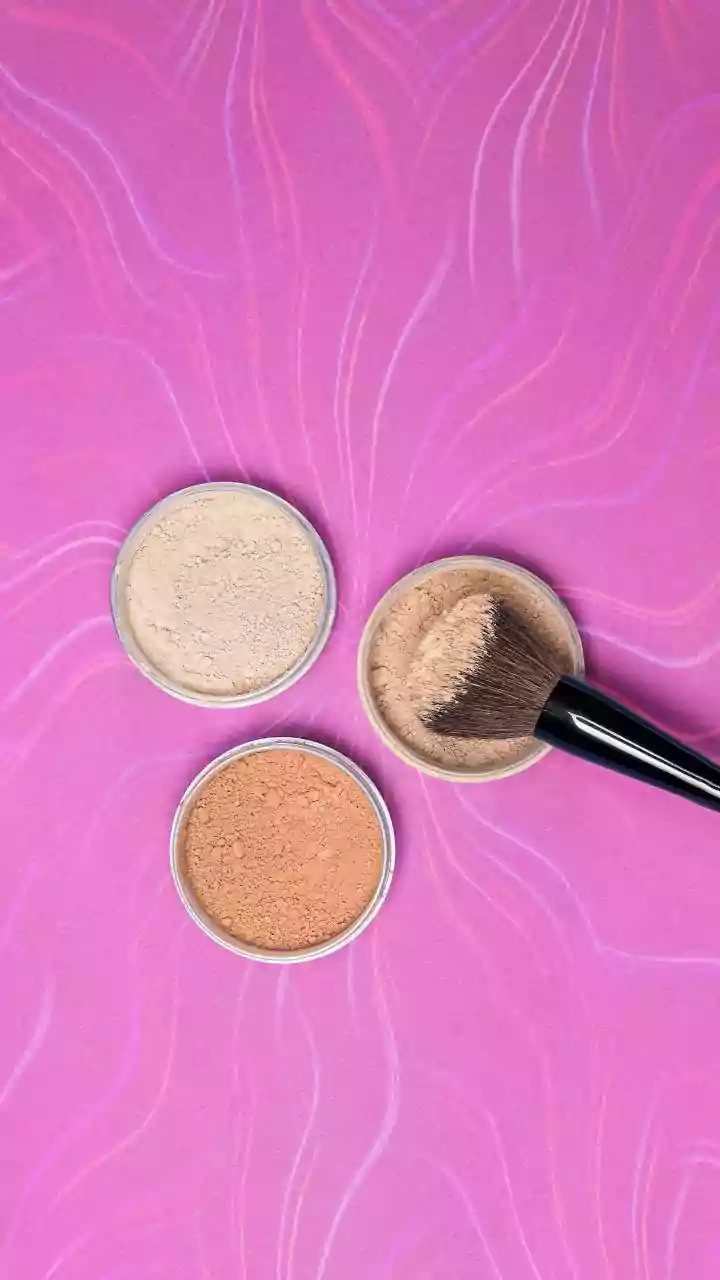
The traditional logic was simple: high humidity equals high shine, so the only solution was to smother your skin under a thick, impenetrable layer of matte foundation. The goal was to create a waterproof, sweat-proof mask that wouldn't budge, even if
it felt heavy and often looked cakey. This approach focused entirely on oil control, sometimes at the expense of your skin’s comfort and breathability. The problem? These heavy formulas can clog pores, leading to breakouts—a common monsoon woe—and can look unnatural in the soft, diffused light of a rainy day. It was a strategy of defence, not of enhancement.
New Rule: Breathable Skin Tints and Serums
The new philosophy is all about letting your skin breathe. Instead of fighting the dewiness, you embrace it. The updated arsenal includes lightweight skin tints, tinted moisturisers, and serum foundations. These products offer sheer, buildable coverage that evens out your skin tone without hiding it completely. Formulations with ingredients like hyaluronic acid and niacinamide do double duty, offering a hint of colour while hydrating and strengthening the skin barrier. The finish is more natural, radiant, and, most importantly, comfortable. It’s a shift from masking your skin to celebrating it, allowing a little bit of that monsoon glow to be your own.
Old Rule: Strip Oils with Harsh Cleansers
Feeling greasy and sticky is a hallmark of monsoon humidity. The knee-jerk reaction has always been to reach for the most potent, foaming, and oil-stripping face wash you can find. The goal was to feel “squeaky clean.” However, this approach is often counterproductive. When you strip your skin of its natural oils, you damage its protective barrier. A compromised barrier not only loses moisture more easily but can also cause your skin to overproduce oil to compensate, making you even greasier. This vicious cycle can lead to irritation, sensitivity, and the dreaded monsoon acne.
New Rule: Focus on Hydration and Barrier Repair
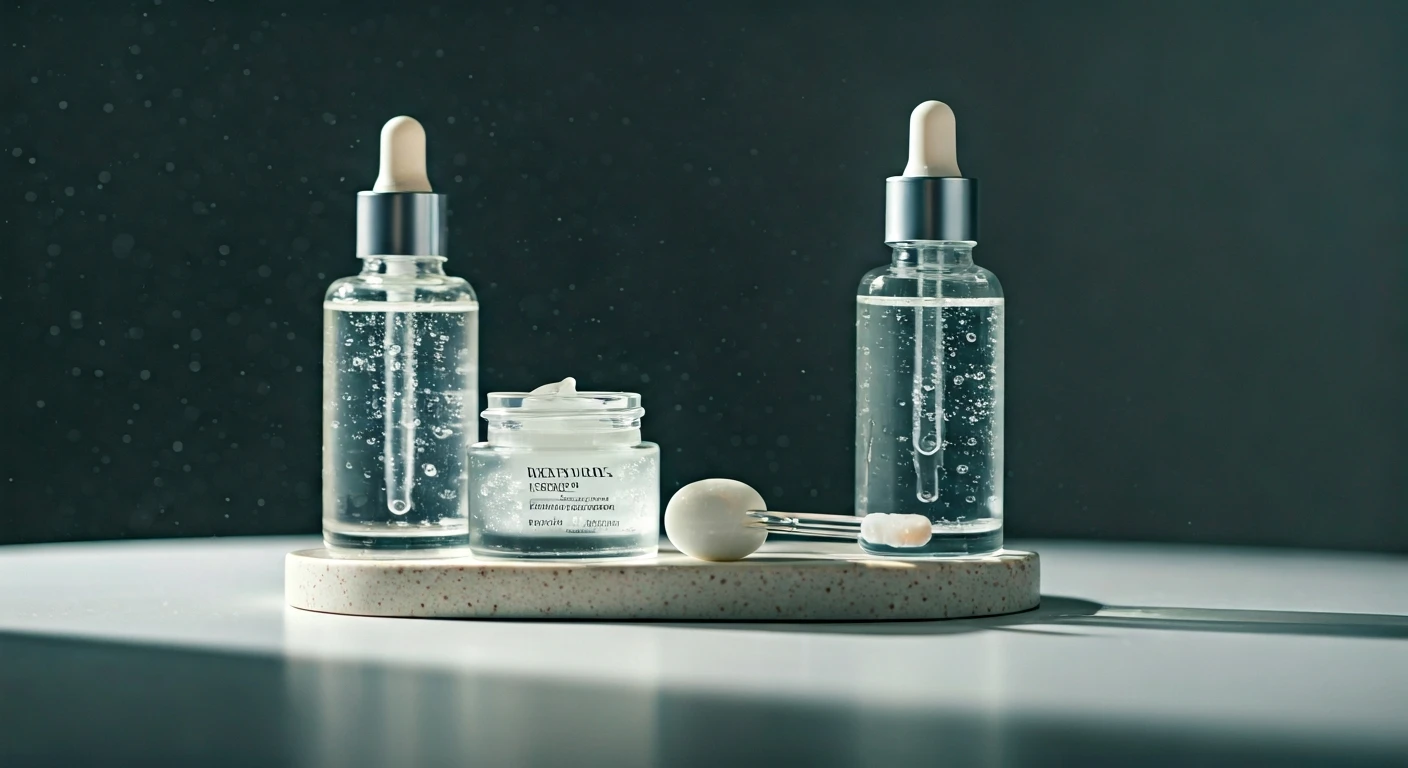
Today’s skincare wisdom understands that hydrated skin is healthy skin. The new rule is to support your skin's barrier, not attack it. This starts with gentle, non-stripping cleansers. The biggest change, however, is the embrace of hydrating ingredients even in humid weather. Instead of heavy creams, think lightweight, water-based gel moisturisers and serums packed with hyaluronic acid, glycerin, and ceramides. These ingredients attract and lock in moisture without feeling heavy or greasy. The viral 'skin flooding' technique—layering watery essences and serums on damp skin—is perfect for the monsoon, as it provides deep hydration that helps balance oil production and keeps your skin plump and resilient.
Old Rule: Fight Frizz with Heavy Silicones
Monsoon hair has one sworn enemy: frizz. For decades, the only solution seemed to be loading your hair with heavy, silicone-based serums and anti-frizz sprays. While these products can provide a temporary smoothing effect by coating the hair shaft, they often lead to build-up. This build-up can weigh your hair down, make it look greasy, and block moisture from penetrating the hair cuticle in the long run. It was a cosmetic fix that did little for actual hair health, forcing you into a cycle of washing and re-applying heavy products.
New Rule: Nourish the Scalp and Embrace Texture
The focus has shifted from the ends of your hair to the roots. A healthy scalp is the foundation of good hair, especially in a humid climate prone to fungal infections and dandruff. The new rules champion regular use of clarifying shampoos to prevent build-up, alongside nourishing scalp serums with ingredients like tea tree oil or salicylic acid. For frizz, the approach is less about suppression and more about definition. Lightweight leave-in conditioners, curl creams, and hydrating hair mists that are free from heavy silicones are the new go-tos. This approach encourages you to work with your hair's natural texture, defining your waves or curls so they look intentional and healthy, rather than trying to force them into submission.