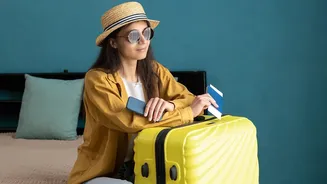







The great annual leave, a time-honoured tradition of saving up for one long, glorious holiday, is being retired. A new generation of travellers, Gen Z, is rewriting the rules, favouring a calendar full of short, spontaneous trips instead.
The Rise of the Micro-Cation
The long-cherished
concept of the two-week annual holiday is fading. For Gen Z, born between the late 1990s and early 2010s, travel has become less of a once-a-year event and more of an ongoing lifestyle choice. A recent report from Airbnb focusing on young Indian travellers highlights this seismic shift, revealing that a staggering 70% prefer taking three short trips over a single long one. Furthermore, 87% favour getaways that last less than a week. This trend isn't isolated to India; it's a global phenomenon. Young travellers are embracing 'micro-cations'—short, frequent bursts of exploration that fit more seamlessly into their dynamic lives. Instead of elaborate planning, spontaneity reigns, with many booking their trips just days or weeks in advance.
Economic Realities and Smart Spending
One of the primary drivers behind this trend is financial pragmatism. With rising costs and different economic pressures than previous generations, a single, expensive holiday can feel daunting. Shorter trips are simply more affordable and easier to budget for. This generation is not necessarily spending less on travel—in fact, many prioritise it as a non-negotiable expense—but they are spending smarter. They seek value and memorable experiences over sheer luxury. According to one study, 75% of young travellers value trips that don't cost a lot, and nearly half say hefty spending would negatively impact their experience. This mindset has led to the popularity of budget airlines, shared home accommodations over hotels, and a focus on domestic travel.
Flexibility in a 'Work from Anywhere' World
The pandemic-induced shift towards remote and hybrid work has been a major catalyst. With less time spent in a traditional office, the lines between work, life, and travel have blurred. This flexibility makes it easier to take a long weekend or a mid_week break without dipping into a limited pool of annual leave. The rise of the 'workation'—working from a different location for a short period—is a direct result of this. For a generation that values work_life balance, the ability to pack a laptop and escape for a few days offers a perfect blend of productivity and rejuvenation. As a result, the number of self_described 'digital nomads', a majority of whom are Gen Z and Millennials, has surged.
Experience, Not Itineraries
Gen Z travellers are often dubbed the 'anti_itinerary generation'. They are less interested in ticking off a checklist of famous landmarks and more focused on authentic, personal experiences. For this cohort, the way they travel is a form of self_expression. Studies show a high percentage want their trip to feel unique and personal, not pre_planned or trendy. This has led to an interesting paradox regarding social media. While platforms like TikTok and Instagram are major sources of inspiration, many young travellers actively seek destinations that haven't gone viral. The goal is relaxation and discovery, with a surprising two_thirds travelling with the explicit intention of doing nothing at all—simply resting and recharging in a new environment.
The Stay Becomes the Destination
Reflecting the shift towards relaxation and experience, the choice of accommodation has become a crucial part of the trip itself. For a majority of Gen Z travellers, where they stay is as important as the destination, with many saying they have chosen a location specifically because of a particular home or rental they wanted to experience. This generation often prefers a shared home with friends over separate hotel rooms, valuing communal spaces where they can connect. They look for features that feel like a 'home wishlist'—a balcony, proximity to local markets, and a comfortable living area—rather than a generic hotel checklist. It's part of a broader desire for wellness and mental wellbeing, seeing travel as a 'reset button' to escape routine.