





The New Star on the Breakfast Plate
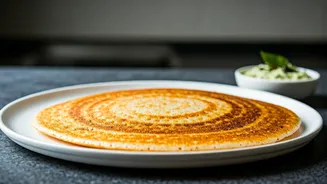
Step aside, traditional rice batter. The dosa getting all the attention right now is the millet dosa. Specifically, dosas made from ragi (finger millet), jowar (sorghum), bajra (pearl millet), and other ancient grains are surging in popularity. While
these have existed in regional cuisines for generations, they are now having a major moment in mainstream urban kitchens and cafes. Why? They perfectly intersect our love for traditional flavours with the modern-day pursuit of wellness. This isn't about replacing the classic dosa, but about adding a powerful, nutrient-dense alternative to the weekly menu.
A Nutritional Powerhouse
The main reason for the millet dosa’s rise is its stellar nutritional profile. Unlike dosas made primarily from polished white rice, millet-based versions are a game-changer. Ragi, for instance, is a fantastic source of calcium and iron. Millets in general are packed with dietary fibre, which aids digestion, promotes a feeling of fullness, and helps manage weight. They also have a lower glycemic index compared to rice, meaning they release sugar into the bloodstream more slowly. This makes them an excellent choice for those managing blood sugar levels and anyone looking to avoid that post-meal energy slump. Plus, most millets are naturally gluten-free, opening up a world of delicious possibilities for people with gluten sensitivities.
But Does It Taste Good?
This is the million-rupee question. For many, 'healthy' can sound like a compromise on taste. But with millet dosas, that’s simply not the case. They offer a wonderfully unique flavour and texture. A ragi dosa has a deep, earthy flavour and a beautiful reddish-brown hue, creating a crispier, more textured crepe than its rice-based cousin. A jowar dosa is softer and has a milder, slightly sweet taste. The key is in the preparation. When fermented correctly and paired with the right accompaniments—like a spicy tomato chutney, a cooling coconut chutney, or a flavourful sambar—these dosas are not just healthy, they are incredibly delicious. They prove that you don’t have to sacrifice flavour for function.
The Millet Dosa Family
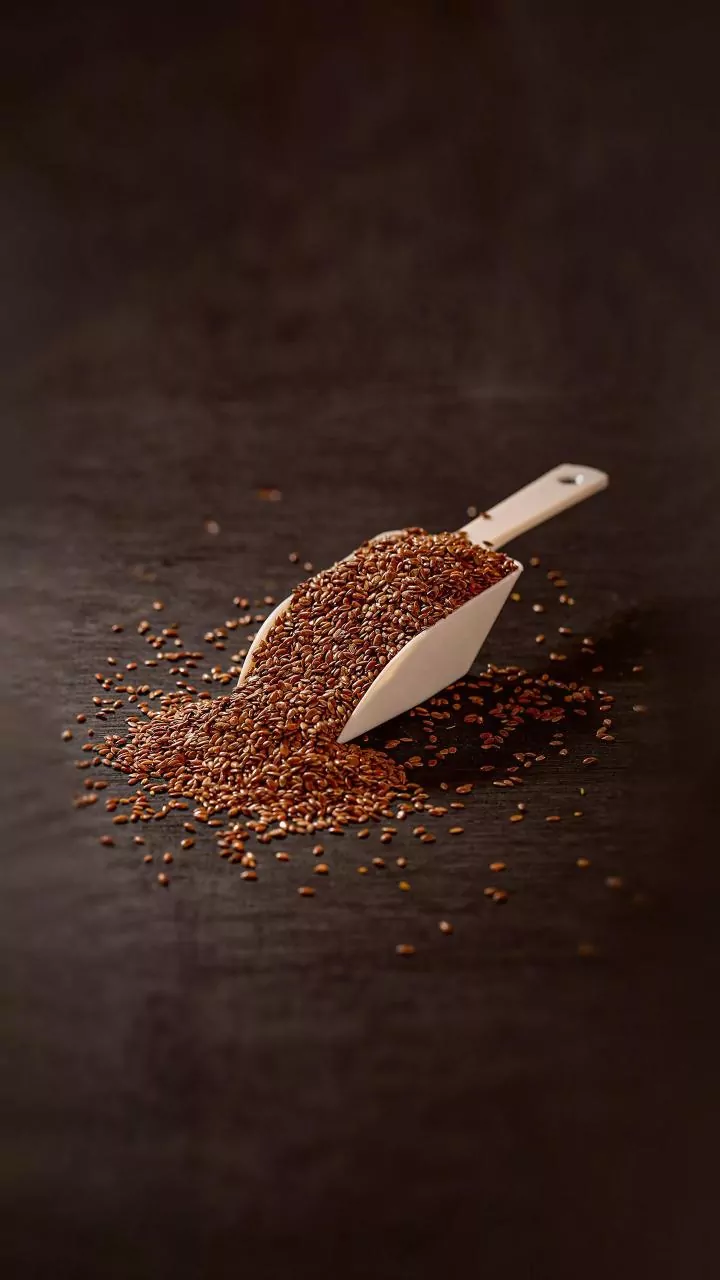
While ragi dosa might be the most famous of the lot, the world of millet dosas is vast. Foxtail millet (kangni) creates a light, fluffy dosa that’s very similar to a regular one. Pearl millet (bajra) dosas are popular in the winter months for their warming properties, offering a dense and satisfying meal. You can even find multi-millet dosa mixes that combine the goodness of three to four different grains. This variety means you can rotate different millets through your diet, each bringing its own unique set of nutrients and flavours to the table. This isn't just one healthy dosa; it's a whole category of them waiting to be explored.
Making It at Home
Bringing this healthy trend into your own kitchen is easier than you think. You can buy pre-made millet dosa batter from many stores, or you can purchase instant mixes that just require water and a few minutes of resting time. For the more adventurous home cook, making the batter from scratch is a rewarding process. The basic principle is similar to a regular dosa: soak the millet and a small amount of urad dal, grind them into a smooth batter, and let it ferment for a few hours. A key tip: millet batters can be thicker, so don’t be afraid to add a little water to get the right pouring consistency. Cook it on a hot tawa with a touch of ghee or oil, and you’ll have a perfectly crisp and healthy dosa ready in minutes.