


Beyond the Ingredient List
We've all been there: a sink full of dishes and a meal that’s either burnt, undercooked, or just plain disappointing. It’s easy to blame ourselves, but often the fault lies with a recipe that's missing crucial information. A well-written recipe is more
than a list of ingredients and a few vague steps; it’s a detailed guide. Professional recipe developers know that consistency comes from controlling the variables. While ingredients are the 'what,' the 'how' is determined by three critical factors that are frequently overlooked: the precise level of heat, the specific cooking vessel, and clear, sensory cues for doneness. Understanding these elements empowers you to troubleshoot a poorly written recipe and become a more intuitive cook. It’s the difference between blindly following instructions and truly understanding the process.
The Nuances of Heat
“Cook over medium heat” is one of the most ambiguous instructions in the culinary world. Whose medium heat? On what kind of stove? The difference between medium-low and medium-high can be the difference between a gentle simmer and an aggressive boil, or a perfect sear and a burnt mess. A great recipe will offer more context. For stovetop cooking, it might describe what the oil should look like (“shimmering, but not smoking”) or how the food should react when it hits the pan (“it should sizzle immediately”). In baking, simply stating an oven temperature isn't enough. Many ovens aren't properly calibrated, so their actual temperature can vary significantly. Furthermore, the material and color of your pan affect how it conducts heat; a dark metal pan absorbs more heat and can lead to darker, crispier edges than a light-colored or glass pan. A thoughtfully written recipe accounts for this, sometimes suggesting a slightly lower temperature for darker pans or providing visual cues that transcend temperature variations.
Why Your Cooking Vessel Matters
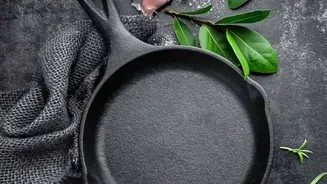
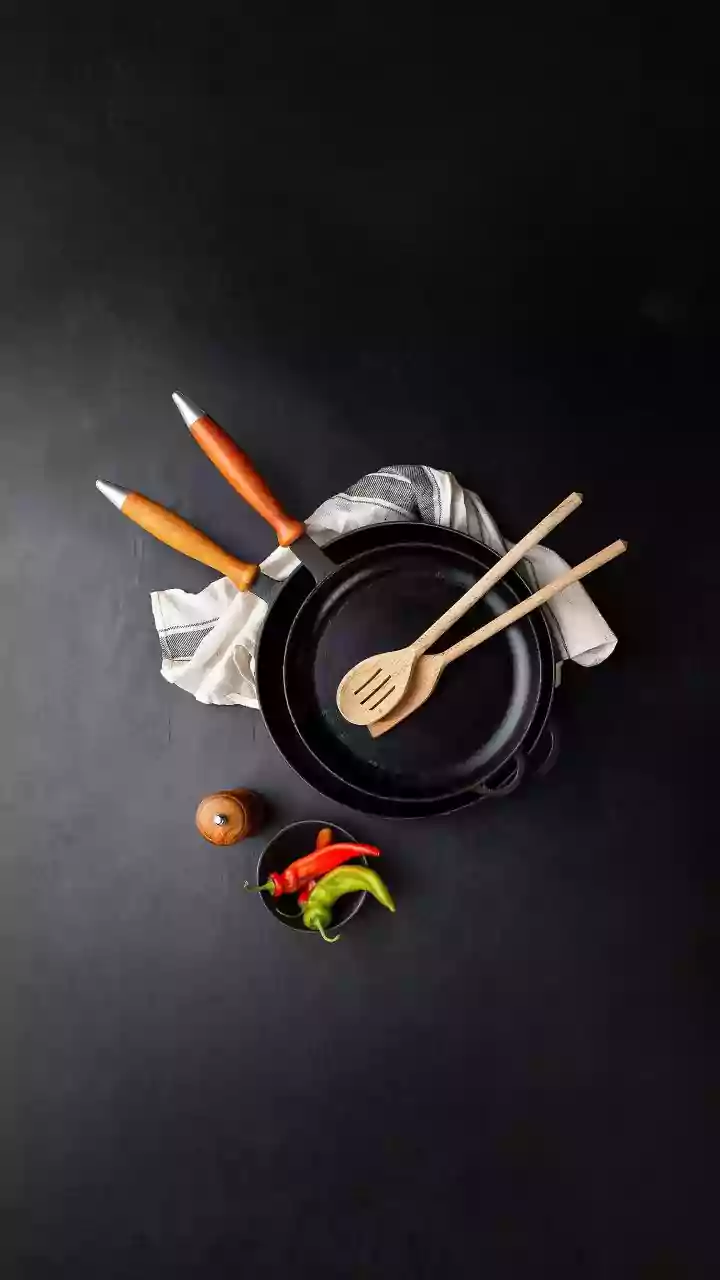
The size, shape, and material of your pot or pan can dramatically alter the outcome of a dish. A recipe tested in a 10-inch cast-iron skillet will not behave the same way in a 12-inch non-stick pan. Using a pan that's too large can cause a sauce to reduce too quickly or a cake to turn out thin, dry, and overcooked because the batter is spread out. Conversely, a pan that's too small can lead to overcrowding, which traps moisture and steams food instead of searing it. For baked goods, a smaller, deeper pan than specified can result in a cake that overflows or has a gooey, undercooked center and burnt edges. Professional recipe writers specify pan dimensions for a reason: baking times and temperatures are calculated based on a specific batter depth and surface area. When a recipe provides these vessel details, it’s not a suggestion—it’s a critical component for replicating the intended result.
Defining 'Done' Without a Timer
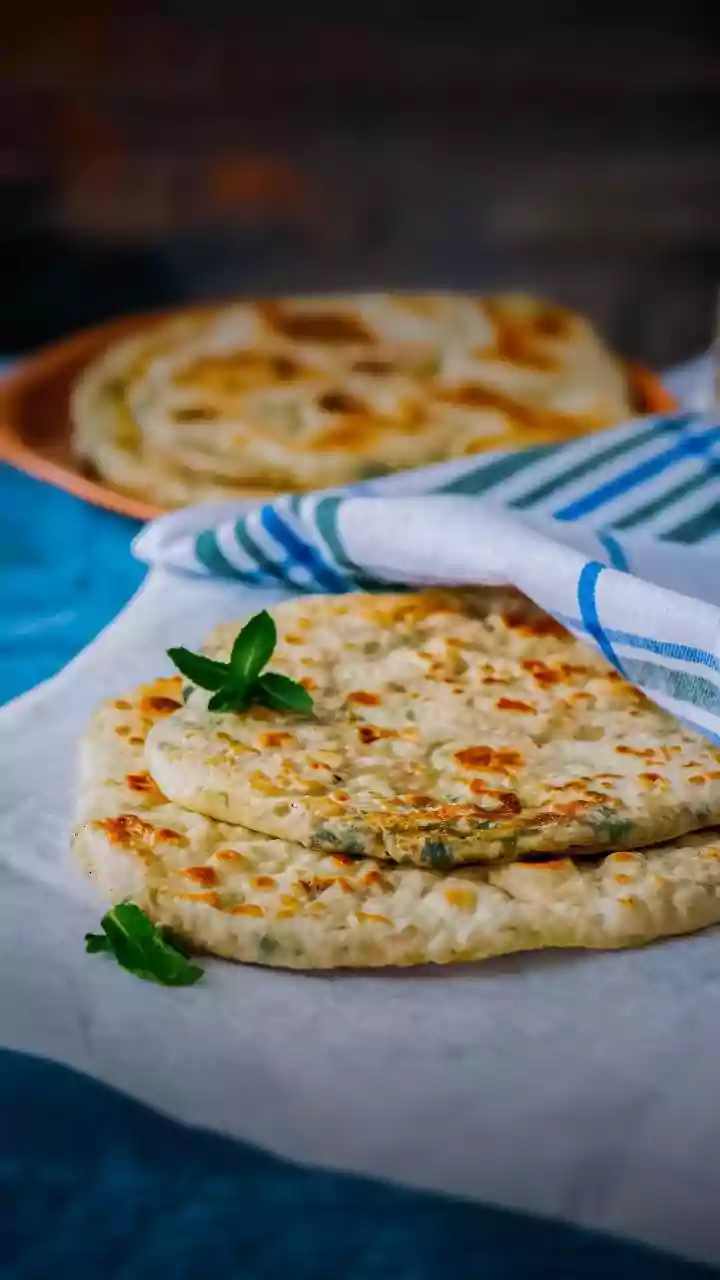
A timer is a guide, not a gospel. Vague instructions like “bake for 20-25 minutes” or “cook until done” are a primary cause of kitchen failures. An exceptional recipe provides sensory cues for doneness. These are the signs you can see, smell, feel, and even hear that tell you when the food is ready. For a cake, this might be “springs back when lightly touched” or “a skewer inserted into the center comes out with moist crumbs attached.” For seared meat, it might be the development of a deep brown crust, with juices running clear or light pink. For bread, a hollow sound when tapped on the bottom is a classic indicator. These descriptions are far more reliable than time alone, as they are independent of variables like oven quirks or initial ingredient temperature. Learning to look for these cues—the color, texture, and aroma—is what separates good cooks from great ones.