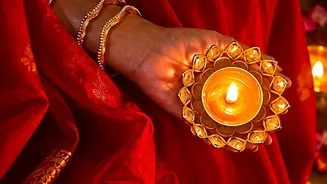



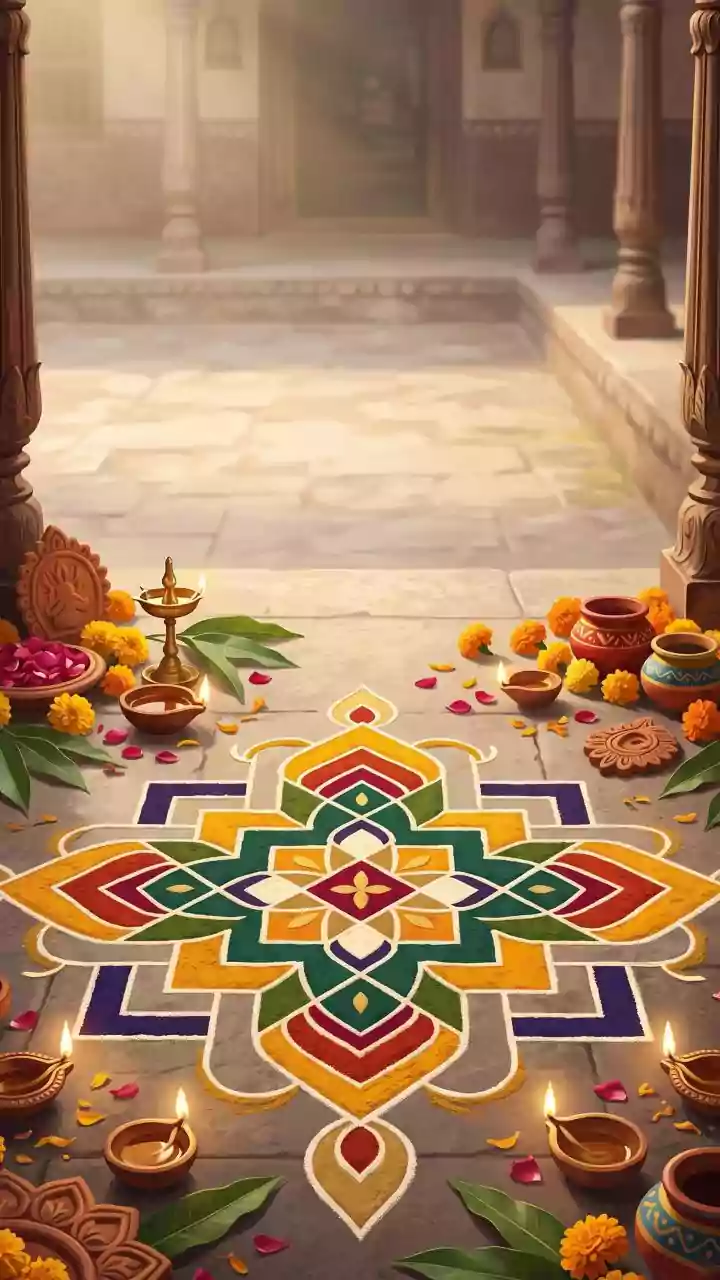

When we think of Diwali, we picture rows of diyas and fireworks. But high in the Himalayas, the festival of lights blends with ancient harvest rites and local legends, creating unique celebrations that are deeply connected to the mountains.
The Late Diwali of the Hills
In the remote
valleys of Uttarakhand and Himachal Pradesh, Diwali doesn't always arrive on time. Here, communities celebrate 'Budhi Diwali' or the 'Old Diwali', which takes place a full month after the nationwide festivities. According to one popular legend, the news of Lord Rama's victorious return to Ayodhya took a month to travel across the rugged mountain terrain, prompting a delayed celebration. Another belief ties it to the agricultural calendar; with the Kharif harvest complete, it marks a true time for farmers to rejoice. In some parts of Sirmaur, Himachal Pradesh, the festival is called 'Manshaari'. These celebrations often last for several days and are a testament to how geography has shaped culture, preserving traditions that are distinct from the plains.
Of Bonfires and Folk Dances
Budhi Diwali is less about commercial fireworks and more about communal fire and folk traditions. A central ritual in Uttarakhand's Garhwal and parts of Himachal is the 'Bhailo' or 'Chir', where bundles of pine or deodar wood are set alight and swung in mesmerising circles against the night sky. This ritual symbolises the triumph of light and is accompanied by the rhythmic beats of traditional drums like the 'dhol' and 'damau'. Villagers gather to sing folk tales and perform traditional circle dances, such as the Raso and Naati, often late into the night. While some older rituals involved animal sacrifice, many communities now offer coconuts instead, adapting ancient practices to modern sensibilities. These gatherings are a vibrant expression of social unity and joy.
Sikkim's Tihar: Honouring All Creatures
In Sikkim and the Darjeeling hills, Diwali is celebrated as 'Tihar', a five-day festival with a unique emphasis on honouring animals. Drawing from Nepali Hindu traditions, each day is dedicated to a different creature. The festival begins with 'Kaag Tihar', where crows are offered food to avert sorrow. The second day, 'Kukur Tihar', is for dogs, who are garlanded with marigolds, given a 'tika', and offered special treats as thanks for their loyalty. The third day, 'Gai Tihar', reveres the cow, a symbol of wealth, and coincides with Lakshmi Puja. The fourth day is for the ox, and the festival culminates with 'Bhai Tika', a celebration of the bond between brothers and sisters. This compassionate approach makes Tihar a truly distinctive celebration.
Harvest, Light, and New Beginnings
While directly linked to Diwali, the Himalayan celebrations also share a deep connection with the region's numerous harvest festivals. The timing of Budhi Diwali, after the autumn harvest is gathered, underscores its role as a festival of thanksgiving for agricultural communities. In Sikkim, the Bhutia and Lepcha communities celebrate their new year and harvest with the Losoong (or Namsoong) festival in December. Though distinct from Diwali, Losoong features spectacular 'Chaam' dances in monasteries to exorcise evil spirits and welcome the new year, echoing Diwali's theme of good triumphing over evil. These overlapping themes of light, harvest, and spiritual renewal paint a rich picture of how pan-Indian festivals are woven into the local cultural and agricultural fabric of the Himalayas, creating a diverse and beautiful mosaic of tradition.