

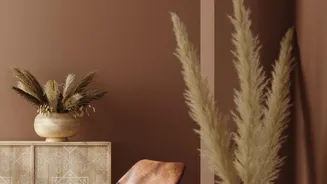

Why Go Natural in Small Spaces?
Before diving into specific materials, it's worth understanding why this trend has taken hold. Natural materials do more than just look good; they create a connection to the outdoors, which has a calming, stress-reducing effect—a concept known as biophilic
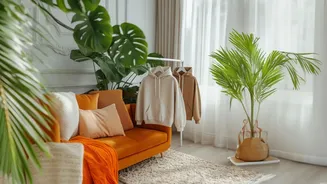
design. In compact urban apartments, this connection can make a home feel like a sanctuary. These materials are often sustainable and improve with age, adding character rather than wearing out. For small spaces, their textures and warm tones add depth and interest without overwhelming the eye, making a room feel more considered and less cluttered.
Rattan and Cane: The Champions of Lightness
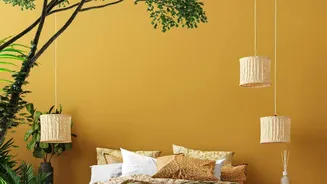
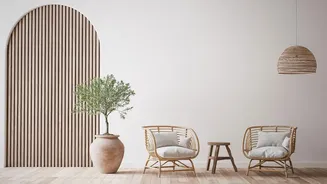
If there's one hero material for small spaces, it's rattan. Its woven, open structure allows light and air to pass through, creating an impression of spaciousness. Unlike a solid, bulky piece of furniture that can visually shrink a room, a rattan chair, side table, or cabinet feels light and airy. This makes it perfect for furniture that needs to be present without being overpowering. You can find it in everything from headboards to lampshades, and its warm, honey tone complements almost any colour scheme, adding texture without adding visual weight.
Jute and Sisal: Grounding Your Floors
One of the quickest ways to define and anchor a space is with a rug, and in the world of natural fibres, jute and sisal are king. These materials provide a neutral, textured foundation that works with nearly any decor style, from minimalist to bohemian. A jute rug can ground a living room arrangement or define a dining nook within a larger studio space. Its earthy texture adds warmth underfoot and provides a tactile contrast to smoother surfaces like wood or tile. Plus, being highly durable and relatively affordable, they are a practical choice for high-traffic areas.
Wood Finishes: Warmth and Authenticity
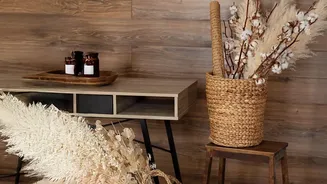
Wood is a timeless material that brings unmatched warmth to interiors. In small spaces, the key is to choose the right tones and applications. Lighter woods like bamboo or light-finished mango wood can make a space feel open and bright. Multifunctional wooden furniture—like a foldable dining table or a bench with built-in storage—is especially valuable in compact homes. Even small accents, such as reclaimed wood shelves, carved panels, or a solid wood side table, can add a layer of authenticity and craftsmanship that elevates the entire room.
Linen and Cotton: The Beauty of Breathability
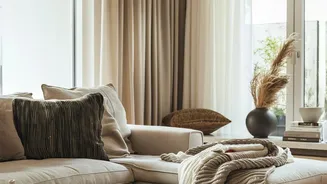
Don't underestimate the power of textiles. Swapping out synthetic fabrics for natural ones like linen and cotton can dramatically change the feel of a room. These materials are breathable, which helps create a healthier indoor environment. In a small bedroom, linen bedding offers a relaxed, lived-in elegance that feels both luxurious and comfortable. For living rooms, cotton or linen curtains in a light, neutral shade allow sunlight to filter through softly, maximizing natural light while maintaining privacy. These fabrics add softness and texture, making a small home feel cosy and inviting.
Terracotta and Clay: Earthy Accents
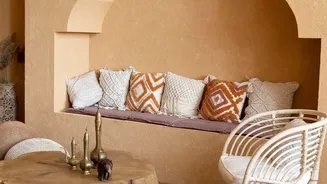
For a touch of earthy, rustic charm, look no further than terracotta and clay. These materials have been used in Indian homes for centuries and are now being celebrated in modern interior design. You don't need terracotta floors to embrace this trend. Small, impactful accents can do the trick. Think terracotta planters for your indoor plants, a handcrafted clay vase, or even an accent wall in a warm, earthy tone. These elements add a pop of warm colour and a handmade quality that feels both authentic and grounding.