





An Unprecedented Demand for Air Travel
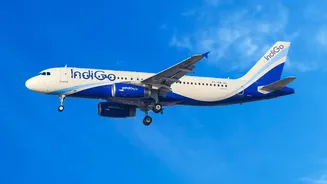
India is currently one of the world's fastest-growing aviation markets. A burgeoning middle class, rising disposable incomes, and enhanced regional connectivity have fueled an explosive demand for air travel. To meet this, Indian carriers like IndiGo,
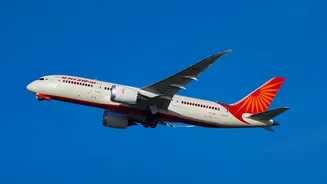
Air India, and Akasa Air have placed historic orders for new aircraft. In 2023 alone, Air India ordered 470 jets from Airbus and Boeing, while IndiGo placed a record-breaking order for 500 Airbus A320 family aircraft. Union Minister for Commerce and Industry, Piyush Goyal, recently stated that India has over 1,200 planes on order and is ready to order another 1,000, highlighting the nation's total requirement of over 2,000 aircraft to bridge the capacity gap.
The Global Production Bottleneck
Despite the massive orders, deliveries are lagging significantly. This isn't a problem unique to India; aircraft manufacturers Airbus and Boeing are facing a global crisis that began during the pandemic. Production slowed down and has struggled to recover due to persistent supply chain disruptions, including shortages of essential raw materials, engines, and other key components. A lack of skilled labor has further compounded the issue. These manufacturers are managing enormous order backlogs from airlines across the globe, with some delivery timelines for Indian carriers stretching as far as 2034.
Government Intervenes to Ease the Shortage
Recognizing the delivery delays as a critical constraint on the nation's economic growth, the Indian government has begun to apply pressure. Minister Piyush Goyal has been vocal about the 'acute' shortage of aircraft and confirmed that the government is actively 'pursuing the established manufacturers of aircraft for faster supplies'. This intervention underscores the strategic importance of the aviation sector. Robust air connectivity is vital not just for passenger convenience but also for trade, tourism, and regional development, which are all key pillars of India's growth ambitions. Goyal's push signals that New Delhi sees aircraft availability as a central challenge to the sector's next phase of expansion.
What Delayed Deliveries Mean for Passengers
For the everyday traveller, this high-level supply chain issue has tangible consequences. A shortage of available aircraft when demand is high inevitably leads to a capacity crunch. This mismatch between supply and demand can result in higher airfares, as airlines have fewer seats to sell. Passengers may also face reduced flight frequencies on certain routes or even outright cancellations as airlines struggle to deploy their limited fleet effectively. The delays also force carriers to operate older planes for longer, which increases maintenance costs and can raise potential safety concerns. Ultimately, the speed at which new planes arrive will directly impact the cost and convenience of flying for millions of Indians.