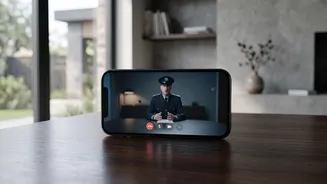









A call from the 'police' or 'CBI' accuses you of a crime. They say you are under 'digital arrest' and must stay on a video call. This isn't a movie plot; it's a real scam designed to create panic and drain your bank account.
What is a 'Digital Arrest'?
First, it is crucial to understand
that 'digital arrest' is not a real legal procedure in India. It is a term invented by fraudsters for a sophisticated extortion scheme. Scammers impersonate officials from law enforcement agencies like the police, CBI, or Enforcement Directorate, or regulatory bodies like the Telecom Regulatory Authority of India (TRAI). They create a false emergency, accusing their target of being linked to serious crimes like money laundering, drug trafficking, or terrorism to cause fear and confusion. The entire interaction happens over the phone or on video call platforms like Skype and WhatsApp, where they use psychological pressure to manipulate their victims.
The Anatomy of the Scam
The fraud unfolds in carefully planned stages. It often begins with an automated voice call or a direct call from someone claiming to be from TRAI or a courier company. They might allege that a SIM card registered in your name has been used for illegal activities or that a parcel containing contraband like drugs or fake passports has been seized. The call is then 'transferred' to a senior 'officer'. This is when the intimidation escalates. On a video call, the scammer, often in a uniform and sitting in a room designed to look like a police station, will present fake arrest warrants, FIRs, and other official-looking documents. These forgeries, which may even contain the victim's leaked personal details, lend a terrifying air of legitimacy to the scam.
The Psychological Trap: Isolation and Fear
The core of the scam is psychological manipulation. Once the victim is frightened, the fraudsters place them under 'digital arrest', ordering them not to disconnect the call or speak to anyone else. This isolation is a key tactic, preventing the victim from seeking advice from family or verifying the claims. They are often forced to remain on a continuous video call for hours, or even days, under constant surveillance. The scammers use a combination of threats—imminent arrest, freezing of bank accounts, public humiliation—and false reassurance, suggesting that if the victim cooperates, their name can be cleared. This creates a high-pressure environment where panic overwhelms rational thinking.
The Final Step: Draining the Account
The endgame is always financial extortion. The scammers instruct the victim to transfer money to 'resolve' the case. They might claim the funds are needed for 'verification' or to move their savings into a 'secure government account' or an 'RBI account' while the investigation is ongoing, promising a full refund within a short period. Under duress, victims transfer their life savings, sometimes even taking out loans to meet the demands. The money is rapidly funnelled through a complex network of mule bank accounts, making it extremely difficult to trace and recover. Once the transfer is complete, the scammers disappear.
How to Protect Yourself and What to Do
The most powerful defence is awareness. No legitimate law enforcement agency, including the police, CBI, or TRAI, will ever contact you to demand money over the phone or conduct an investigation via video call. They do not ask for OTPs or bank details. If you receive such a call, remember these key points:
Hang Up Immediately: Do not engage with the caller. The longer you stay on the line, the more they can manipulate you. Your first and best action is to disconnect the call.
Never Transfer Money: No official will ever ask you to transfer funds to 'prove your innocence' or secure your accounts. Any demand for payment is a definitive red flag.
Talk to Someone: Break the isolation. Immediately tell a family member or trusted friend about the call. Scammers rely on secrecy to maintain control.
Verify Independently: If you are concerned, contact your local police station using their official, publicly listed phone number to check if there is any genuine case against you.
* Report the Incident: Even if you haven't lost money, report the scam call. Dial the national cybercrime helpline at 1930 or file a report online at cybercrime.gov.in. This helps authorities track these networks.