



The Great Himalayan Traffic Jam
For decades, names like Shimla, Manali, and Nainital were synonymous with summer relief and scenic beauty. Today, they are increasingly associated with overcrowding, bumper-to-bumper traffic, and overflowing hotels. Recent reports from this year show
roads leading to these popular destinations are frequently choked with vehicles, with local infrastructure straining under the pressure. This phenomenon of 'overtourism' isn't just about inconvenience; it's about the erosion of the very peace and natural charm that travelers seek. Young Indians, armed with a desire for genuine experiences over checklist tourism, are finding that the idyllic mountain escape they envisioned is often lost in a sea of selfie sticks and commercialization.
The Allure of the Sahyadris
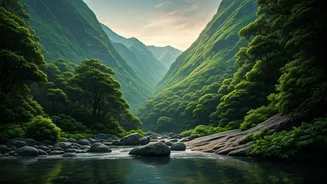
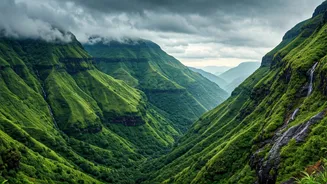
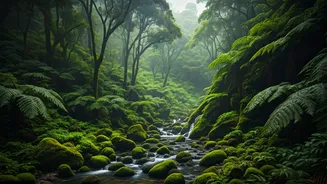
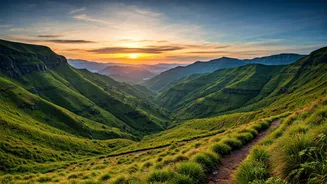
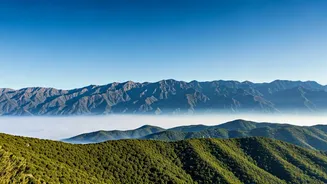
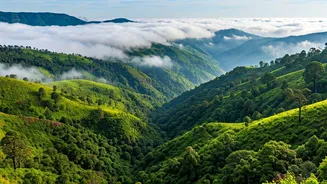
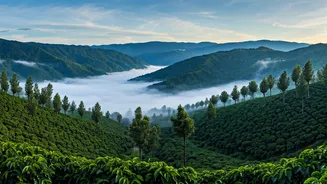
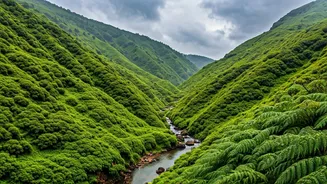
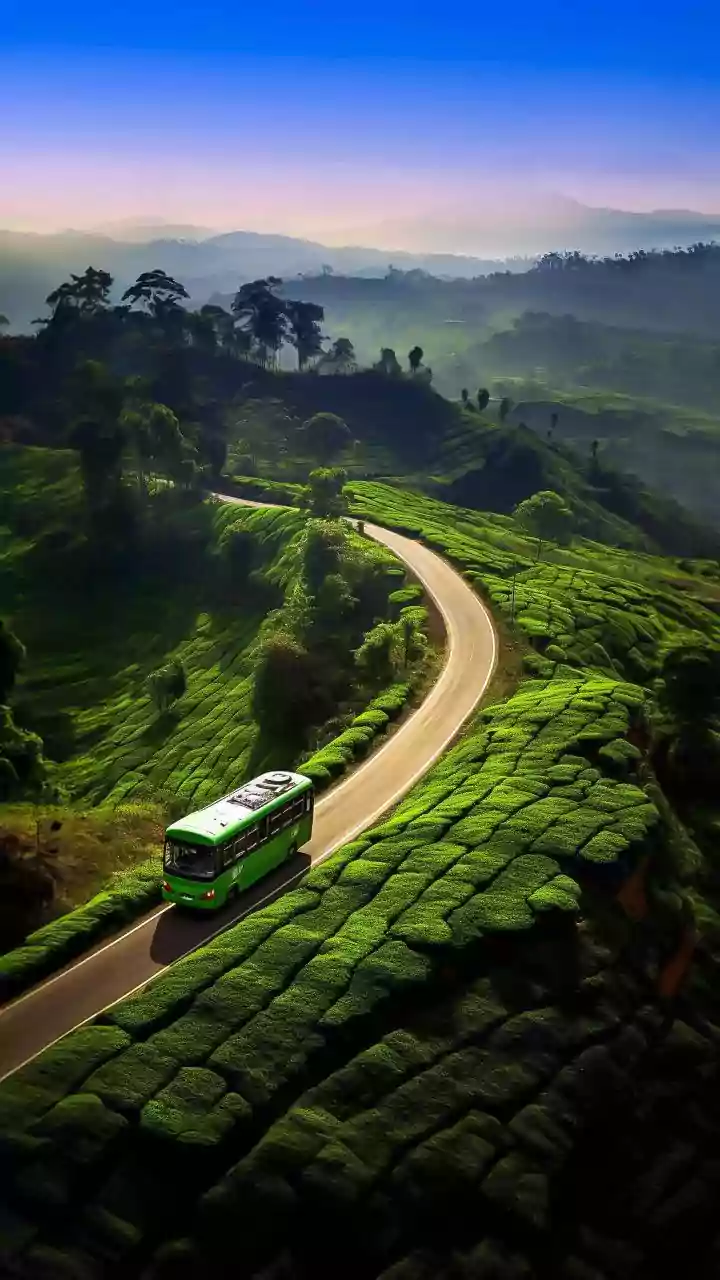
Enter the Western Ghats. Older than the Himalayas, this UNESCO World Heritage Site is a 1,600-kilometer-long chain of mountains running parallel to India's western coast through states like Maharashtra, Goa, Karnataka, Kerala, and Tamil Nadu. Unlike the singular, snow-capped grandeur of the Himalayas, the Ghats offer a different kind of magic: a sprawling, biodiverse landscape of dense rainforests, misty shola grasslands, spice plantations, and countless waterfalls. For a generation prioritizing unique experiences, the Ghats present a vast, unmanicured playground waiting to be explored.
A Quest for Authentic Experiences
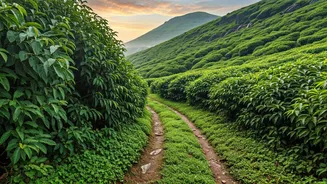
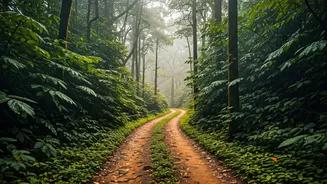
The shift towards the Western Ghats is part of a larger trend where young travelers prioritize authenticity and cultural immersion. Instead of predictable tourist hubs, they seek destinations that offer a real connection to nature and local life. The Ghats deliver this in abundance. Travelers can stay in eco-lodges, explore coffee and tea estates in Coorg and Munnar, learn about local cuisine that changes every few hundred kilometers, and interact with communities engaged in sustainable tourism. This move is less about avoiding crowds and more about finding meaningful, low-impact ways to travel.
The Magic of the Monsoon
Perhaps the biggest differentiator for the Western Ghats is its appeal during the monsoon. While the northern hills can become prone to landslides and are often avoided from June to September, the Ghats come alive. The entire landscape transforms into a vibrant green paradise, with waterfalls like Dudhsagar and Athirappilly at their thunderous best. A new wave of 'monsoon tourism' has emerged, with travelers flocking to experience firefly festivals in Maharashtra, go on frog-watching expeditions in Agumbe, and take on misty, leech-filled treks through the rainforests of Kerala and Karnataka. These niche, seasonal experiences offer a unique thrill that crowded summer towns cannot match.
Adventure Around Every Corner
The Western Ghats are an adventurer's dream, offering a far more diverse range of activities than many commercialized hill stations. The options extend beyond a simple viewpoint or main market road. Young people are drawn to challenging treks to ancient forts in Maharashtra, wildlife safaris in search of elephants and tigers in Periyar and Kabini, and kayaking in the backwaters that originate in the hills. This focus on activity-based travel aligns with the desire of Gen Z and millennials to do more than just see a place; they want to experience it actively.