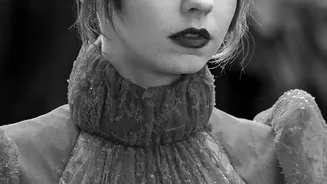






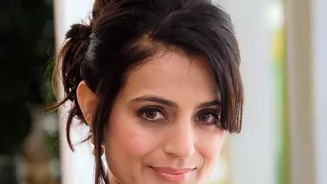
What Are Face-Framing Fringes?
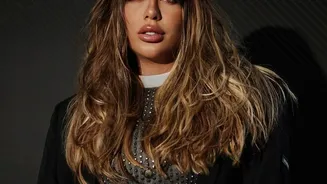
Unlike a traditional blunt fringe that cuts a straight line across the forehead, face-framing pieces are all about creating soft, blended layers that contour and highlight your features. Think of them as a strategic detail designed to draw attention to your eyes
and cheekbones. The most popular style is the 'curtain bang,' which is parted in the middle and sweeps outward to each side, creating a shape like an open curtain. However, the category also includes longer, wispier tendrils and soft, side-swept sections that seamlessly merge into the rest of your hair. The goal is to create movement and shape right where it matters most.
The Universal Appeal of a Softer Fringe
One of the biggest reasons for the enduring popularity of face-framing styles is their incredible versatility. They are considered a low-commitment entry into the world of bangs because they grow out gracefully, blending into longer layers rather than creating an awkward, blocky stage. This makes them a flattering choice for a wide variety of face shapes and hair textures. Whether your hair is curly, wavy, or straight, a well-cut fringe can add dimension and a touch of effortless polish. Celebrities like Dakota Johnson, Sabrina Carpenter, and Selena Gomez have all made face-framing pieces part of their signature looks, showcasing how adaptable the style can be.
Finding the Perfect Fringe for Your Face Shape
While face-framing fringes are famously flattering, tailoring the cut to your specific face shape can make it even more effective. For round faces, longer curtain bangs that sweep past the cheekbones can create an elongating effect. Square faces benefit from soft, wispy, or layered fringes that soften a strong jawline. Heart-shaped faces are beautifully balanced by a fringe that is shorter in the middle and gets longer toward the sides, drawing attention away from a wider forehead. Those with oval or long faces have the most versatility and can experiment with everything from blunter, heavier bangs to soft, feathered styles.
How to Ask Your Stylist for the Right Cut
Clear communication in the salon chair is key to getting the fringe you want. Instead of just asking for 'bangs,' be specific. Use phrases like 'soft, face-framing curtain bangs' or 'long, wispy pieces that blend into my layers'. Bringing inspiration photos is one of the best ways to show your stylist what you have in mind. It's also helpful to point to exactly where you want the shortest part of the fringe to fall—whether it's at your brow, cheekbone, or chin. Ask your stylist to cut the bangs on dry hair, or at least check the length when dry, as hair can shrink and appear shorter.
Styling and Maintenance at Home
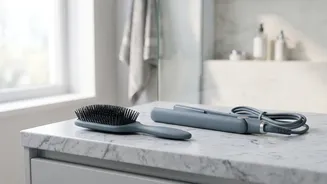
Maintaining your new look doesn't have to be complicated. For a classic curtain bang sweep, use a medium round brush to blow-dry the pieces away from your face. A flat iron can also be used to create a gentle bend outward. For a more lived-in, textured look, you can let your fringe air-dry with a bit of styling cream. To keep the shape fresh, plan for a quick trim every four to six weeks, as the fringe will naturally grow out. Many stylists offer complimentary fringe trims between regular haircut appointments to help you maintain the perfect length.