

The Power of a Conscious Breath
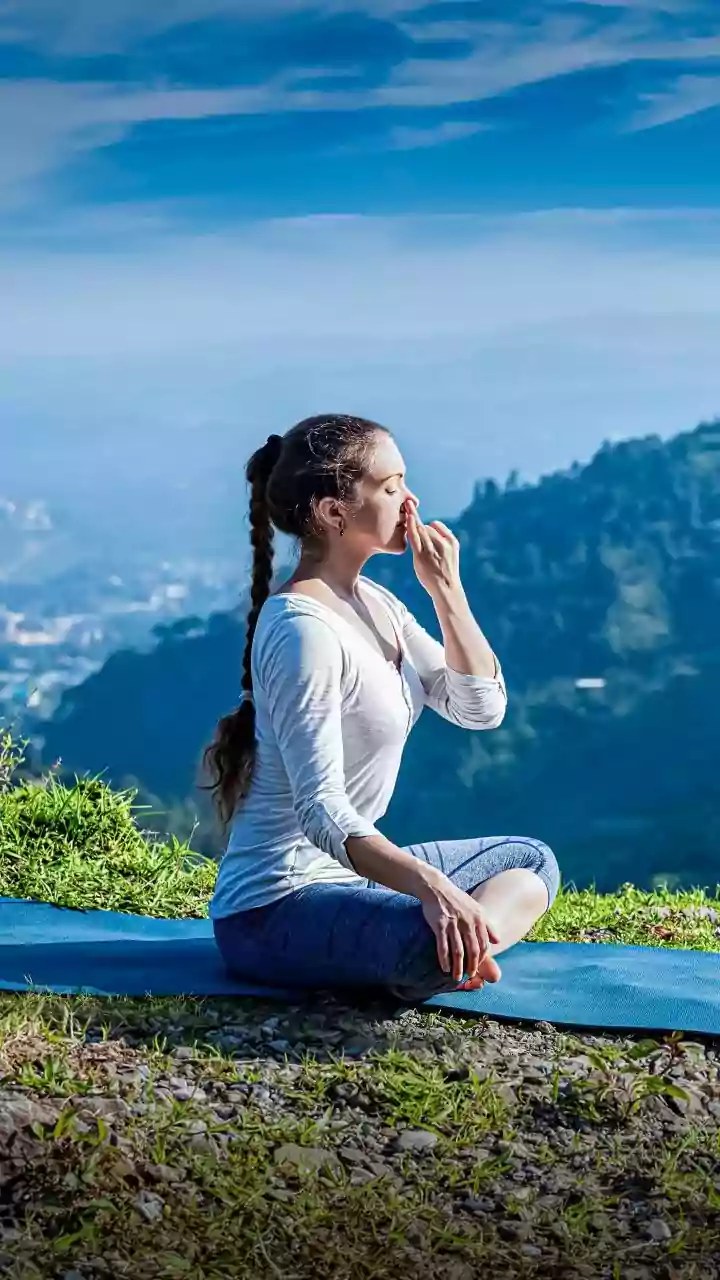
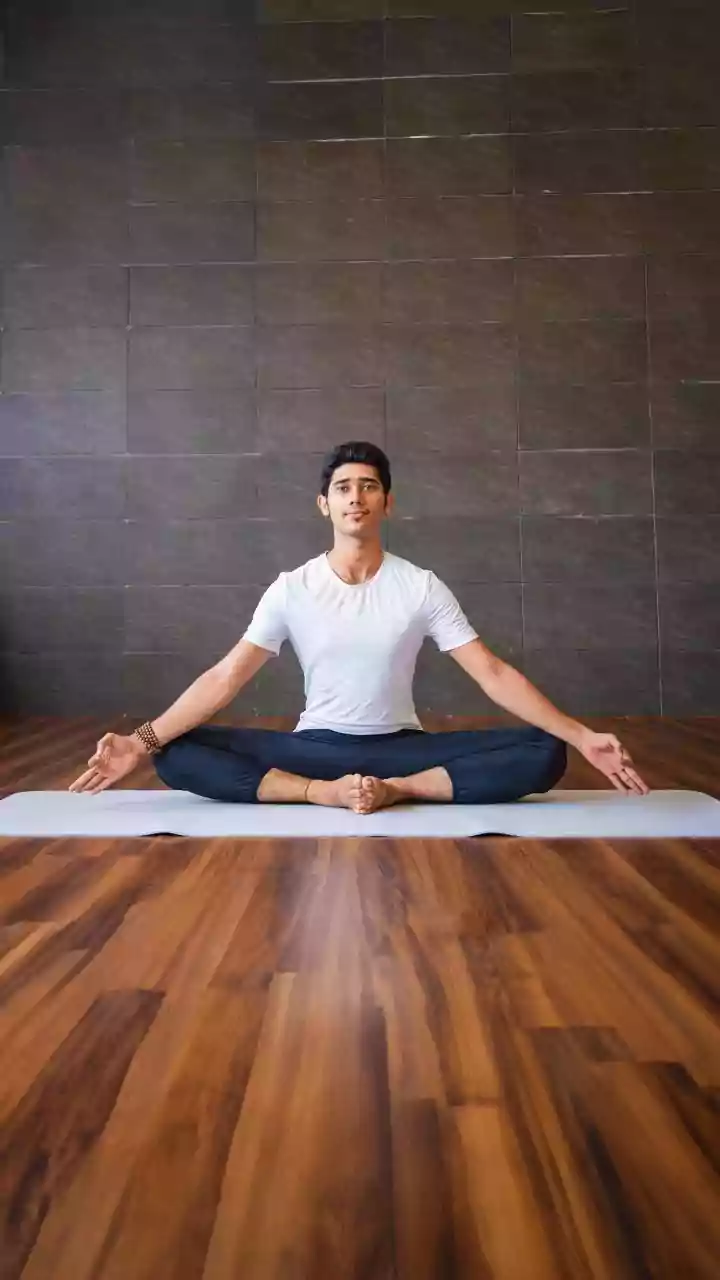
Before diving into poses, it’s important to understand the foundation of yoga's calming effect: the breath. When we are stressed, our breathing becomes shallow and rapid. By consciously slowing down and deepening the breath, we send a signal to our nervous
system that it is safe to relax. This process helps lower the stress hormone cortisol, reduces heart rate, and clears the mind. Encourage your teen to start by simply sitting comfortably and taking five deep breaths, inhaling through the nose and exhaling slowly. This simple act alone can create a noticeable shift in their mental state, making it a perfect starting point before tackling a study session.
Desk-Friendly Neck and Shoulder Rolls
Hours spent hunched over textbooks or a laptop inevitably lead to a stiff neck and tense shoulders. This is where teens physically carry much of their academic stress. A simple seated stretch can provide immediate relief. While sitting upright in a chair, gently drop the right ear towards the right shoulder, holding for a few breaths to feel a light stretch along the left side of the neck. Repeat on the other side. Follow this by slowly rolling the shoulders up towards the ears on an inhale, and then down and back on an exhale. Repeating this five times can melt away tension and prevent stress-induced headaches, all without leaving the study space.
Cat-Cow Stretch (Marjaryasana-Bitilasana)
This gentle, flowing movement is perfect for waking up a tired spine after long periods of sitting. Start on hands and knees, with wrists under shoulders and knees under hips. On an inhale, drop the belly, lift the chest and tailbone, and look forward (Cow Pose). On an exhale, round the spine towards the ceiling, tucking the chin to the chest (Cat Pose). The key is to link the movement to the breath, creating a moving meditation. This stretch not only releases tension in the back, neck, and shoulders but also improves blood flow to the brain, which can enhance cognitive function and memory.
Child’s Pose (Balasana)
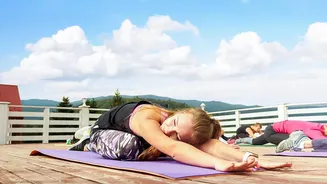
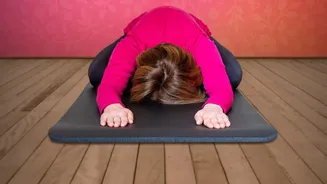
Child’s Pose is a deeply restorative posture that signifies rest and surrender. To practice, kneel on the floor, sit back on your heels, and fold forward, resting your forehead on the ground. Your arms can be stretched out in front of you or resting alongside your body. This pose gently stretches the lower back, hips, and thighs while calming the mind. Its inward-facing nature helps to quiet the noise of external pressures and anxieties. Holding this pose for a minute or more while breathing deeply can significantly reduce feelings of being overwhelmed, making it an ideal reset button during a stressful day.
Legs-Up-The-Wall Pose (Viparita Karani)
Perhaps the most relaxing pose in yoga, Legs-Up-The-Wall requires minimal effort for maximum benefit. To get into the pose, sit with one hip against a wall, then swing your legs up the wall as you lie back on the floor. Your body should form an 'L' shape. This gentle inversion helps to calm the nervous system, reduce swelling in tired legs and feet, and alleviate fatigue. It's an excellent way to improve circulation after hours of being sedentary. Spending five to ten minutes in this position before bed can also promote better sleep, which is crucial for memory consolidation and feeling refreshed for another day of studying.