





A Celestial Oasis in the Himalayas
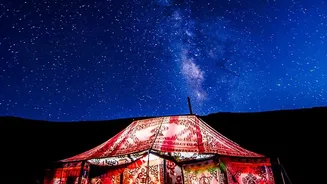
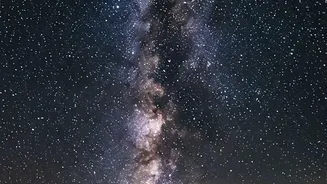
Nestled high in the Changthang plateau, the remote village of Hanle in Ladakh is an astronomer's dream. At an altitude of about 4,500 metres, its thin, dry air and over 300 clear nights a year provide exceptionally clear views of the cosmos. This is why
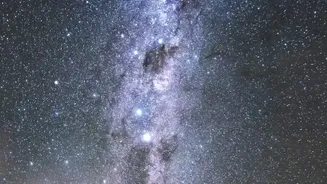
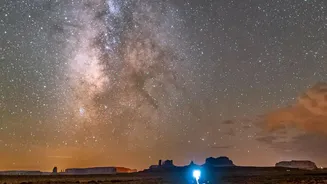
it was chosen as the location for the Indian Astronomical Observatory, one of the highest in the world. The region's skies are rated Bortle 1, the darkest classification possible, meaning the Milky Way is visible in stunning detail to the naked eye. This celestial clarity is not just a scientific asset; it is a profound natural heritage, offering a view of the universe that is increasingly rare across the globe.
The Creeping Threat of Light Pollution
Even in this isolated paradise, the modern world's glow is a growing threat. Light pollution, the excessive and misdirected use of artificial light, doesn't just obscure the stars; it has serious environmental consequences. It disrupts the navigation, hunting, and breeding patterns of nocturnal wildlife and can even impact human health by interfering with our natural sleep cycles. As Ladakh's popularity as a tourist destination grows, the rise in homestays and vehicle traffic brings with it more artificial light. Headlights and unshielded outdoor lamps can create 'skyglow', a brightening of the night sky that threatens the sensitive work of the observatory and diminishes the very spectacle that draws visitors.
India's First Dark Sky Reserve
To combat this threat, a groundbreaking initiative was launched. In December 2022, a 22-kilometre radius around the Hanle observatory was officially designated as India's first Dark Sky Reserve. This designation, a result of a collaboration between the Ladakh administration, the Ladakh Autonomous Hill Development Council, and the Indian Institute of Astrophysics (IIA), establishes a framework for preserving the night sky. The term 'stargazing sanctuaries' in the headline refers to this protected zone and the specific rules enforced within it to create a haven for dark skies, protecting it from encroaching light pollution. A Dark Sky Reserve is an area where policies are enacted to reduce artificial light and protect the natural darkness.
How the Sky Sanctuaries Work
The Hanle Dark Sky Reserve operates under a strict Light Management Plan. Simple but effective rules are in place for both locals and tourists. Vehicle headlights must be on low beam within the reserve, and signs remind drivers of this rule. For homes and businesses, the regulations focus on responsible lighting. This includes using warm-coloured bulbs instead of harsh white ones, installing shades on outdoor lights to direct them downwards, and using thick curtains to prevent light from spilling out of windows. The IIA, with funding from the UT administration, has distributed these materials to every house within the reserve to ensure compliance and community participation. Visitors are encouraged to use red-filtered lights for navigation, as red light is less disruptive to night vision.
A New Dawn for Astro-Tourism
The Hanle Dark Sky Reserve is more than a conservation project; it is a pioneering model for sustainable development. A key component is the promotion of astro-tourism, which provides economic opportunities for the local community. The Indian Institute of Astrophysics has trained dozens of local villagers, many of them women, to become 'Astronomy Ambassadors' or 'astropreneurs'. These guides are equipped with telescopes and the knowledge to lead stargazing sessions for tourists, offering an authentic and educational experience. This approach ensures that the community benefits directly from the preservation of their unique environment, creating a powerful incentive to protect the darkness that makes Hanle so special.