




The Great Indian Road Trip Renaissance
A key driver of this transformation is the remarkable expansion of India's highway network. The government's focus on building new expressways, like the Delhi-Mumbai and Mumbai-Nagpur corridors, has drastically cut travel times and made previously remote
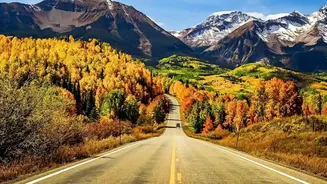
locations more accessible. This infrastructure boom is fuelling a road trip renaissance. Travellers are increasingly opting for the flexibility and control that comes with their own vehicle, whether owned or rented. According to recent data, while major metro corridors remain busy, the fastest growth is on routes connecting Tier-II cities and popular leisure destinations. This trend suggests a move away from the traditional multi-state dash towards more focused, regional explorations, with travellers preferring the journey itself to be part of the experience.
A Growing Hunger for Nature and Authenticity
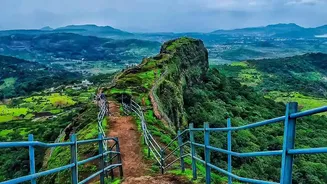
This newfound mobility is coupled with a powerful desire for authentic experiences and a connection with nature. Travellers are actively choosing unexplored destinations over overcrowded tourist traps. The focus is shifting from merely seeing a place to truly experiencing it. This has led to the rise of eco-tourism and sustainable travel, which is no longer a niche but a mainstream preference. There's a growing demand for eco-resorts, green homestays, and community-based tourism models that offer a more intimate and responsible way to travel. States like Kerala and Sikkim are leading the charge with established responsible tourism initiatives. This movement is about more than just pretty landscapes; it is about seeking meaningful stays, engaging with local communities, and minimizing one's environmental footprint.
The Call of the Wild
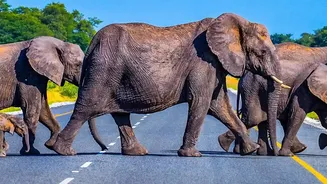
Perhaps the most exciting facet of this trend is the surging interest in India's wildlife. Home to a significant portion of the world's wild tiger population, India's national parks are becoming global hotspots. Wildlife tourism is experiencing an annual growth rate of around 15%, driven by a desire for immersive encounters with nature. Travellers are venturing beyond the famous reserves like Ranthambore and Corbett to discover lesser-known gems such as Satpura, Panna, and Tadoba, which offer incredible biodiversity and quieter experiences. This evolution is moving beyond simple jeep safaris. The modern wildlife tourist seeks deeper engagement, whether through walking safaris, river cruises in parks like Periyar, or stays at eco-lodges that actively contribute to conservation. This interest is not just about spotting a tiger; it's about appreciating the entire ecosystem and supporting the communities that help protect it.
What's Driving the Shift?
Several factors are converging to create this perfect travel storm. The recent memory of lockdowns has instilled a greater appreciation for open spaces and nature. Furthermore, improved infrastructure has made spontaneous and flexible travel more feasible than ever before. There is also a growing environmental consciousness among Indian travellers, who are increasingly seeking sustainable and responsible options. The result is a traveller who is more curious, more adventurous, and more mindful. They are not just looking for a holiday, but for an enriching experience that connects them to their own country in a more meaningful way. The trend is clear: the future of Indian travel lies in its vast, beautiful, and wild backyard.