







Why Humidity Makes You So Tired
We’ve all felt it. That sluggish, heavy feeling that descends when the air is thick with moisture. It’s often called 'humid fatigue,' and it’s not just in your head. When humidity is high, the sweat on your skin cannot evaporate efficiently. Evaporation
is your body’s primary cooling mechanism. When it’s impaired, your body has to work overtime to regulate its internal temperature. This extra effort diverts energy from other functions, leading to feelings of exhaustion, lethargy, and even brain fog. Your heart may pump harder, and you might feel perpetually dehydrated even if you’re drinking water. This constant, low-level strain is what makes humid days so uniquely draining, turning simple tasks into monumental efforts.
Enter Ginger: An Ancient Ayurvedic Ally
For centuries, ginger (adrak) has been a cornerstone of Indian home remedies and Ayurvedic medicine. It's the first thing our mothers and grandmothers reach for to soothe a sore throat, calm an upset stomach, or fight off a cold. This isn't just folklore; modern science backs up many of these traditional uses. Ginger’s power comes from its active compounds, most notably gingerol. Gingerol is a potent anti-inflammatory and antioxidant agent. Inflammation and oxidative stress are cellular-level processes that can contribute significantly to feelings of fatigue and malaise. By helping to combat this internal stress, ginger can support your body’s overall energy levels and resilience, making it a perfect ingredient to counter the physical toll of a humid climate.
The Science of Hydration and Ginger
So, how does turning ginger into a drink specifically help with humid fatigue? The answer lies in a powerful two-pronged attack. Firstly, and most obviously, ginger water is an excellent hydrator. Fatigue is one of the first signs of dehydration, a condition exacerbated by the ineffective sweating that occurs in high humidity. Simply drinking more fluids is crucial. Secondly, by infusing that water with ginger, you’re delivering its anti-inflammatory benefits directly to your system. This combination helps your body on two fronts: it replenishes the fluids you’re losing while simultaneously helping to mitigate the internal stress caused by overheating. The subtle, spicy kick of ginger can also be invigorating, providing a sensory boost that helps cut through the mental sluggishness associated with fatigue.
How to Make Your Own Ginger Water
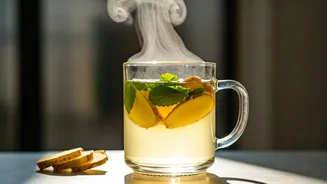
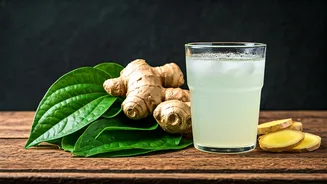
Making this refreshing elixir is incredibly simple. You don't need any fancy equipment. For a daily batch, take a one-to-two-inch piece of fresh ginger. Choosing organic ginger is a good idea to avoid pesticides and ensure a cleaner flavour, but any fresh, firm ginger will work. Wash it thoroughly and grate it finely (no need to peel if it's organic and well-cleaned). Bring about one litre of water to a boil, add the grated ginger, turn off the heat, and let it steep for 10-15 minutes. For a stronger flavour, you can let it steep longer. Strain the water into a jug or bottle and let it cool. You can drink it warm like a tea or chill it in the refrigerator for a cool, refreshing drink. For added flavour and benefits, squeeze in the juice of half a lemon or add a teaspoon of raw honey after it has cooled slightly.
More Than Just a Fatigue Fighter
While it's a fantastic tool for beating the monsoon blues, regular consumption of ginger water offers a host of other wellness benefits. Its most famous use is as a digestive aid. Ginger can help soothe indigestion, reduce bloating, and calm nausea. This makes it a wonderful drink to have after a heavy meal. Furthermore, its anti-inflammatory and antibacterial properties can help boost your immune system, making you more resilient to seasonal coughs and colds that are common during weather changes. It’s a simple, low-calorie, and natural way to support your body’s key functions, from your gut to your immune response, making it a valuable addition to your daily wellness routine, far beyond just the humid season.