







The Slow Decline of the 'Everything' Menu
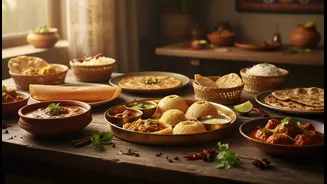
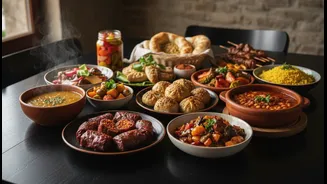
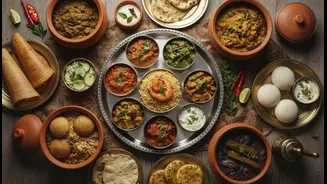
For decades, the hallmark of many Indian restaurants was the encyclopedic menu. It promised a culinary tour of the subcontinent in one sitting, a testament to variety that aimed to please every palate. But this something-for-everyone approach often results
in a master-of-none reality. Kitchens become stretched, relying on generic base gravies and frozen ingredients to manage an unwieldy inventory. The result is a dispiriting homogeneity where a Murgh Makhani and a Paneer Lababdar taste suspiciously similar. This model is fading as both chefs and diners mature. There's a growing realisation that Indian food isn't a single category, but a collection of distinct culinary traditions. As chef Manish Mehrotra of Indian Accent fame has noted, trying to represent all of it on one menu is a disservice to the depth and history of each regional cuisine.
Selectivity: A Sign of Confidence
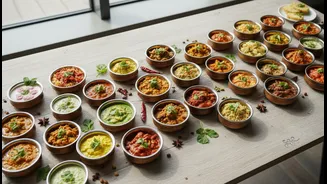
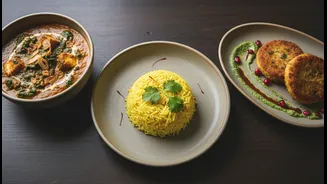
A shorter, more focused menu is a powerful statement of intent. It tells you the kitchen has a point of view and the confidence to execute it flawlessly. Rather than offering a dozen chicken dishes, a selective menu might perfect just two or three. This focus allows for fresher ingredients, greater consistency, and a more refined cooking process. Restaurants like Masque in Mumbai, which are ingredient-driven and offer tasting menus, exemplify this philosophy. By limiting their scope, they can concentrate on sourcing the best local produce and perfecting every element on the plate. A selective menu is also more sustainable, reducing food waste by ensuring a high turnover of a smaller list of ingredients. For the diner, it transforms the paradox of choice into a guided, trusting experience where every dish is guaranteed to be a thoughtful representation of the chef's vision.
Specificity as Authentic Storytelling
The most exciting trend in modern Indian dining is the move toward hyper-regionality. Instead of a generic 'North Indian' or 'South Indian' section, menus are now proudly declaring their allegiance to specific states, communities, or culinary traditions. Restaurants are digging deep into the cuisines of Chettinad, Kerala, the Awadhi court, or tribal communities. This specificity turns a meal into a story. A restaurant like Kappa Chakka Kandhari, for instance, doesn't just serve Keralan food; it preserves and celebrates time-tested recipes that might otherwise be forgotten. When a menu offers a dish with a specific origin—like a Rajasthani ker sangri or a Kashmiri nadru yakhni—it's offering more than just flavour; it's offering a taste of place, history, and culture. This narrative approach fosters a deeper connection to the food, making the dining experience more memorable and meaningful.
The Power of a Well-Explained Dish
A great menu is a conversation, not just a list. Explanation is the final, crucial piece of the puzzle. It’s no longer enough to just name a dish. Today’s diners are curious; they want to know the story behind their food. Where do the spices come from? What is the cultural significance of this recipe? Why is it called 'Grandma's recipe'? A well-written description, or a well-trained server who can narrate the dish's journey, elevates the entire meal. It transforms diners from passive consumers into active participants in a cultural experience. This storytelling might explain the 'dum pukht' slow-cooking technique or the sourcing of peppercorns from a specific estate in Coorg. It educates the palate and builds a bridge between the kitchen's passion and the diner's appreciation, making the act of eating a genuine journey of discovery.