




The Predictable Chaos of Monsoon Travel
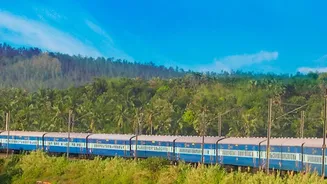
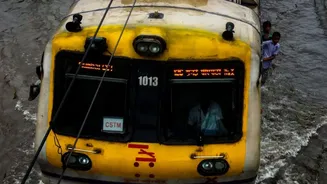
Every year, as the monsoon sweeps across the country, it brings a familiar set of challenges for Indian Railways and its passengers. Heavy rainfall leads to waterlogged tracks, especially in low-lying areas, forcing trains to slow down or halt entirely.
Recent events in early July 2026 showed how severe waterlogging and landslides in regions like the Mumbai-Pune corridor can lead to the cancellation or diversion of over 100 trains, leaving thousands of passengers stranded. These disruptions are not unexpected; they are a recurring reality. Key routes, particularly in the ghat sections of the Western Ghats and coastal areas, are highly susceptible to landslides and track damage. Despite pre-monsoon preparations by the railways, such as cleaning drains and inspecting vulnerable spots, extreme weather often overwhelms these measures. The result is a domino effect of delays, short-terminations, and diversions that can unravel travel plans in an instant.
Why a Refund Is Not a Rescue Plan
When a train is cancelled by the railways, passengers are entitled to a full refund, which is automatically processed for e-tickets. While this policy ensures you don't lose money on the ticket itself, it does little to solve your immediate problem: you are still at point A, needing to get to point B, and possibly stranded. A refund that arrives in your bank account days later is no substitute for an actual mode of transport. The real cost of a last-minute cancellation is not the ticket fare, but the inflated prices of alternative travel options. A flight that would have cost a few thousand rupees if booked in advance can skyrocket to three or four times that price for a same-day booking. Similarly, bus tickets on popular routes sell out quickly, leaving travellers with limited, often less comfortable, choices. Relying solely on a railway refund is a reactive strategy that leaves you at the mercy of surge pricing and low availability.
Crafting a Resilient Plan B
A smart travel plan for the monsoon season goes beyond just a confirmed train ticket. It involves building a multi-layered backup strategy. The first step is research. Before your journey, identify the most likely alternative modes of transport. Apps like MakeMyTrip, Yatra, and EaseMyTrip allow you to check flight and bus availability and pricing in real-time. For bus journeys, redBus is an invaluable tool. Consider the geography of your route. If you are travelling between major cities with airports, have a general idea of flight schedules and typical last-minute costs. For shorter routes, identify the most reliable bus operators. The second step is financial readiness. Have a contingency fund set aside specifically for travel disruptions. This buffer can cover the extra cost of a last-minute flight or a night's stay in a hotel near the station if you get stranded. Booking flexible or refundable hotel rooms through platforms like Booking.com can also provide a safety net. Finally, build buffer time into your itinerary. Avoid scheduling critical appointments or connecting journeys too close to your expected arrival time.
Leverage Technology as Your Co-Pilot
In an era of smartphones and constant connectivity, information is your greatest asset. Use technology to stay ahead of disruptions. The official IRCTC Rail Connect app and third-party apps like ixigo and RailYatri provide live train running status, PNR predictions, and cancellation updates. Set up alerts for your train so you are notified of delays or status changes. Use weather apps to monitor conditions along your route, especially in the hours leading up to your departure. If things start to look uncertain, you can begin activating your backup plan before you even leave for the station. Keep your phone and a power bank fully charged. In case of a disruption, you will need your phone to check alternatives, make new bookings, and inform family or colleagues about your change of plans. Keep digital and physical copies of your essential documents in a waterproof bag or pouch for protection.