



Hanle, Ladakh: India's Celestial Crown
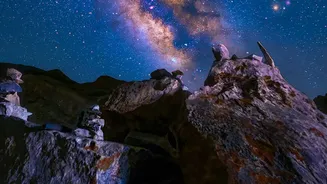
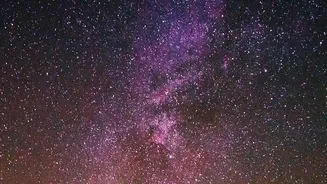
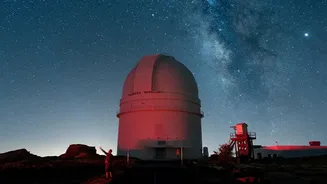
Topping any list of celestial destinations is Hanle, home to India's first-ever Dark Sky Reserve. Located in the remote Changthang region of Ladakh, this high-altitude cold desert offers what is arguably the best stargazing in the country. Its bone-dry
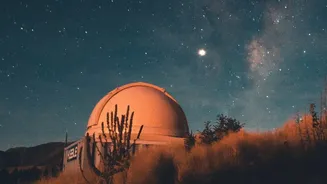
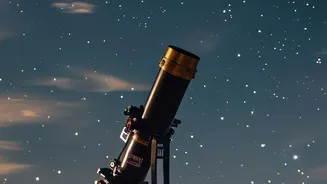
air, minimal light pollution, and high elevation (around 4,500 metres) create exceptionally clear skies. This is why it houses the Indian Astronomical Observatory. On a clear, moonless night, the Milky Way is so bright it can cast a faint shadow. The reserve is a community-driven effort, with local villagers trained as 'Astronomy Ambassadors' to guide visitors with telescopes. The best time to visit is from May to October when the weather is accessible. A trip here is not just a holiday; it is an immersive astronomical experience.
Spiti Valley, Himachal Pradesh: A High-Altitude Haven
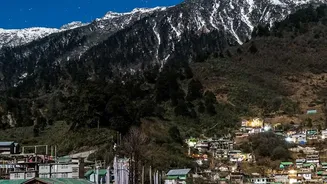
Spiti Valley is another Himalayan paradise for stargazers. Its remote villages, like Kibber, Langza, and Komic, sit at altitudes above 4,000 metres, far from the glare of urban centres. The region's dry, cold climate ensures crisp, clear nights, making it a favourite for astrophotographers. The best viewing season is from May to October, after the winter snow has melted but before the harshest cold returns. Key spots like Langza, with its iconic Buddha statue overlooking the valley, and the area around Dhankar Monastery provide dramatic foregrounds for cosmic photography. The experience is raw and profound, offering a direct connection to the universe in a landscape that feels just as otherworldly.
Pangong Tso, Ladakh: Reflections of the Cosmos
Famous for its stunning blue waters, Pangong Tso transforms into a celestial theatre after dark. At an altitude of 4,350 metres, the lake is situated within the Changthang Cold Desert Wildlife Sanctuary, which limits development and light pollution. What makes stargazing here unique is the opportunity to see the stars reflected on the lake's vast, still surface, creating a mirror-like effect that doubles the spectacle. On clear nights, the galactic core of the Milky Way is visible to the naked eye. Many campsites around the lake offer guided sessions and basic equipment, making it accessible even for beginners. The combination of the serene lake and the star-studded sky is an unforgettable sight.
Rann of Kutch, Gujarat: A Desert of Stars
The Great Rann of Kutch offers a stargazing experience unlike any other. This vast salt marsh in Gujarat is one of the darkest and flattest places in India, providing an uninterrupted 180-degree view of the night sky. During the winter months, from November to February, the air is dry and clear. On a moonless night, the stars are so abundant that the white salt desert below seems to glow with their reflected light. This period coincides with the Rann Utsav, a cultural festival that offers tented accommodations right on the desert's edge. Here, you can combine cultural immersion with lying back on the cool salt flats to watch meteor showers and trace constellations.
Neil Island, Andaman and Nicobar: Tropical Skygazing
For a different flavour of stargazing, head to the Andaman Islands. Neil Island (Shaheed Dweep), in particular, offers pristine, dark skies with minimal light pollution due to its remote location and lack of heavy commercialisation. The wide-open beaches like Laxmanpur provide a perfect, unobstructed horizon over the sea. The experience here is serene and meditative, with the sound of gentle waves accompanying your view of the cosmos. The best time to visit is between November and April when the skies are consistently clear. Its location also offers a unique vantage point to see celestial objects that may not be as clearly visible from the mainland.
Coorg, Karnataka: The Western Ghats' Window
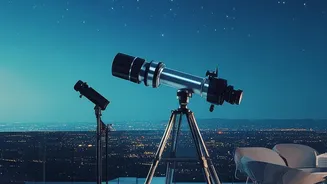
You don't always have to go to extreme altitudes or remote deserts. Nestled in the Western Ghats, Coorg in Karnataka provides a lush, green alternative for sky-watchers. Its location away from major cities, combined with the clean air of the hills, results in surprisingly dark skies. There is even a dedicated observatory, Starscapes, which offers guided sessions with powerful telescopes. Here, visitors can get a closer look at Saturn's rings, Jupiter's moons, and distant nebulae. The post-monsoon and winter months offer the clearest nights. It's an accessible option, especially for those in South India, proving that a starry escape can be found amidst coffee plantations and misty hills.