



Why Eating Seasonal is Smarter
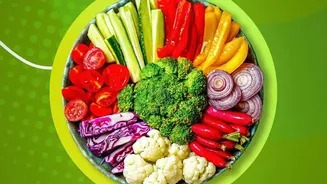
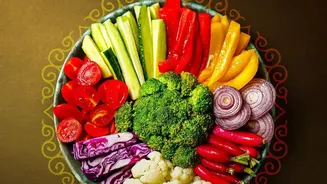
Before we dive into recipes, let's talk about why embracing seasonal produce is a game-changer. When vegetables are grown and harvested in their natural season, they are at their absolute peak. They are more nutritious, packed with the vitamins and minerals
our bodies need at that specific time of year. They taste better—fresher, sweeter, and more flavourful—because they are ripened naturally, not in transit or storage. Plus, they are more affordable and accessible because they are in abundant supply. Eating seasonally also supports local farmers and is kinder to the environment by reducing the need for long-distance transport and artificial growing conditions. It’s a simple philosophy that Indian food traditions have honoured for centuries for a good reason.
Monsoon Marvels: Gourds and Greens
The rainy season brings a bounty of vegetables that are light on the stomach and aid digestion. Think of gourds like lauki (bottle gourd), turai (ridge gourd), and parwal (pointed gourd). These vegetables have high water content and are perfect for creating lunchbox dishes that aren't too heavy. Instead of a greasy curry, try making Lauki Theplas. Grate lauki into your regular chapati dough with some spices for a soft, flavourful flatbread that stays fresh for hours. Another great idea is a simple Turai Chana Dal Sabzi. It’s a dry-style preparation that won't spill and combines the mildness of the gourd with the protein of lentils, making it a balanced meal with roti. These vegetables are traditionally recommended during monsoon for their health benefits.
Winter Wonders: Roots and Leaves
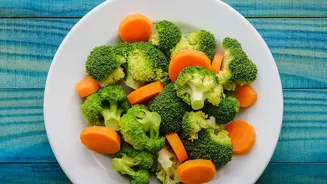
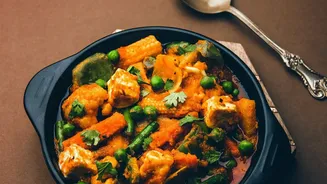
Winter is the season for robust, warming vegetables. The markets are flooded with colourful carrots, vibrant spinach, fresh peas, and earthy beetroots. These vegetables are perfect for hearty lunchbox meals that provide energy through the day. A classic Gajar Matar sabzi (carrots and peas) is a lunchbox staple for a reason; it's easy to make, packs well, and is universally loved. You can also make vibrant Palak Pooris by blending spinach into the dough, which is a great way to get kids to eat their greens. For a more creative option, try beetroot kebabs or tikkis; they are delicious even when cold and offer a wonderful burst of colour and nutrients. Don't forget Sarson da Saag, a Punjabi winter classic made from mustard greens, which can be packed with a makki di roti.
Summer Staples: Hydrating and Cooling
Summer calls for food that is cooling and hydrating. Vegetables like cucumber, pumpkin (kaddu), and various gourds such as tindora (ivy gourd) are abundant. These vegetables are high in water content and help beat the heat. A simple yet delicious lunch idea is a Khatta Meetha Kaddu (sweet and sour pumpkin) sabzi, which pairs beautifully with parathas. Tindora fry is another fantastic option; it’s a dry stir-fry that holds up well in a tiffin. For a no-cook option on extremely hot days, a cucumber and moong dal salad (kosambari) is refreshing and filling. You can also prepare a light Pulissery, a Keralan dish made with cucumber and buttermilk, which is incredibly cooling.
Beyond the Sabzi: Get Creative
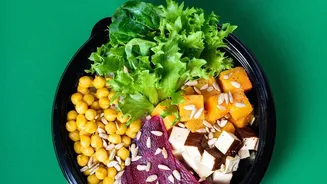
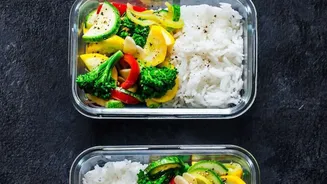
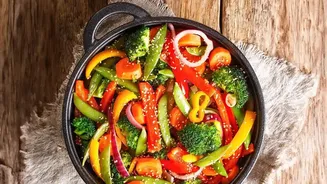
Packing a healthy lunch doesn't always have to be a roti-sabzi combination. You can incorporate seasonal vegetables in many other interesting ways. Stuffed parathas are a classic choice – think mooli (radish) parathas in winter or a mixed vegetable paratha using whatever is fresh. Vegetable pulao or fried rice is another easy one-pot meal where you can add a variety of seasonal chopped veggies like beans, carrots, and peas. You can also make vegetable idlis or uttapams by adding grated carrots, finely chopped onions, and capsicum to the batter. Wraps are another versatile option; a whole wheat chapati can be filled with a dry vegetable preparation like a paneer bhurji with bell peppers or a simple aloo jeera.