






The Science of a Satisfying Meal
Feeling full, or satiety, is more than just a stuffed stomach. It's a complex process influenced by key nutrients: protein, fibre, and healthy fats. Protein is considered the most filling macronutrient, partly because it can influence hormones that signal
fullness to your brain. Fibre, found in plant foods, adds bulk to your meal and slows down digestion. This leads to a more gradual release of energy, preventing the sharp blood sugar spikes and subsequent crashes that can leave you feeling hungry shortly after eating. High-fibre foods also require more chewing, which can contribute to feeling full faster. Together, a meal rich in both protein and fibre provides lasting energy and satisfaction.
Embrace the Power of Whole Grains
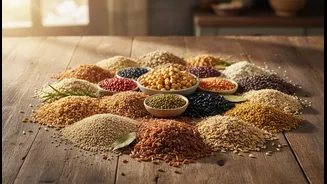
A common feature of Indian meals is a grain-based component, like rice or roti. The type of grain you choose makes a significant difference. Whole grains, such as whole wheat atta, brown rice, and millets, contain the entire grain kernel—the bran, germ, and endosperm. The bran and germ are rich in fibre, B vitamins, and minerals. Refined grains, like white rice and maida, have had the bran and germ removed, stripping away most of the fibre and nutrients. This is why a meal with white rice might leave you feeling hungry sooner than one with millets or brown rice. The higher fibre in whole grains slows digestion, keeping you fuller for longer and providing a steadier source of energy.
Diversify Your Plate with Plants
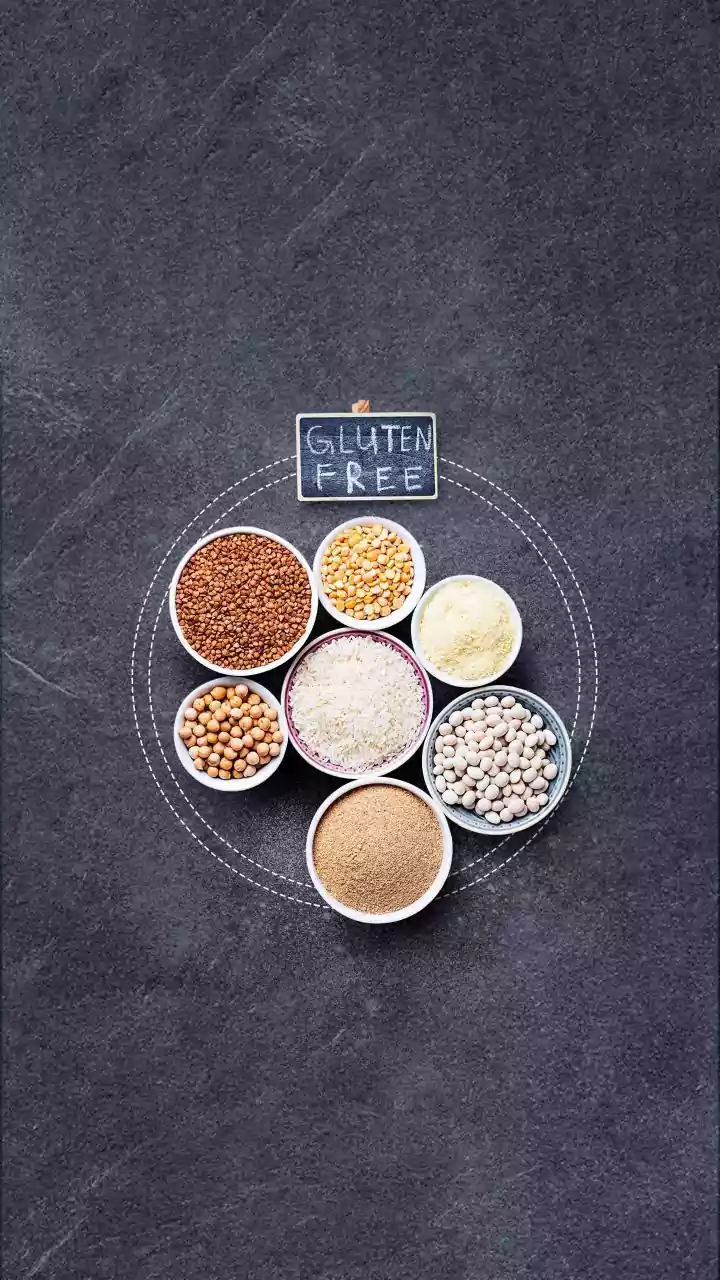
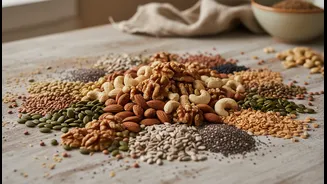
An Indian thali is naturally designed for diversity, but it's easy to fall into a routine. Making a conscious effort to include a wide variety of plants is key for a filling meal. This means more than just one sabzi. Think dals, legumes, and an abundance of different vegetables. Lentils and beans, like chana, rajma, and moong, are excellent sources of both plant-based protein and fibre. For example, a single cup of cooked lentils provides a substantial amount of both nutrients. Increasing the variety of plants in your diet not only provides a wider range of vitamins and minerals but also promotes a healthy gut microbiome, which plays a role in everything from digestion to immunity.
Simple Swaps for a Fuller Thali
Making your lunch more filling doesn't require a complete overhaul. Small, strategic swaps can have a big impact. Instead of a large portion of rice, try reducing the rice and increasing the amount of dal or sabzi. Swap a plain whole wheat roti for one fortified with sattu (roasted gram flour) or besan to increase its protein content. If you usually have a potato-based side, try a protein-packed sprout salad instead. Consider replacing white rice with ancient grains like jowar, bajra, or ragi, which are packed with fibre and minerals. Even choosing a raita over a sugary chutney can add a bit of protein while cutting down on simple sugars. These simple adjustments increase the protein and fibre content of your meal, helping you feel satisfied for hours.
Look Beyond the Food
How you eat matters almost as much as what you eat. The hormones that signal fullness to your brain can take around 20 minutes to work. If you eat too quickly, you can easily consume more than you need before your body has a chance to register that it's full. Practising mindful eating—slowing down, chewing thoroughly, and paying attention to your body's hunger and fullness cues—can prevent overeating and increase your satisfaction with the meal. Try to minimise distractions like your phone or television during lunch. This simple change in habit can enhance the satiating effects of the nutritious food on your plate.