








Why First Impressions Matter
For a dog or cat, a new home isn't an exciting upgrade; it's a sudden loss of everything familiar. Their world is built on predictable routines, scents, and sounds. When that disappears, their brain enters a state of high alert, which we see as anxiety.
They may pace, whine, hide, or lose their appetite. This isn't them being difficult; it's a natural survival response to uncertainty. The goal of a calm arrival is to manage this initial shock, signalling that this new, strange place is safe. By controlling the introduction, you build a foundation of trust and show them they can relax, which speeds up their adjustment period significantly.
Prepare a 'Safe Zone' In Advance
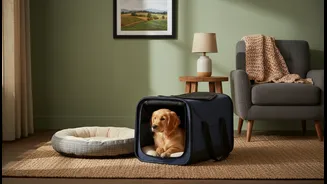
Before your pet even crosses the threshold, prepare a dedicated safe space for them. This should be a quiet room or a corner, like a spare bedroom or a low-traffic area, that is away from the chaos. Fill this 'home base' with familiar items: their bed, favourite toys, a blanket that smells like their old home (or like you), and their food and water bowls. For cats, include a litter box and a scratching post. This zone becomes their secure retreat, a place they can go to when they feel overwhelmed. Having this ready means you're not scrambling on arrival day, which keeps your own stress levels down — something your pet will definitely notice.
Managing Arrival Day Chaos
Moving day is hectic, with doors opening and people rushing about. This is a high-risk time for a scared pet to bolt. The best strategy is to keep your pet away from the main event. If possible, have them stay with a friend or at a pet daycare. If that's not an option, secure them in their designated safe room with a clear sign on the door that reads, “Pet Inside: Do Not Open.” They should be the last thing you move out of the old home and the last to be brought into the new one, after the movers have left and things have quieted down. This simple step prevents the most common moving day disasters.
The First Entry: Slow and Steady
When you finally bring your pet into the new house, resist the urge to let them run free. An entire house is too much to process at once. Take them directly to their prepared safe zone and close the door. Spend some quiet time with them there, offering gentle reassurance. Let them acclimate to this one room first. For a dog, you can start by taking them on a leashed walk around the immediate exterior and then inside. For a cat, they may need to stay in their single room for several days, or even weeks, before they feel bold enough to explore further. Allow them to set the pace. When they show calm, curious behaviour, you can gradually open the door and let them explore the rest of the house, one room at a time.
Establishing a New Normal
Predictability is comfort. In the first few days and weeks, stick to your pet's previous routine as closely as possible. Feed them, walk them, and play with them at the same times you always did. This consistency is a powerful anchor that tells them that while their surroundings have changed, their life with you has not. Hold off on inviting friends and family over to meet the new pet or see the new house. Give your companion time to adjust to the immediate family first. Use positive reinforcement, rewarding calm behaviour with treats and praise to build a positive association with the new space.