








The Shifting Power in India's Food Scene
A significant transformation is underway in India's food and beverage sector. For decades, the industry was dominated by brick-and-mortar restaurants, from local diners to large, established chains. Today, a new contender has emerged: the home-grown kitchen.
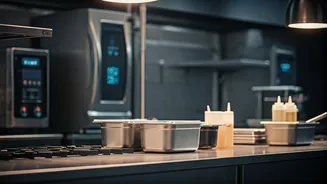
Often operating as 'cloud kitchens' or 'ghost kitchens', these establishments have no physical storefront or dine-in space, existing solely on delivery apps and social media. This model, which gained massive momentum during the COVID-19 pandemic, has proven to be more than a fleeting trend. The Indian cloud kitchen market was valued at over USD 1.24 billion in 2025 and is projected to grow at a compound annual growth rate (CAGR) of over 12%, reaching nearly USD 3.7 billion by 2034. This rapid expansion signals a fundamental change in how food is produced, marketed, and consumed across the country.
The Recipe for a Lean Business Model
The primary advantage fuelling this boom is economic. Traditional restaurants grapple with staggering overheads, including high rents for prime locations, interior decor, and front-of-house staff. In contrast, a cloud kitchen can be launched from a small, rented commercial space or even a home kitchen with a fraction of the investment. This drastically lowers the barrier to entry for new entrepreneurs, particularly home chefs who can turn their passion into a business with minimal financial risk. By eliminating the need for a dining area, these businesses can focus their resources on what matters most for delivery: food quality and efficient operations. Delivery platforms like Zomato and Swiggy act as the digital storefront and logistics partner, providing instant access to a vast customer base and handling the complexities of delivery.
A Growing Appetite for Authenticity and Health
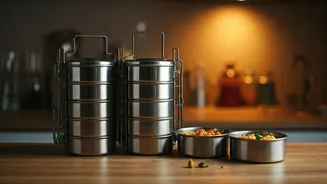
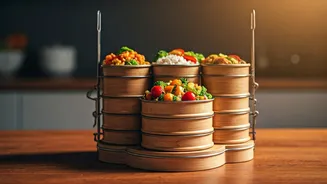
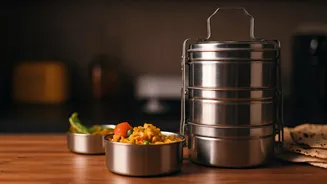
This shift isn't just driven by supply; consumer demand has also evolved. Urban professionals, students living away from home, and busy families increasingly seek convenient meal options that don't compromise on health. There's a growing fatigue with standardized restaurant fare, which is often perceived as oily or heavy for daily consumption. Home kitchens tap into a powerful craving for authentic, regional, and wholesome 'ghar ka khana' (home-cooked food). Consumers are drawn to the perceived cleanliness, freshness, and personal touch that a home chef offers. This trend has been amplified by a post-pandemic increase in health consciousness, leading many to seek out nutritious and transparently prepared meals.
It's Not All a Cakewalk
Despite the low entry barriers, the path for a home-grown kitchen is not without its challenges. The very model that enables their rise—dependency on food aggregator apps—can also be a structural weakness. These platforms charge significant commissions, often between 18% and 30%, which can severely erode profit margins. Intense competition and market oversaturation mean that kitchens must constantly spend on in-app advertising to gain visibility, creating a cycle of high cash burn. Building brand loyalty is another hurdle; without face-to-face interaction, creating a lasting customer relationship is difficult. Furthermore, ensuring consistent quality, scaling operations, and navigating food safety regulations remain significant obstacles for many small operators.
How Big Restaurant Chains Are Responding
Established restaurant chains are not standing still. Many are adopting a hybrid approach, launching their own delivery-only brands or operating cloud kitchens alongside their dine-in locations to diversify revenue and expand their reach. This allows them to experiment with new cuisines and concepts without the financial risk of opening a new physical restaurant. However, they still face the core challenge of competing with the agility and lower cost structure of independent cloud kitchens. While a traditional restaurant offers an irreplaceable social and atmospheric experience, the growth of delivery-centric consumption means that the battle for the at-home diner is only intensifying.