






The Soaked Reality of a Standard Backpack
Most backpacks are merely water-resistant, not waterproof. They might handle a light drizzle, but they will not survive hours of a relentless Indian downpour. Water inevitably seeps through zippers and seams, turning your pack into a heavy, soggy mess.
The risks are more than just discomfort; we're talking about ruined electronics, mouldy clothes, a uselessly damp sleeping bag, and spoiled food. This is why seasoned trekkers don't just hope for the best; they plan for the worst with a multi-layered defence against moisture. A single 'water-resistant' tag is a promise that the monsoon will surely break. To truly enjoy the rain-washed trails, your gear's safety cannot be an afterthought.
Your First Line of Defence: The Dry Bag
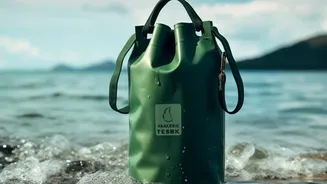
The humble dry bag is the cornerstone of any monsoon packing strategy. These are lightweight, waterproof sacks, typically with a roll-top closure that creates a watertight seal. They are not just for boaters; they are essential for compartmentalising and protecting your gear inside your main backpack. Use smaller bags (2-5 litres) for critical items like your phone, wallet, power bank, and headlamp. A medium-sized bag (10-15 litres) is perfect for your set of dry clothes and sleepwear—a morale-boosting essential after a long, wet day on the trail. A larger dry bag can serve as a liner for your entire sleeping bag, which is especially crucial if you have a down-filled one that loses all insulating properties when wet. This system ensures that even if your main backpack gets soaked, your most important items remain perfectly dry.
The All-in-One Answer: Waterproof Backpacks
For those who want a simpler, more integrated solution, a fully waterproof backpack is an excellent investment. Unlike standard packs, these are constructed with waterproof fabrics, welded or taped seams, and water-resistant zippers to prevent any ingress. The primary advantage is convenience; you don't have to worry about multiple liners and covers. However, they can be more expensive and sometimes heavier than their non-waterproof counterparts. When choosing one, look for features like roll-top closures, which offer a more reliable seal than zippers. These packs are ideal for serious trekkers who frequently venture out in wet conditions and value the peace of mind that comes with a single, robust layer of protection.
The Budget-Friendly Backups: Pack Covers & Liners
If a dedicated waterproof backpack isn't in your budget, a combination of a backpack rain cover and a pack liner offers a reliable and affordable alternative. A rain cover is a simple, elasticated waterproof sheet that stretches over the outside of your pack. It’s your first barrier against rain, but it won’t protect the part of the pack against your back and can be less effective in high winds. To counter this, add a large, heavy-duty plastic bag or a dedicated pack liner inside your backpack. This creates a secondary waterproof barrier. This dual approach—defending from the outside with a cover and from the inside with a liner—is a time-tested strategy that keeps gear dry without breaking the bank.
Trail-Tested Tips for Total Dryness
Beyond the big bags, small habits make a huge difference. Always double-bag your electronics—a small dry bag inside a larger one offers redundant protection. Pack a few silica gel packets, salvaged from new shoe boxes or electronics packaging, and toss them in with your sensitive gear to absorb ambient moisture. Get into the habit of sealing your dry bags correctly every single time; a lazy fold won't cut it. Wear quick-drying synthetic clothing instead of cotton, which absorbs moisture and takes forever to dry. Finally, keep a small, quick-dry towel handy to wipe down wet surfaces before packing them away. These small steps are what separate a comfortable trek from a damp, miserable one.