




The Allure of the Human Touch
The dream of sending an Indian into space on an Indian spacecraft is a powerful one. The Gaganyaan mission represents a new frontier for the nation, a symbol of technological prowess and global ambition. Following the stunning success of the Chandrayaan
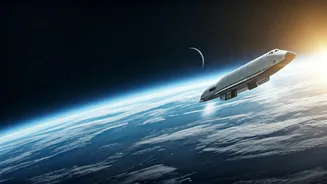
missions, which placed India in an elite club of lunar explorers, the desire to achieve human spaceflight is understandable. It captures the public imagination in a way that robotic missions, for all their scientific value, sometimes struggle to. The programme envisages launching a crew of three into a 400 km orbit for a three-day mission, returning them safely to Earth. The goal, set for the coming years, is a testament to ISRO's decades of tireless work and a source of immense national pride.
Enter Vyommitra: The Robotic Precursor
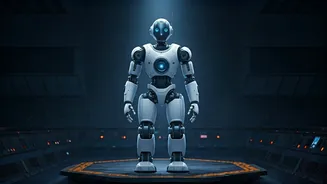
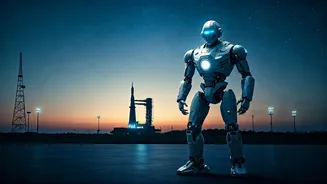
Before astronauts make that journey, ISRO is planning a series of uncrewed test flights. A key passenger on these missions will be Vyommitra, a sophisticated half-humanoid robot. The name, derived from Sanskrit words for 'space' and 'friend', perfectly captures her role. Far from being just a crash-test dummy, Vyommitra is an AI-enabled astronaut designed to simulate human functions, monitor the crew module's environment, operate switch panels, and communicate with ground control. Her mission is to be the ultimate stand-in, experiencing the intense vibrations of launch and the challenges of a space environment, providing invaluable data to ensure the life support and safety systems are flawless before any human life is at stake. Uncrewed test flights, with Vyommitra at the helm, are scheduled to precede the actual human launch.
The Ultimate Safety Protocol
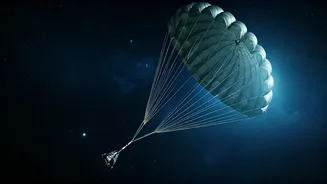
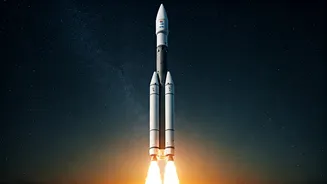
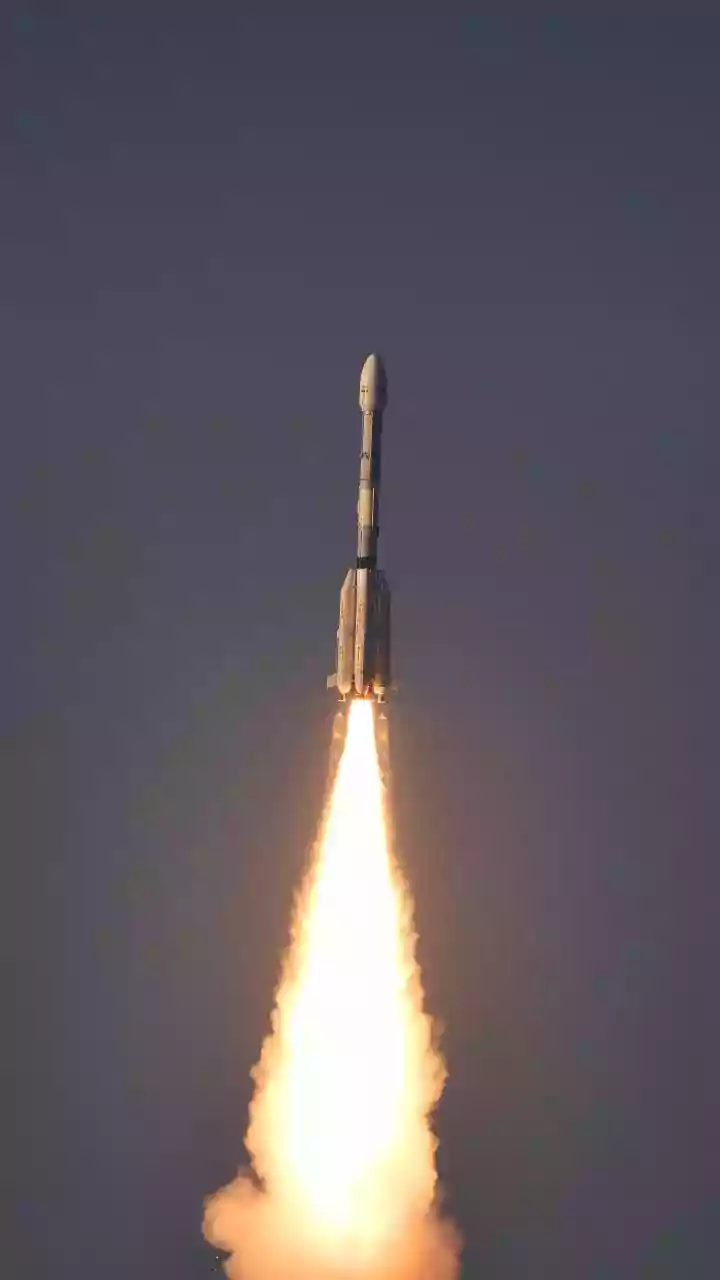
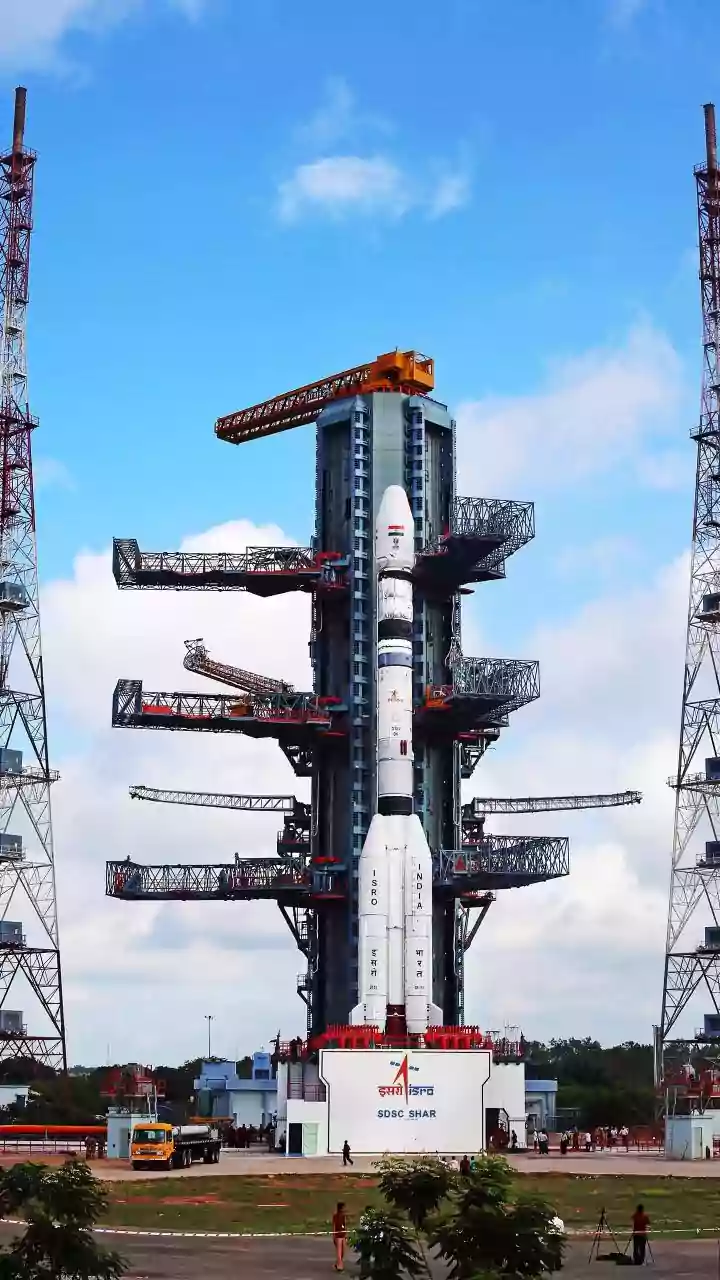
This is the heart of the argument: a robot-first approach is a safety-first approach. Human spaceflight is incredibly complex and dangerous, leaving zero room for error. ISRO has already conducted over 8,000 ground tests for the Gaganyaan programme, demonstrating its commitment to rigorous safety standards. By sending Vyommitra on one or more full-dress rehearsals, ISRO can validate every critical system in real-world conditions. This includes the performance of the human-rated LVM3 rocket, the crew escape system, and the delicate process of re-entry and splashdown. Any anomaly, any unexpected reading, can be analyzed and fixed without risk. It's about taking a measured, data-driven approach rather than rushing toward a milestone. Putting a robot in the seat first isn't a delay; it is the most responsible way to honour the astronauts who will follow.
Paving the Way for Deeper Exploration
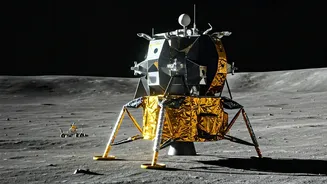
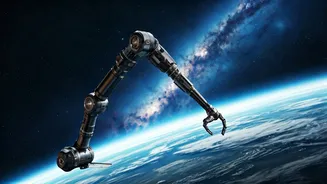
The value of robotics extends far beyond the Gaganyaan programme. It is the core of India’s entire deep-space strategy. The upcoming Chandrayaan-4 mission, planned for around 2027, is a fully robotic lunar sample return mission. This complex undertaking involves landing on the Moon, using a robotic arm to collect samples, ascending back into lunar orbit, docking with another module, and returning the precious cargo to Earth. Mastering these robotic technologies is a direct precursor to India's long-term goal of a crewed lunar landing by 2040 and establishing a lunar base. Each robotic mission builds a foundation of expertise in autonomous navigation, remote manipulation, and resource utilisation that will be essential for any sustained human presence beyond Earth.
A Strategic Choice, Not a Detour
Framing this as a choice between humans and robots is a false dichotomy. As ISRO Chairman S. Somanath has noted, robots can't entirely replace the unique cognitive abilities of humans in exploration. The real strategy lies in their partnership. Robots are the scouts, the pioneers, and the tireless workers that make human exploration safer and more scientifically productive. They can venture into hazardous environments, perform repetitive tasks, and lay the groundwork for human arrival. By prioritising a robust robotic vanguard—starting with Vyommitra on Gaganyaan and continuing with missions like Chandrayaan-4—India is not stepping back from its human spaceflight ambitions. Instead, it is wisely ensuring that when our astronauts finally do embark on their historic journey, they are doing so on the safest, most reliable, and most capable platform possible.