








Start with a Thorough Cleanse
High humidity means more sweat, oil, and environmental grime clinging to your skin, which can lead to clogged pores and acne. [3, 18] A thorough cleanse is your first line of defence. For best results, wash your face twice daily with a gentle, pH-balanced
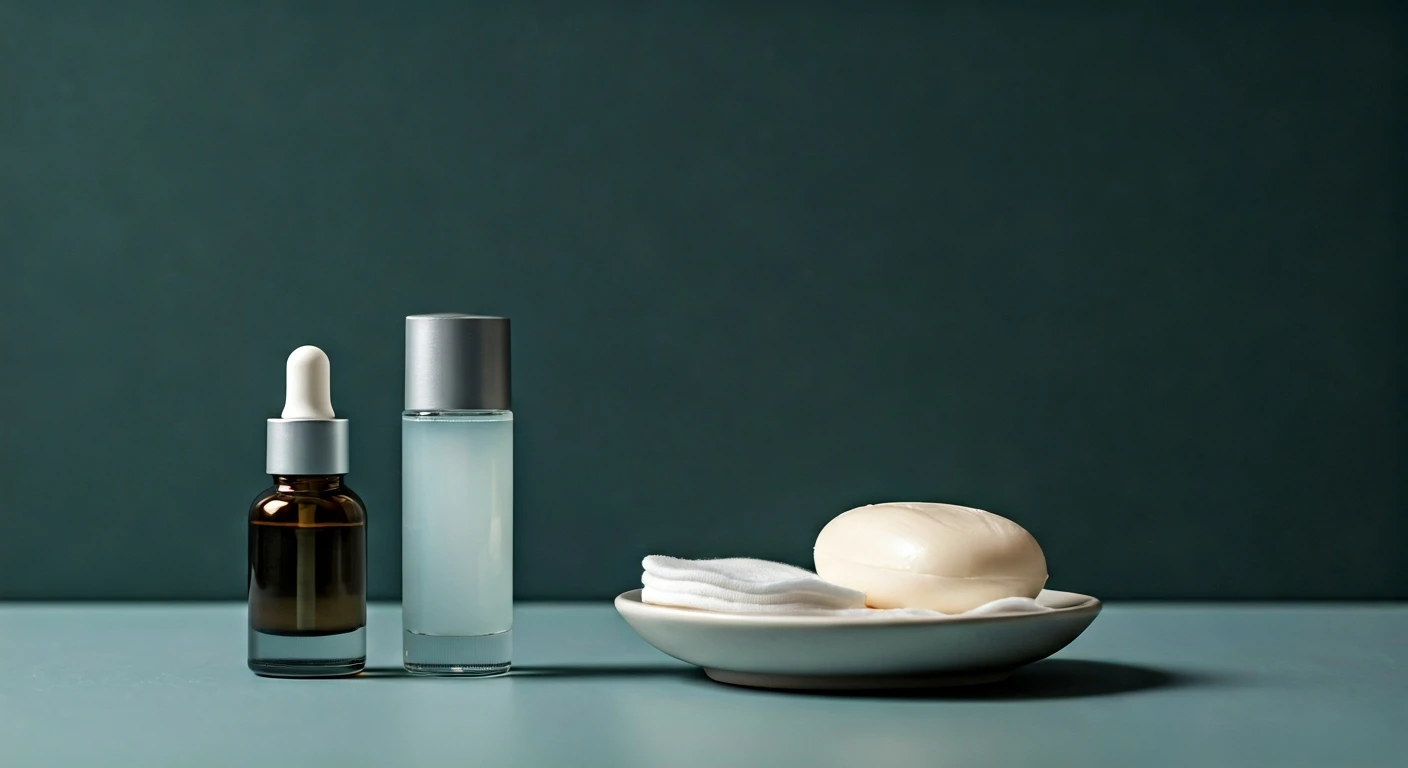
cleanser that doesn't strip your skin's natural moisture barrier. [19, 28] For those with oily or acne-prone skin, a gel-based cleanser containing salicylic acid is an excellent choice as it can penetrate pores to dissolve excess sebum and buildup. [10, 31] Consider a double cleanse in the evening—starting with an oil-based cleanser to break down sunscreen and makeup, followed by a water-based wash to ensure your skin is completely clean. [13, 23]
Exfoliate, But Gently
Exfoliation is crucial during the monsoon to slough off dead skin cells that can trap oil and bacteria, leading to dullness and breakouts. [25, 26] However, over-exfoliation can damage the skin's barrier, causing irritation and sensitivity. [5] Aim to exfoliate just once or twice a week. Opt for gentle chemical exfoliants containing Alpha Hydroxy Acids (AHAs) or Beta Hydroxy Acids (BHAs) like salicylic acid over harsh physical scrubs. [5, 10] This helps keep pores clear and allows your skin to breathe without causing unnecessary stress.
Switch to Lightweight Hydration
It’s a common myth that you can skip moisturiser in humid weather. In reality, your skin still needs hydration. Skipping it can cause dehydration, which may trigger your skin to produce even more oil to compensate. [21, 29] The trick is to switch from heavy creams to lightweight, non-comedogenic formulas that hydrate without feeling greasy or clogging pores. [3, 23] Gel-based or water-based moisturisers are ideal for the Indian monsoon climate. [7, 8] Look for ingredients like hyaluronic acid, which provides intense hydration without weight, and niacinamide, which helps regulate oil production and improve skin texture. [9, 12, 20]
Incorporate a Targeted Serum
A serum is a great way to deliver a concentrated dose of active ingredients to address specific monsoon-related concerns. If you’re dealing with increased oiliness and breakouts, a serum with niacinamide or salicylic acid can be highly effective. [8, 11] Niacinamide is a versatile ingredient that helps control sebum, reduce inflammation, and brighten the skin. [11, 29] If your concern is hydration without adding oil, a hyaluronic acid serum is a perfect choice, as it draws moisture into the skin, leaving it plump and hydrated. [9, 27]
Don’t Skip Sunscreen, Even on Cloudy Days
Don't let the cloudy skies fool you; sunscreen is non-negotiable, even during the monsoon. [2, 6] Up to 80% of the sun’s harmful UV rays can penetrate through clouds, causing tanning, premature ageing, and long-term skin damage. [5, 6, 16] Furthermore, wet surfaces like roads and puddles can reflect UV rays, increasing your exposure. [4, 16] Choose a broad-spectrum sunscreen with an SPF of 30 or higher. For humid weather, a lightweight, gel-based, or matte-finish formula is best to avoid a sticky feeling. [4, 5, 22] Reapplying every two hours, especially if you're outdoors or sweating, is crucial for consistent protection. [2]
Add a Weekly Clay Mask
To manage the excess oil and pore congestion that often come with monsoon humidity, incorporate a clay mask into your routine once a week. [13, 14] Masks with ingredients like kaolin or bentonite clay are excellent for drawing out impurities, absorbing excess sebum, and deep-cleaning pores. [10, 13] This weekly treatment can help prevent breakouts and keep your skin feeling fresh and balanced without over-drying it.