








A Cautious Outlook Amid Rising Prices
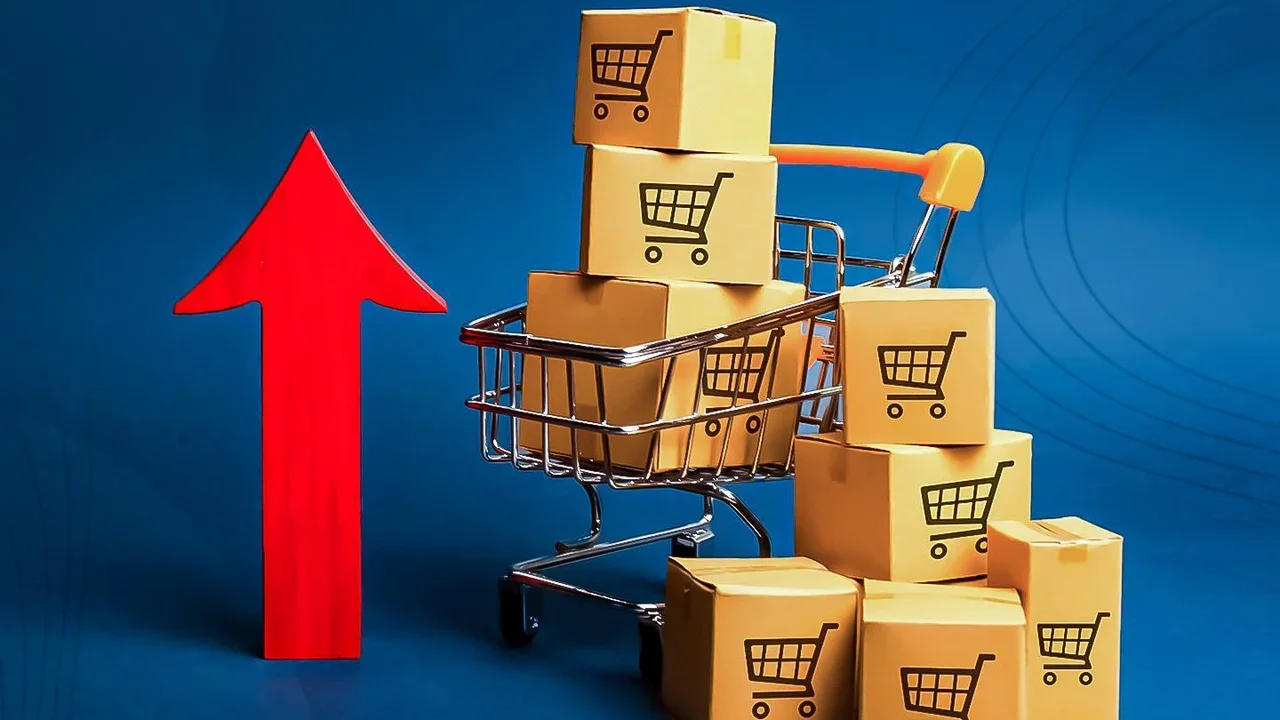
This year's festive cheer is being tempered by persistent inflation. India's retail inflation reached a near two-year high of 5.54% in September, with food inflation climbing to a steep 7.74%. This isn't just a headline number; it's a reality felt in kitchens
and at checkout counters across the country. The cost of essentials, from groceries to fuel, has surged, with households expecting prices to keep rising over the next year. An RBI survey highlighted this growing concern, with urban households' inflation expectations for the year ahead hitting 10%. As a result, consumer confidence has taken a hit, declining steadily through 2026. A recent survey by LocalCircles found that total festive spending by urban households is estimated to fall by 6% this year, a notable shift after a 14% increase in 2025.
Shifting Priorities: Needs Over Wants
With budgets tightening, urban consumers are becoming more strategic and deliberate with their festive purchases. While 77% still expect to spend more than in a regular month, they are concentrating their spending in fewer categories. The focus is shifting from big-ticket splurges to more considered purchases. Clothing, footwear, and accessories remain top priorities for 72% of families planning to shop. However, big-ticket items like jewellery are seeing a significant drop in interest, with only 6% of respondents planning such purchases due to soaring prices. Similarly, while home appliances and electronics are still on the list for many, overall sales in this category have seen a weaker start to the season, dampened by higher prices. It seems the era of extravagant gifting is giving way to more practical and thoughtful consumption.
The Rise of Value-Driven Shopping
The current economic climate has turned many urban Indians into savvy bargain hunters. There's a clear trend towards value-driven shopping, with consumers carefully weighing quality, price, and trust. While online sales events remain popular, many shoppers are also turning to local markets to manage their expenses. The data reveals a divided consumer base: while some are holding back entirely, with 31% of urban households planning no discretionary spending at all, a small segment of high-ticket consumers willing to spend over ₹50,000 has actually grown. This suggests a K-shaped recovery, where affluent households continue to spend while the middle class pulls back. For a significant portion of the population, however, the strategy is clear: make every rupee count, even if it means cutting back on traditional festive extravagance.
Experiences Gain Ground Over Possessions
Another interesting shift is the growing preference for experiential spending over material goods. Categories like travel and holidays are holding steady, with 45% of households considering them, on par with home appliance purchases. This indicates that after years of restrictions and uncertainty, families may be prioritizing creating memories through travel and gatherings over accumulating more possessions. Dining out and socialising also remain important aspects of the festive season, even though inflation in restaurant services is also high. This change suggests a deeper evolution in consumer values, where the joy of the festival is being sought not just in new items, but in shared experiences with loved ones.