






The Modern Lunch Conundrum
For millions of working Indians, the midday meal has become a source of stress. The choices often feel uninspiring and binary. You can either spend precious time and money on a tiffin service or a restaurant delivery, or you can resort to instant noodles
and packaged snacks that leave you feeling sluggish and unsatisfied. We crave the warmth and nourishment of a home-cooked meal but lack the time to prepare an elaborate thali. We need something that is quick to make, easy on the stomach, and provides a genuine sense of comfort—a culinary hug in the middle of a hectic day. This isn't just about filling a void; it's about refueling our bodies and spirits for the second half of the day. The search for this perfect meal—fast, comforting, and wholesome—is a modern-day quest.
The Unexpected Champion: Poha
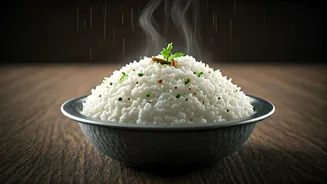
The answer, it turns out, has been hiding in plain sight all along: poha. Yes, that simple dish of flattened rice, often relegated to the breakfast table or as a light evening snack, is stepping up to claim its rightful place as the ultimate quick comfort lunch. Made from parboiled rice that is flattened into flakes and then dried, poha is a marvel of food engineering. It requires minimal cooking time because it’s already been partially cooked. This isn't a new 'superfood' imported from across the globe; it's a deeply Indian ingredient, cherished for generations for its simplicity and versatility. Its light, fluffy texture and ability to absorb flavours make it the perfect canvas for a speedy and satisfying meal that feels both familiar and deeply nourishing.
Built for Speed
Let’s break down the speed factor. A proper dal-rice-sabzi lunch can take upwards of 45 minutes to an hour to prepare. Poha, on the other hand, can be on your plate in under 15 minutes, from start to finish. The process is brilliantly efficient. While the poha flakes soak for a mere 5-7 minutes, you can get your tempering ready. A sizzle of mustard seeds, a sprinkle of turmeric, maybe some curry leaves and chopped onions—this forms the flavour base in less than three minutes. Once the soaked poha is added, it needs just a few more minutes in the pan to heat through and absorb the spices. There’s no waiting for a pressure cooker to whistle or for vegetables to cook down. It’s a seamless, one-pan operation that respects your schedule.
The Comfort in the Familiar
Speed is only half the story. Poha is a quintessential comfort food. The aroma of sizzling rai and kadi patta instantly transports many of us back to our childhood kitchens. It's the taste of home. The texture is soft and easy to digest, making it gentle on the stomach during a stressful workday. Unlike heavy, carb-laden meals that can induce a post-lunch slump, a plate of poha provides a steady release of energy. It’s light yet filling, satisfying your hunger without weighing you down. This emotional and physiological comfort is what elevates poha from just a quick snack to a legitimate, restorative lunch.
A Nutritional Powerhouse in Disguise
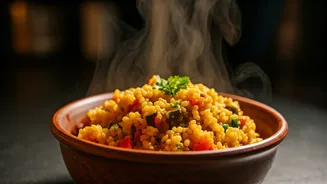
Don’t let its simplicity fool you; poha is a nutritional canvas waiting for your personal touch. The base dish itself is a good source of carbohydrates for energy and is naturally low in gluten. But its true strength lies in its adaptability. You can easily turn it into a well-rounded meal. Toss in a handful of green peas, diced carrots, or bell peppers for vitamins and fibre. Add roasted peanuts for a protein boost and a delightful crunch. Some even stir in sprouted legumes or cubes of paneer towards the end. A final squeeze of lemon not only adds a fresh zing but also helps in the absorption of iron, of which poha is a decent source. Garnished with fresh coriander, it’s a complete meal that ticks all the boxes: taste, speed, and nutrition.
A Taste of India
From the Kanda Poha of Maharashtra, loaded with onions, to the Indori Poha of Madhya Pradesh, famously garnished with jeeravan masala and sev, this dish wears many hats. This regional diversity is a testament to its widespread acceptance and love. It means you can travel across the country with one simple recipe and adapt it to local tastes, or even just what you have in your fridge. It’s a unifying dish in a country of diverse palates, a simple comfort that everyone understands.