




The New Power Lunch: A Glass of Tradition
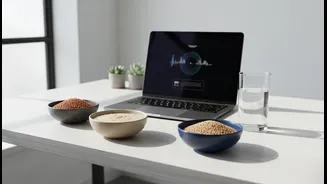
In the bustling corridors of India's corporate hubs, a quiet revolution is taking place. Where once espresso machines and vending machines full of sugary sodas were the norm, companies are now turning to a more homespun source of refreshment: traditional
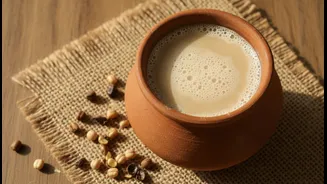
Indian grain drinks. Beverages like ragi ambli (finger millet porridge), sattu sharbat (roasted gram flour drink), and bajra raab (pearl millet soup) are moving from grandmother's kitchen to the corporate cafeteria. This trend is driven by a growing awareness of employee wellness and a renewed appreciation for local, nutrient-dense foods. Companies are realising that the key to a productive workforce might just lie in the wisdom of ancient grains.
Meet the Nutritional Superstars
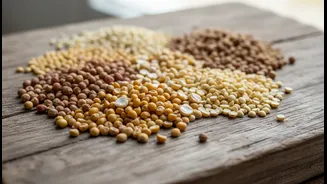
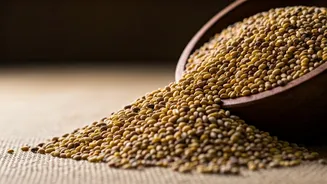
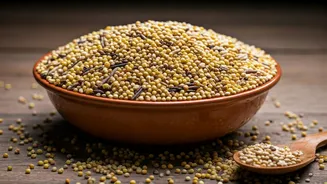
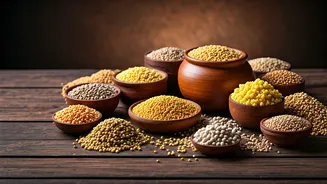
These traditional drinks are made from millets and grains that have been staples in Indian agriculture for centuries. The primary players include ragi (finger millet), jowar (sorghum), bajra (pearl millet), and sattu (roasted gram flour). Ragi, often called finger millet, is a nutritional powerhouse renowned for its high calcium and iron content. Sattu, popular in Bihar and Uttar Pradesh, is made from roasted Bengal gram and is an excellent source of plant-based protein and fibre, offering a cooling effect on the body. Similarly, bajra and jowar are hardy millets packed with essential minerals and fibre, providing sustained energy release. These are not just empty calories; they are complex, functional foods turned into simple, nourishing drinks.
The Iron-Clad Case for Corporate Wellness
The focus on "iron-rich" is particularly significant. Iron deficiency is a widespread health concern in India, affecting a large portion of the population, including the workforce. Symptoms include fatigue, poor concentration, and reduced physical stamina — all of which directly impact productivity. Studies have shown a clear link between iron deficiency anaemia and lower work output. By offering drinks naturally rich in iron, companies are making a direct investment in their employees' cognitive and physical performance. Unlike iron supplements, which can have side effects, these whole-food-based drinks are gentle on the digestive system and offer a host of other benefits, including better digestion and blood sugar management.
Beyond Health: The Strategic Advantage
For corporations, this move is about more than just altruism. It's a calculated business decision. A healthier workforce means fewer sick days, higher energy levels, and improved focus. Promoting traditional foods also resonates culturally with employees, fostering a sense of connection and care that generic wellness programs often lack. The shift towards 'functional hydration'—drinks that offer health benefits beyond simple refreshment—is a global trend that Indian companies are embracing with a local twist. Furthermore, these traditional ingredients are often more sustainable and cost-effective than imported 'superfoods', aligning with corporate social responsibility goals.
A Return to Roots in a Modern World
This trend also signifies a larger cultural shift. After decades of looking to the West for dietary trends, there is a growing movement, championed by figures like Dr. Khadar Vali, to reclaim and celebrate India's own food heritage. Millets are being rebranded from humble grains to 'superfoods' that are gluten-free, high in fibre, and beneficial for everything from heart health to weight management. Incorporating these drinks into corporate life validates their importance and introduces them to a new generation that may have lost touch with these traditions. It is a powerful statement that modern work life and ancient wisdom can, and should, coexist.