





Why Your Goal Is the Starting Line
Before you lace up your shoes or unroll a mat, it’s essential to ask yourself a simple question: What do I want to achieve? The most effective fitness plan is one that aligns with your specific objectives. Someone aiming for weight loss will need a different
strategy than a person focused on building muscle or someone simply seeking stress relief and mental clarity. Aerobic exercises like running are fantastic for cardiovascular health and endurance, while resistance training is necessary for building strength. Activities like yoga improve flexibility and balance. Understanding this principle is the key to creating a routine you'll stick with because it delivers the results you actually want, making your efforts feel rewarding and sustainable.
The Case for Dancing: Joyful, Social, and Deceptively Intense
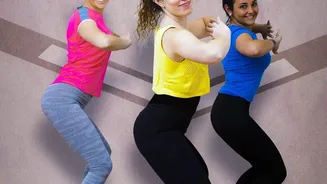
Dancing is often celebrated for being fun and social, but its fitness benefits are serious. It's a powerful full-body workout that improves cardiovascular health, coordination, balance, and agility. Mentally, it's a huge mood booster, with studies showing it can reduce symptoms of depression and anxiety while improving cognitive functions like memory and planning. One of the biggest advantages of dancing is its variety. Styles like street dance, contemporary, and even ballet can involve periods of high-intensity exercise that burn a significant number of calories—in some cases, more than running or cycling in the same amount of time. It strengthens the core, legs, and upper body without feeling like a chore, which is why so many people find it easier to stick with long-term.
The Power of Rowing: A Low-Impact, Full-Body Machine
Rowing, whether on a machine or water, is one of the most efficient workouts available. It's a low-impact activity, meaning it's gentle on the joints, making it suitable for a wide range of fitness levels and a great alternative to high-impact exercises like running. Despite being low-impact, its effectiveness is immense. A single rowing stroke engages over 80% of your body's muscles, including the legs, core, back, and arms, delivering a combined strength and cardio workout. This makes rowing a calorie-burning powerhouse. It builds both power and endurance, strengthening your heart and lungs while improving muscle tone and posture. The rhythmic, repetitive motion can also have a meditative quality, helping to reduce stress.
Dancing vs. Rowing: A Head-to-Head Breakdown
So, which is better for you? The answer depends entirely on your goals. For a social, mood-boosting workout that enhances coordination and doesn't feel like exercise, dancing is a clear winner. If your primary goal is a time-efficient, low-impact, full-body strength and cardio session, rowing has the edge. For calorie burn, high-intensity dance styles can surprisingly outperform many traditional cardio activities, but a vigorous rowing session is also highly effective. Muscle Engagement: Rowing provides a more structured, total-body resistance workout, systematically working legs, core, and back. Dancing engages muscles all over the body in a more fluid, less predictable way, excellent for functional fitness and agility. Joint Impact: Rowing is consistently low-impact. Dancing can be, but styles with jumping are higher-impact. Accessibility: Dancing requires little more than music and space, while rowing requires access to a machine or a boat.