


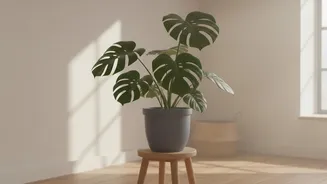
Why Quarantine Is Your First, Best Step
The primary reason to quarantine a new plant is to prevent the introduction of pests and diseases to your other houseplants. Pests like spider mites, mealybugs, and fungus gnats are often invisible at the point of sale, hiding as eggs or larvae. A quarantine period
of two to four weeks, ideally in a separate room, gives you time to spot and treat any issues before they can spread. Think of it as a small investment of time that protects the health of your entire indoor jungle and gives your new plant a chance to acclimatise to its new environment without stress.
The Top-Down Check: Inspecting Leaves and Stems
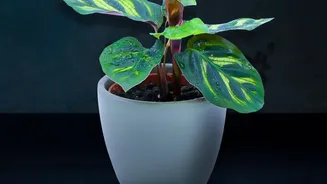
Your inspection should begin with the most visible parts of the plant: its foliage and stems. Look closely at the tops and undersides of all leaves. Telltale signs of pests include fine webbing, which suggests spider mites, or small white cottony clusters in leaf joints, which are likely mealybugs. Also check for tiny dots, yellowing or silver stippling on leaves, sticky residue known as honeydew, or actual insects. Pests such as aphids, scale, and thrips often hide in plain sight but are easy to miss without a careful look. Don't forget to inspect the stems for any brown or tan bumps, which could be scale insects.
Getting to the Root of It: Soil and Potting Mix
A healthy plant starts with healthy roots, making a soil check non-negotiable. Nurseries can sometimes sell plants with underlying issues lurking below the surface. Gently slide the plant out of its pot to inspect the root system. Healthy roots are typically firm and white or light-coloured. If the roots are brown, soft, or mushy, the plant may have root rot from overwatering. Also, check the soil itself. Are there tiny, mosquito-like flies hovering around? Those are fungus gnats, and their larvae live in the top layer of soil. While you're there, see if the plant is 'root-bound,' with roots circling the bottom of the pot. This means it has outgrown its container and will need repotting soon.
The Pot Itself: A Potential Source of Trouble
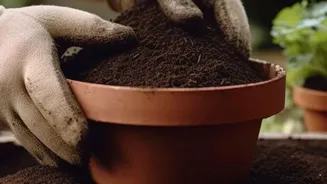
The nursery pot your plant comes in can also harbor problems. Before introducing it to your home, it’s wise to clean the outside of the pot to remove any lingering pests or eggs. Some experts even recommend repotting new plants into fresh soil and a clean pot right away. This eliminates the risk of pest eggs overwintering in the nursery soil and gives you complete control over the plant's growing medium. If you decide to repot, choose a new container that is only slightly larger than the previous one and has excellent drainage to prevent future issues like root rot. Always use fresh potting mix, as old soil can be depleted of nutrients or contain dormant problems.
The Waiting Game: Isolation and Observation
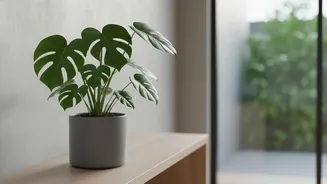
Once your initial inspection is complete, place the plant in its quarantine spot. This should be a location away from any other plants, but still receiving the appropriate amount of light for its species. During the two to four-week isolation period, inspect the plant weekly for any changes. Check the soil moisture before watering to avoid overwatering, a common issue as plants adjust to a new home. If you do spot pests, you can treat them with methods like insecticidal soap or neem oil without risking your other plants. After the quarantine period is over with no signs of trouble, you can confidently introduce your new, healthy plant to the rest of your collection.