





The Science of Shrinking Your Luggage
Vacuum compression bags are essentially heavy-duty plastic pouches designed to have all the air removed from them, dramatically reducing the volume of soft goods inside. They are especially effective for bulky items like jackets, sweaters, and blankets.
There are two main types: those that require a household vacuum or a small, portable electric pump, and manual versions that you simply roll up to force the air out through a one-way valve. By expelling the air trapped between fabric fibers, these bags can compress clothing by as much as 60%, turning a thick pile of sweaters into a dense, flat package. This allows travelers to either fit more into their existing luggage or downsize to a smaller carry-on bag.
The Upside: More Room and Better Protection
The most obvious benefit is the significant space savings. For anyone trying to travel carry-on only, especially for longer trips or to cold climates, this can be a game-changer. Beyond just saving space, these bags also offer a layer of protection. The airtight seal keeps clothing safe from moisture, dirt, and odors—a useful feature if you’re packing for an outdoor adventure or need to quarantine dirty laundry on the trip home. They also help with organization, allowing you to group outfits or clothing types together, making it easier to find what you need without rummaging through your entire suitcase.
The Downside: The Trade-Offs of Compression
While these bags save space, they do not reduce weight. This is the most crucial trade-off to remember. A bag packed with compressed items can quickly exceed airline carry-on weight limits while still looking deceptively small. Another major consideration is wrinkles. The intense pressure can lead to deep-set creases in your clothes, which might be a deal-breaker for business travelers or anyone packing wrinkle-prone fabrics. Finally, there’s the issue of repacking. If you use bags that require a specific pump or a full-sized vacuum, you must bring the pump with you or hope your accommodation has a vacuum available for the return journey. Roll-up bags solve this problem but often achieve less compression.
Smart Strategies for Using Compression Bags
To get the most out of compression bags, use them strategically. They are best suited for bulky, soft items like puffy coats, ski gear, and knitwear. Avoid using them for structured garments or delicate fabrics. Folding or rolling clothes neatly before placing them in the bag can help minimize some of the wrinkling. A common question involves airport security. Vacuum-sealed bags are allowed in both carry-on and checked luggage by the TSA. However, if an agent can't clearly see the contents on the scanner, they may need to open the bag for a physical inspection. For this reason, it’s wise to keep any portable pump in an accessible part of your carry-on so you can re-compress the bag if needed.
Are They Better Than Packing Cubes?
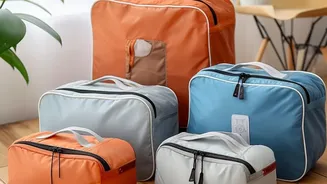
Compression bags are often compared to packing cubes, but they serve different primary functions. Packing cubes are primarily for organization, helping you compartmentalize your luggage. While some offer a modest amount of compression via a secondary zipper, they don't remove air and can't match the volume reduction of a true vacuum bag. The choice depends on your priority: if you need maximum space-saving for bulky items, vacuum bags are superior. If your main goal is keeping your suitcase tidy and your clothes neatly folded with minimal wrinkles, packing cubes are the better option. Many savvy travelers use a combination of both, using compression bags for big items and packing cubes for everything else.