







Your New AI Travel Assistant
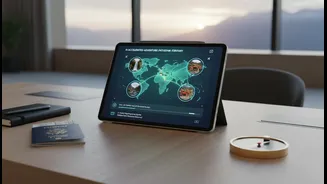
The appeal of using AI for travel planning is undeniable. Tools like ChatGPT, Gemini, and a host of dedicated travel apps can process incredible amounts of information in an instant. Ask for a seven-day, budget-friendly cultural tour of Vietnam, and you’ll
get a structured, day-by-day plan before you can find your passport. These systems excel at the heavy lifting: comparing flight prices, finding hotels within a specific budget, and logically sequencing attractions to minimize travel time. For many travellers, AI has become the go-to starting point for trip ideation and research, compressing hours of work into a few minutes. It's a powerful tool for building the basic scaffolding of a trip, fast.
The Limits of the Algorithm
However, relying solely on an AI itinerary can lead to real-world problems. These systems are powerful, but they are not perfect. A significant issue is the risk of outdated or simply incorrect information, sometimes called "hallucinations." An AI might confidently recommend a restaurant that closed two years ago or invent a non-existent tourist attraction. Studies have found that a high percentage of AI-generated itineraries contain at least one factual error. Furthermore, algorithms struggle with nuance. They don't understand the vibe of a neighbourhood, the importance of a local festival that might disrupt traffic, or why a certain walk is beautiful at sunset but sketchy after dark. They operate on data, not lived experience, which can result in generic, repetitive, and soulless travel plans.
Enter the Local Expert
This is where the irreplaceable value of human knowledge becomes clear. A local guide or a well-connected travel advisor operates on a different level. They offer what AI cannot: genuine empathy, curation, and exclusive access. They understand the unstated needs behind a trip—the desire for a quiet anniversary dinner, the need to find a playground for restless children, or the dream of seeing something truly unique, not just the top-ten list from a review site. A local knows the story behind a landmark, the best stall in the market, and the shortcut to avoid the crowds. This human element provides a layer of trust, accountability, and problem-solving that an algorithm can't replicate, especially when things go wrong.
The Best of Both Worlds
The smartest travellers in 2026 are realizing this isn't an either/or debate. The future of travel planning is hybrid. It's about using AI as a powerful co-pilot, not as the sole captain of your journey. You can let an AI handle the tedious, data-heavy tasks: finding flight deals, creating a rough outline, and managing logistics. Use it for the initial research and to build a basic framework for your trip. Then, turn to human expertise for the elements that create true magic. Consult a travel advisor for complex itineraries or once-in-a-lifetime trips. Once you're on the ground, hire local guides, take walking tours, and ask the person at your hotel cafe for their favourite restaurant. Use technology for efficiency, but rely on people for soul.