






The Pre-Pack Huddle
The most crucial part of group packing happens before a single item goes into a bag. To avoid four sets of everything, you need a strategy. Start a shared document or group chat specifically for packing. The goal is to create a master list of shared items
and assign one person to bring each. Think about things like portable speakers, phone chargers, snacks, and even certain toiletries like shampoo or sunscreen. This prevents ridiculous duplications where you end up with three hairdryers and no bottle opener. One person can be in charge of car snacks, another on shared tech, and so on. This simple coordination is the single most effective way to cut down on collective bulk and ensures you have everything you need, and only one of each.
Ditch the Hard Shell
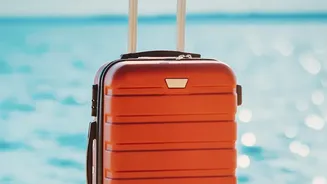
Hard-shell suitcases are fantastic for protecting your belongings in the belly of an airplane, but they are the enemy of a tightly packed car boot. Their rigid structure creates awkward, unusable gaps. Instead, insist that everyone uses soft luggage like duffel bags, holdalls, or even sturdy backpacks. These flexible bags can be squeezed into corners and moulded around each other, allowing you to play a much more successful game of boot Tetris. The ability to compress and conform to the available space is a massive advantage and key to making everything fit.
Embrace the Power of the Cube
Packing cubes are non-negotiable for efficient travel. These small, zippered fabric containers help you categorise and compress your clothing, turning a chaotic pile of garments into neat, stackable bricks. You can dedicate cubes to different items: one for tops, one for bottoms, one for underwear and socks. This not only saves an incredible amount of space but also keeps you organised. When you arrive, you won't have to explode your entire bag to find one clean shirt. For even more space-saving, consider compression packing cubes, which have an extra zipper to squeeze out excess air.
The 4-3-2-1 Clothing Rule
A long weekend doesn't require your entire wardrobe. Encourage everyone to adopt a minimalist mindset with a simple formula like the 4-3-2-1 rule for a three-night trip. This typically means packing no more than four tops, three bottoms (including what you wear on the travel day), two pairs of shoes, and one outer layer like a jacket or sweater. The key is choosing versatile, neutral pieces that can be mixed and matched. If everyone agrees to a coordinated colour palette (think neutrals with one or two common accent colours), it makes sharing photos look great without any extra effort.
Wear Your Heaviest Items
This is one of the oldest tricks in the book for a reason. That bulky jumper, your favourite pair of boots, or your sturdiest jacket should be worn on travel day, not packed in the boot. These items take up a disproportionate amount of luggage space. By wearing them, you free up significant room for other essentials. It might feel a little cumbersome getting into the car, but once you're on the road, you can always shed layers. The space you save makes this minor inconvenience completely worthwhile.
Create a 'Go Bag'
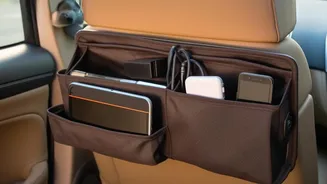
Don't bury the things you'll need during the drive. Designate one tote or backpack as the in-car 'go bag' that stays in the passenger area, not the boot. This bag should contain everything you'll need to access easily: phone chargers, a portable power bank, wet wipes, hand sanitiser, snacks, pain relievers, and a reusable water bottle. This prevents the dreaded roadside rummage where you have to unpack half the boot just to find a charging cable. Keeping essentials handy makes the journey itself smoother and more enjoyable for everyone.