






The Right Rainwear is Non-Negotiable
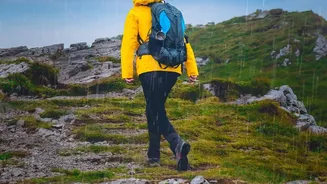
While an umbrella is a classic choice, it can be ineffective against the strong winds and heavy downpours common during the monsoon, especially in hilly regions. A lightweight, foldable raincoat or a hooded poncho is a far better investment. These keep
you dry during unexpected showers and, crucially, keep your hands free to manage luggage or navigate tricky paths. Look for breathable, waterproof material that can be packed away into a small pouch, ensuring you're always prepared without sacrificing luggage space.
Waterproof Bags and Protective Covers
One of the biggest anxieties of monsoon travel is keeping your valuables dry. Your electronics, documents, and even cash are vulnerable to water damage. A simple and effective solution is to pack a set of waterproof zip-lock bags or dedicated dry bags. Use them to compartmentalise everything from your phone and passport to your medications. For your main luggage, a rain cover for your backpack is essential. If you're using a suitcase, lining it with a heavy-duty plastic bag can provide an extra layer of defence against moisture seeping in during transit.
Rethink Your Clothing Choices
Cotton and denim are poor choices for monsoon travel. They absorb moisture, become heavy, and can take hours, if not days, to dry in the high humidity. Instead, pack clothes made from synthetic, quick-drying fabrics like polyester or nylon blends. These materials are lightweight and will be ready to wear again soon after a wash or a sudden soaking. It’s also wise to choose darker coloured clothing, as it can help conceal splashes from muddy puddles. Packing a few extra pairs of moisture-wicking underwear and socks is also a small but significant comfort.
Choose Footwear That Can Handle Water
Your shoes can make or break a monsoon trip. Leather will be ruined, and canvas sneakers become waterlogged and uncomfortable. The best options are rubber sandals, waterproof floaters, or any footwear with a good grip designed to handle wet and slippery surfaces. These shoes not only protect you from slips and falls but also dry quickly. Having an extra pair of socks on hand ensures you can always have dry, comfortable feet, which is crucial for preventing skin issues.
Pack a Power Bank and a Torch
Travel delays often mean long waits at airports or train stations, where charging points can be scarce. A fully charged power bank is a lifeline, ensuring your phone stays powered up for communication and entertainment. Furthermore, heavy rains can sometimes lead to power cuts, especially in more remote areas. A small, reliable flashlight or even your phone's torch can be incredibly useful in such situations.
A First-Aid Kit and Insect Repellent
The monsoon season sees a rise in water-borne diseases and mosquito breeding. Your travel first-aid kit should be tailored accordingly. Include basic supplies like bandages and antiseptic cream, but also add medications for common ailments like an upset stomach or flu. Rehydration salts (ORS) are also a good idea to combat dehydration from humidity. Most importantly, a strong insect repellent is a must-have to protect yourself from mosquito bites.
Prepare for In-Transit Boredom
With a higher likelihood of flight and train delays, it’s wise to plan for downtime. Before you leave home, download movies, podcasts, or a few new playlists onto your devices. If you prefer to unplug, a good book can be the perfect companion for a long wait. Carrying some dry snacks like nuts or protein bars can also be a lifesaver when meal times are delayed due to travel disruptions.