




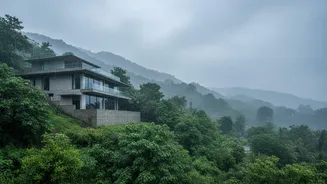
Why Slopes Become Danger Zones
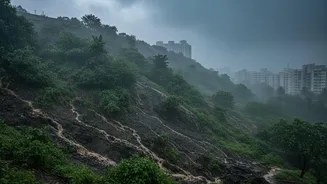
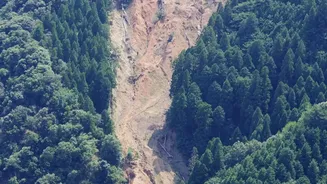
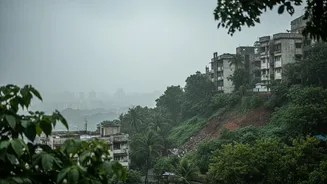
During the monsoon, relentless rainfall saturates the soil on Mumbai's hillsides. This process, known as soil liquefaction, dramatically weakens the ground. The soil loses its strength and cohesion, turning into a dense, fluid-like mass. Unchecked construction,
deforestation, and the natural steepness of the terrain further destabilize these slopes. When the soil can no longer hold, it gives way, resulting in a landslide or debris flow that can move downhill at high speeds, carrying rocks, trees, and anything else in its path with destructive force. Recent tragedies, like the landslide in Ghatkopar in August 2026 that claimed several lives, are grim reminders of this annual danger.
Identifying High-Risk Areas
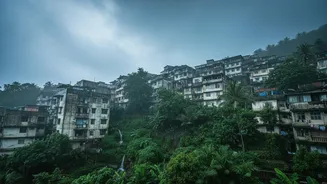
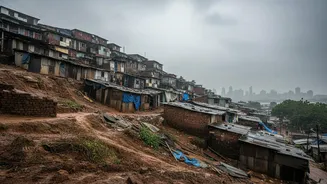
The Brihanmumbai Municipal Corporation (BMC) and the Geological Survey of India (GSI) have identified numerous landslide-prone locations across the city, with a significant concentration in the eastern suburbs. According to official data, there are over 250 such spots, with more than 70 classified as highly vulnerable. Areas with a history of incidents and dense, informal settlements are of particular concern. Key high-risk zones include Ghatkopar, Kurla, Bhandup, Vikhroli, Chembur, and Malad. More than one lakh people are estimated to live in these precarious locations, often in structurally weak houses at the base or on the edge of these slopes.
Warning Signs You Can't Ignore
Residents in vulnerable areas must remain vigilant for signs of impending landslips. These indicators can provide crucial seconds or minutes to evacuate. Watch for new cracks appearing in plaster, tile, brick, or foundations. Doors and windows that stick or jam for the first time can be a sign of ground shifting. Outside, look for tilting trees, utility poles, or retaining walls. Other red flags include the appearance of bulging ground at the base of a slope and any sudden changes in water flow, such as springs or seeps appearing in new locations, or clear water suddenly turning muddy. Unusual sounds, like the faint rumbling of moving debris or the cracking of trees, also signal immediate danger.
What Residents Should Do
Preparedness is key to safety. Before the monsoon intensifies, residents in at-risk zones should have an emergency kit ready. It is crucial to follow all instructions from local authorities, including evacuation orders. The BMC often issues notices ahead of the monsoon, urging people in the most dangerous spots to move to temporary shelters. If you are indoors during a landslide warning or event, move to the highest level of the building and stay away from windows and exterior walls. If caught outdoors, do not try to outrun the flow. Instead, move to higher ground as quickly as possible, away from the direct path of the slide. Never stay in low-lying areas or river valleys during periods of heavy rain.
What Are the Authorities Doing?
Civic bodies like the BMC undertake several pre-monsoon measures. This includes identifying and categorizing vulnerable spots, issuing notices to residents, and setting up temporary shelters in municipal schools. The National Disaster Response Force (NDRF) deploys teams to high-risk areas like Ghatkopar and Chembur. In some locations, authorities work on building retaining walls and installing safety nets to prevent rocks and soil from falling. However, administrative hurdles involving multiple agencies and challenges in relocating thousands of families often slow down long-term solutions. Following recent incidents, there are renewed calls for comprehensive safety audits and a faster pace for implementing protective measures.