




Understanding Market Volatility
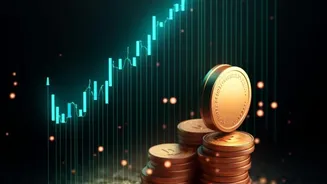
First, let's talk about the beast that is market volatility. In simple terms, volatility is the measure of how quickly and significantly market prices change. High volatility means sharp, unpredictable price movements, which can feel unsettling for any
investor. These swings are a natural part of investing, driven by everything from economic news and geopolitical events to investor sentiment. The fear it creates is powerful; watching your portfolio's value drop can trigger an emotional response to sell, often at the worst possible time. However, patient investors understand that these temporary declines are normal and that markets tend to recover over time.
The Quiet Magic of Compounding
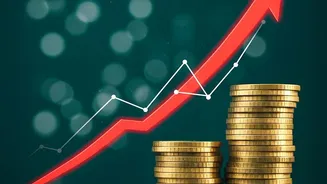
Now, let's meet the hero of our story: compounding. Often called the 'eighth wonder of the world', compounding is the process where your investment returns begin to generate their own returns. It's a snowball effect: the money you earn from your initial investment is reinvested, and then that larger sum starts earning returns. For example, the returns you earn in the first year get added to your principal. In the second year, you earn returns on this new, larger amount. This process allows your wealth to grow at an accelerating rate, but its true power is only unlocked with its most crucial ingredient: time.
Time: The Ultimate Differentiator
Time is the secret sauce that makes compounding so effective. The longer your money remains invested, the more time it has to grow and generate its own earnings. Short-term market dips, which feel so significant in the moment, appear as minor blips on a multi-decade investment chart. An investor who starts early, even with small amounts, can often end up with a larger corpus than someone who starts later with bigger contributions, simply because their money had more time to compound. This is the core principle behind the popular investment saying: it's about 'time in the market', not 'timing the market'.
How Patience Bridges the Gap
So, how does this all come together? Patience is the bridge that connects the power of compounding to navigating volatility. Impatient investors react to market noise, selling in a panic during downturns and disrupting the compounding process. Patient investors, however, stick to their long-term strategy. They understand that staying invested, even during turbulent periods, is essential. A disciplined approach, such as continuing with a Systematic Investment Plan (SIP) during a market crash, allows you to buy more units when prices are low, which can lower your average cost and enhance returns when the market recovers. This disciplined consistency is what allows compounding to work its magic, smoothing out the bumps of short-term volatility over the long haul.
Focus on the Horizon, Not the Waves
For a long-term investor, daily market news is mostly noise. While volatility creates unsettling waves, compounding is the powerful, underlying tide that carries your wealth forward. History has shown that despite significant crises, markets have a tendency to recover and resume their long-term growth trend. By staying invested, you position yourself to capture this growth. Panicking and pulling out your funds means you not only lock in your losses but also risk missing the market's best recovery days, which can severely hamper your long-term returns. The key is to maintain emotional discipline and trust in your long-term plan.