

The Unquestioned Reign of Iced Coffee
Iced coffee’s popularity in India is booming, evolving from a summer treat to a year-round staple, especially among Gen Z and millennial consumers. Major brands like Nestlé and Tata Starbucks are investing heavily in the cold coffee segment, which has
seen double-digit growth. This is driven by a broader cultural shift where cafes have become essential 'third places' for work and socialising. The drink’s appeal is simple: it’s a refreshing, customisable, and reliable source of a caffeine kick. Its dominance is built on familiarity and the powerful ritual of the daily coffee run.
Enter Matcha: The Mindful Energiser
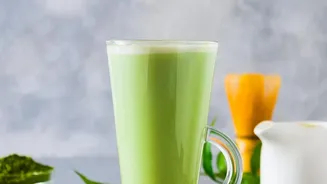
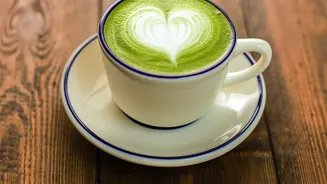
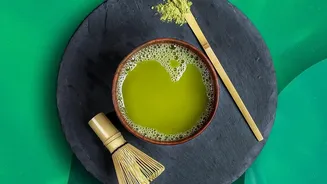
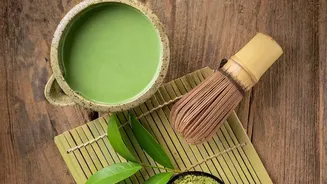
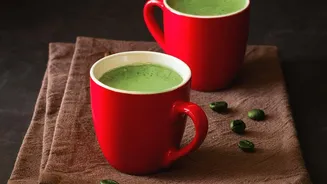
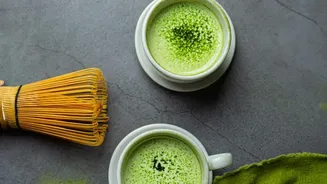
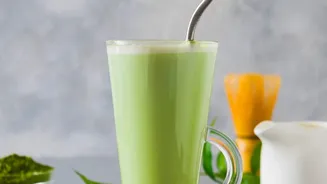
Walk into a speciality coffee shop in Mumbai or Bangalore, and you’ll find matcha lattes are now a core menu item. This finely ground Japanese green tea powder offers a unique proposition: a gentle, sustained energy boost without the jitters often associated with coffee. The secret is L-theanine, an amino acid present in matcha that promotes a state of calm alertness. This combination of caffeine and L-theanine provides a focused energy that can last for hours, making it a popular choice for those seeking productivity without the crash. Its vibrant green colour and ties to wellness and mindfulness have also made it an Instagram favourite, fuelling its rapid growth in urban India.
Meet Moringa: The Caffeine-Free Powerhouse
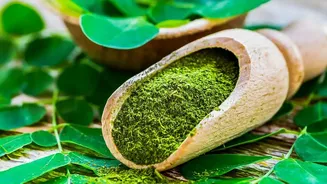
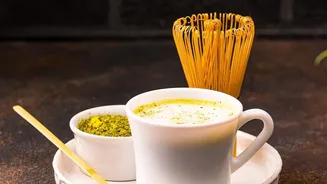
Often called the 'Indian matcha', moringa comes from the Moringa oleifera, or drumstick tree, which is native to the subcontinent. Unlike matcha, moringa is naturally caffeine-free, positioning it as a pure wellness beverage rather than an energy booster. Long used in Ayurvedic traditions, its leaves are a nutritional powerhouse, packed with vitamins, iron, calcium, and all nine essential amino acids. As consumers increasingly look for functional beverages that support overall health, moringa lattes and smoothies are appearing on cafe menus, appealing to those who want a nutrient-rich drink without any stimulants.
A Tale of Three Brews
The choice between iced coffee, matcha, and moringa often comes down to the desired effect. Iced coffee delivers a quick, potent jolt of energy. Matcha offers a smoother, more focused 'calm-alert' state thanks to its blend of caffeine and L-theanine. Moringa, being caffeine-free, provides nutritional benefits without impacting energy levels. From a health perspective, both matcha and moringa are celebrated for their high antioxidant content, with matcha's EGCG catechins and moringa's flavonoids offering protection against cellular stress. Coffee has its own benefits, rich in chlorogenic acids linked to reduced risk of several diseases. Ultimately, the flavour profiles are distinct: coffee’s familiar bitterness, matcha’s earthy, umami notes, and moringa’s slightly grassy taste.
A Real Challenge or Just More Choice?
While the rise of these green brews is significant, it doesn't spell the end for iced coffee. The Indian iced coffee market is projected to continue its strong growth. Rather than a replacement, matcha and moringa are expanding the cafe menu and catering to a growing consumer segment prioritising health and wellness. The India matcha market is growing at a remarkable rate, nearly double that of the broader tea market, driven by young, urban consumers. Cafe owners see these drinks as a way to attract non-coffee drinkers and offer premium, high-margin products. The trend reflects a diversification of taste and a desire for beverages that do more than just caffeinate—they must also align with a lifestyle.