




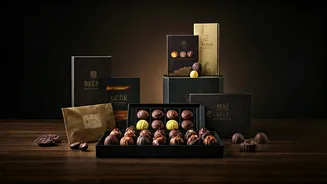


Beyond the Grand-Place
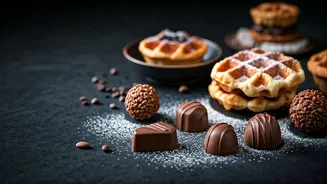
For decades, the idea of Belgian sweets has been synonymous with the bustling shops clustered around city squares, their windows piled high with familiar pralines and sugar-dusted waffles. While those classics remain, a different kind of dessert destination
is emerging in quieter streets and chic neighbourhoods across Brussels, Antwerp, and Ghent. These are not just shops; they are galleries of edible art. Here, the focus shifts from mass appeal to meticulous craftsmanship, architectural design, and a deeper story behind every creation. This new guard is moving beyond tradition, offering a curated experience that appeals to a more discerning global palate. They are asking visitors to think of chocolate and pastry not just as a souvenir, but as a cultural journey.
The New Philosophy of Chocolate
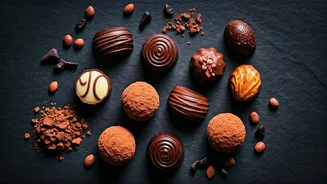
At the forefront of this movement is the 'bean-to-bar' philosophy, which has taken firm root in Belgium. Artisans are no longer content to work with pre-made industrial chocolate. Instead, they are sourcing their own cacao beans from single estates in places like Mexico, Peru, and Vietnam, controlling every step of the process from roasting to grinding. A leading figure is Pierre Marcolini, whose sleek boutiques feel more like luxury jewellery stores. His approach treats cacao with the reverence of a fine wine, with each bar and praline telling the story of its specific origin. Similarly, Dominique Persoone of The Chocolate Line has become famous for his avant-garde, rock-and-roll approach, creating pralines with unconventional ingredients like wasabi or bacon, pushing the boundaries of what chocolate can be. These chocolatiers are educators as much as they are craftsmen, inviting customers to understand the nuances of terroir and technique.
Pastry as Minimalist Art
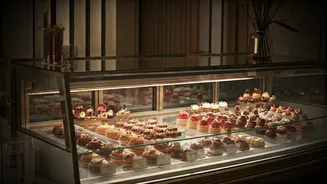
This elevation of dessert is not limited to chocolate. In cities like Ghent, patissiers such as Joost Arijs are gaining acclaim for their minimalist and technically perfect creations. A former pastry chef at a three-Michelin-star restaurant, Arijs applies a 'no-nonsense' philosophy, stripping away fussy decorations to focus on pure flavours, refined textures, and seasonal ingredients. His shops, and others like them, often feature stark, modern architecture with chrome and walnut finishes, where the brightly coloured, jewel-like pastries are displayed like art objects. The experience is a far cry from a traditional bakery. It’s a quiet, contemplative space where customers can admire the craftsmanship before making a selection, often enjoying it in an attached tasting room with a specially paired coffee or dessert wine.
An Immersive, Sensory Experience
What truly defines this 'classier' trend is the emphasis on the overall experience. It's about more than just taste. The new Belgian dessert shop is a destination for all the senses. Architects are employed to create striking, memorable spaces, from the historic grandeur of The Chocolate Line's location in a former palace in Antwerp to the brutalist-inspired, sleek interiors of newer bakeries. The service is knowledgeable and personal, with staff who can explain the origin of a particular cacao bean or the inspiration behind a seasonal tart. Some chocolatiers, like Persoone, have even established their own cacao plantations, creating a direct, sustainable, and transparent line from the farm to the consumer. This commitment to storytelling and ethical sourcing adds another layer of value, transforming the simple act of buying a dessert into a meaningful and engaging interaction.